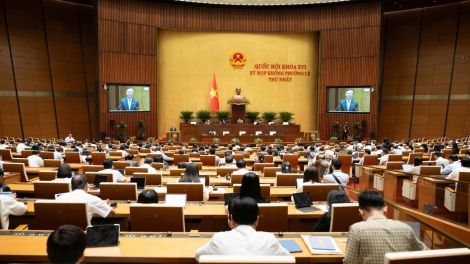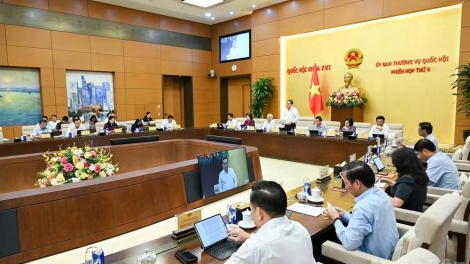




They agreed that by establishing a stable, transparent legal framework, the law seeks to resolve long-standing, fundamental shortcomings in land management and use, unleash resources for growth, and harmonize the interests of the State, the public, and businesses.
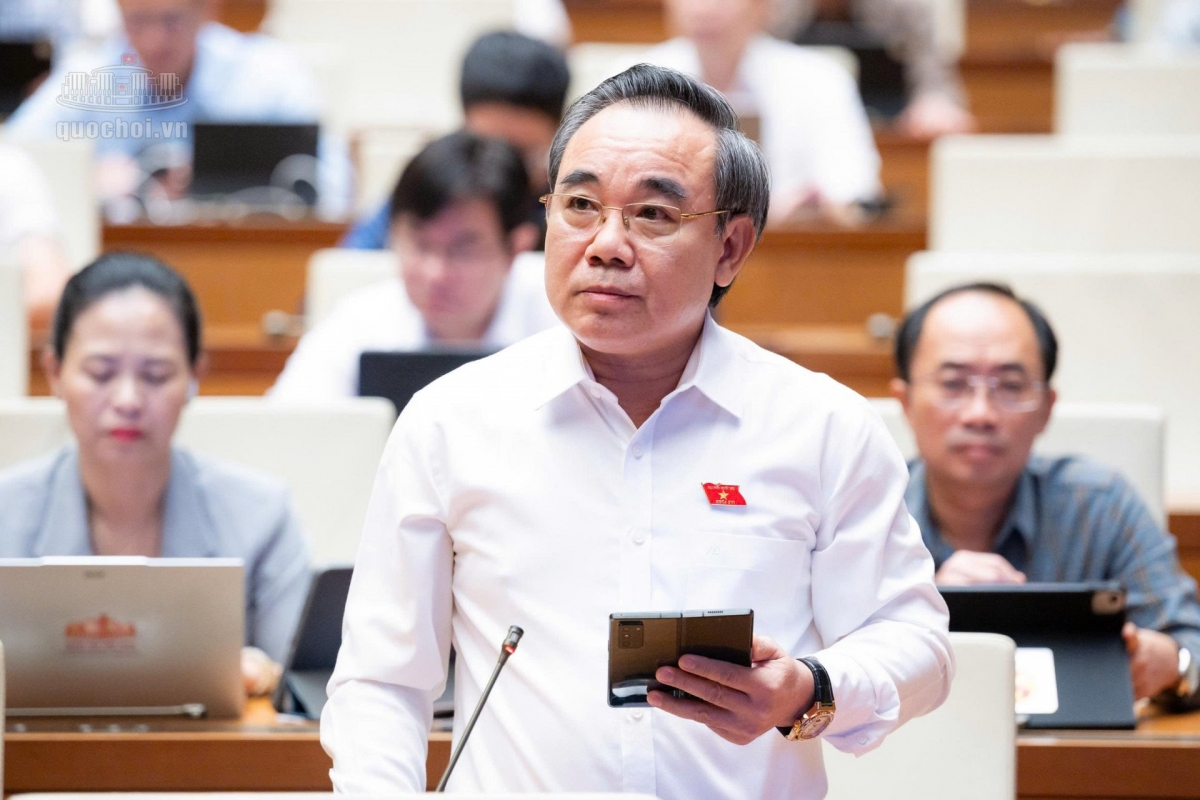
Le Huu Tri, a deputy of Khanh Hoa province, proposed that “We shift from an administrative management mindset to a governance and development-enabling mindset, accelerate administrative reform, digitize land data, make information public, and improve accountability. The Land Law must enforce State discipline, unblock development resources, and protect the legitimate rights and interests of citizens—without becoming a barrier to growth or shifting compliance costs onto citizens and businesses."

NA deputies said that compensation and resettlement when the State reclaims land is an issue that directly impacts the lives of millions of people and is a primary cause of complaints and lawsuits.
Deputy Nguyen Ngoc Son, representing Hai Phong’s National Assembly delegation, said he agreed with the policy of shifting from a mindset of compensating people for the value of reclaimed land to ensuring the stability and future development of their lives after the land is reclaimed.
“Compensation, support, and resettlement plans must include livelihood recovery, replacement housing, and access to essential services, and assign responsibility for monitoring and evaluating people’s living standard post-resettlement. I support a policy in which the State establishes land pricing principles, and localities set land price lists and price adjustment coefficients based on criteria set by the central level. This is a crucial change that can shorten land pricing processes, reduce compliance costs, and accelerate project execution," said Son.
To speed up development projects in the interest of national defense or in the public interest, lawmakers agreed to expand the land recovery mechanism.