



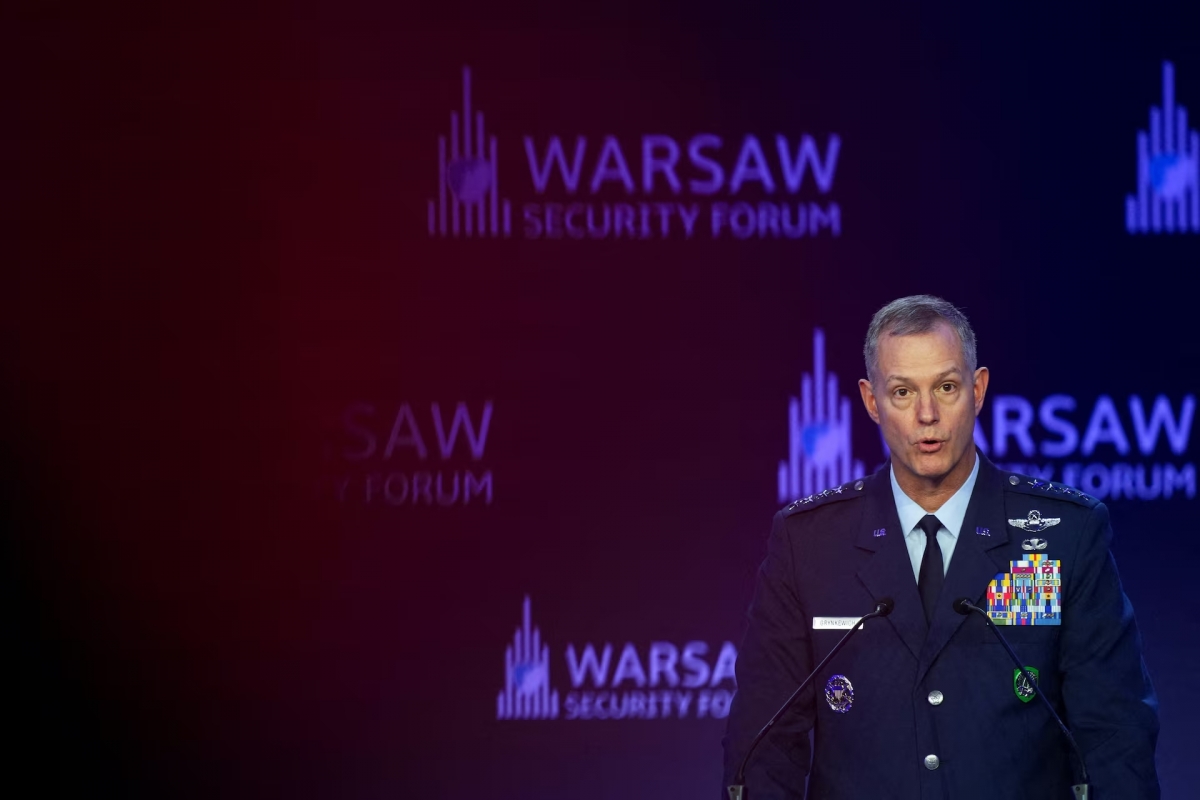
Speaking at the Warsaw Security Forum in Poland, Grynkewich described three stages: halting an initial offensive, weakening enemy combat capabilities, and disrupting command and logistics systems.
In the first stage, ground forces would stop an advance and prevent an adversary from capturing territory. The second would use sensor networks and autonomous systems to contain and weaken enemy forces if fighting continued. The final stage would target critical military infrastructure, including command centers and supply lines, to undermine the adversary’s ability to sustain operations. The strategy combines conventional forces with drones, counter-drone systems, and artificial intelligence, drawing on lessons from the conflict in Ukraine.
Security analysts say NATO is strengthening deterrence by seeking to stop an adversary from achieving its objectives at the outset, while reassuring member states amid growing security concerns. Its effectiveness, however, will depend on military readiness, coordination among allies, and the resources member states commit to defense.
Anh Tuyen/VOV Paris