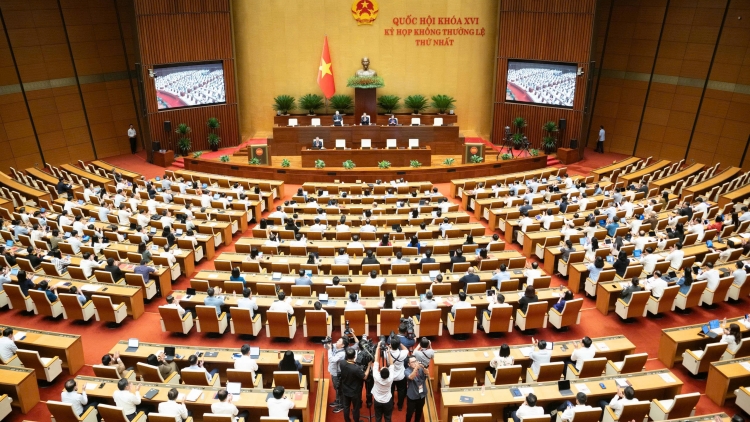




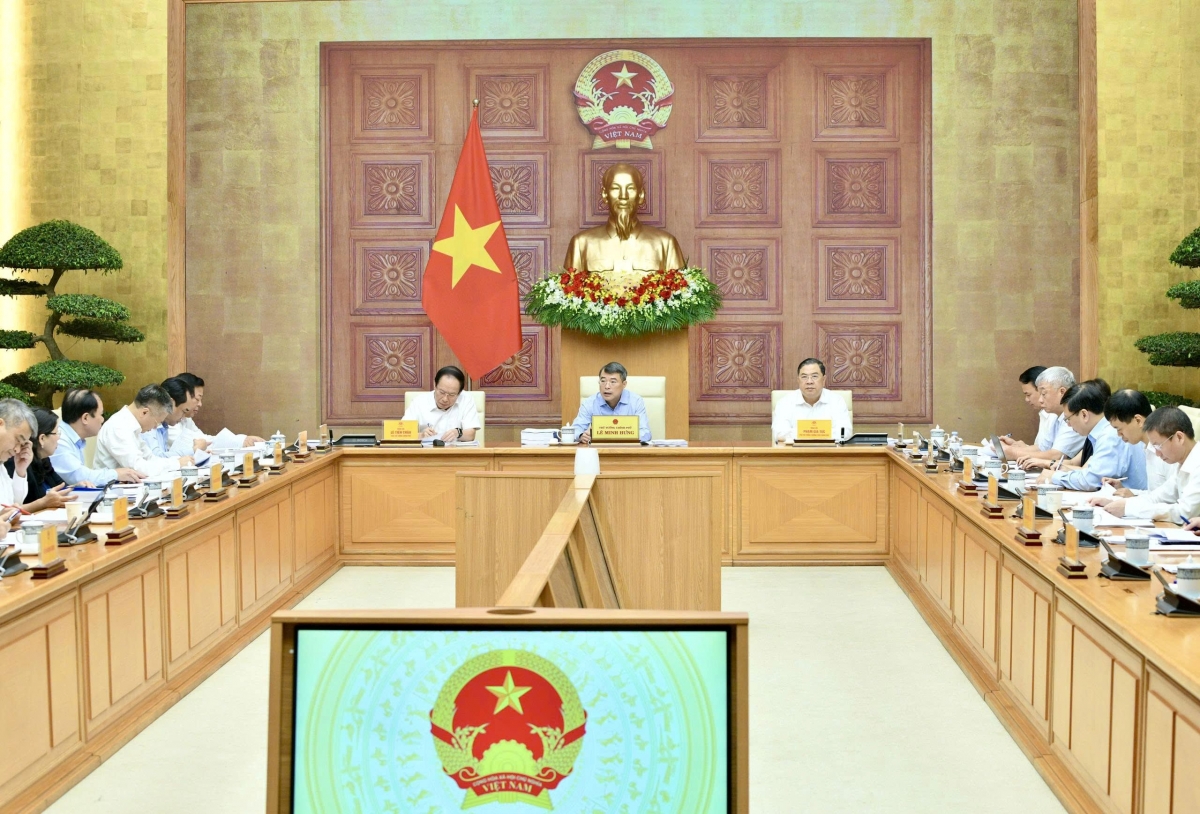
At the meeting, Prime Minister Hung emphasized that these three draft laws are closely interconnected and play a crucial role in unlocking resources and meeting future growth requirements. Their provisions have significant impacts on citizens, organizations, investors, the economy, security, and national defense, he added and highlighted special attention being paid during the finalization of the draft revised Law on Land.
"The principle of non-privatization of land and prohibiting the transfer of land use rights to foreigners in any form must be ensured. The regulations must be detailed to govern land allocation and leasing—whether through auctions and competitive bidding or otherwise—as well as mechanisms for direct agreements between investors and other parties. The State's role in regulating, controlling, and determining land prices must be clearly defined," PM Hung added.
"Shift the mindset from merely 'compensating for recovered assets' to 'rebuilding livelihoods' for citizens when the State acquires land. Policies must be formulated to effectively utilize land adjacent to planned infrastructure projects. Prioritize the development of apartment complexes and strictly limit the subdivision of land for individual sale in urban areas, particularly in major cities."
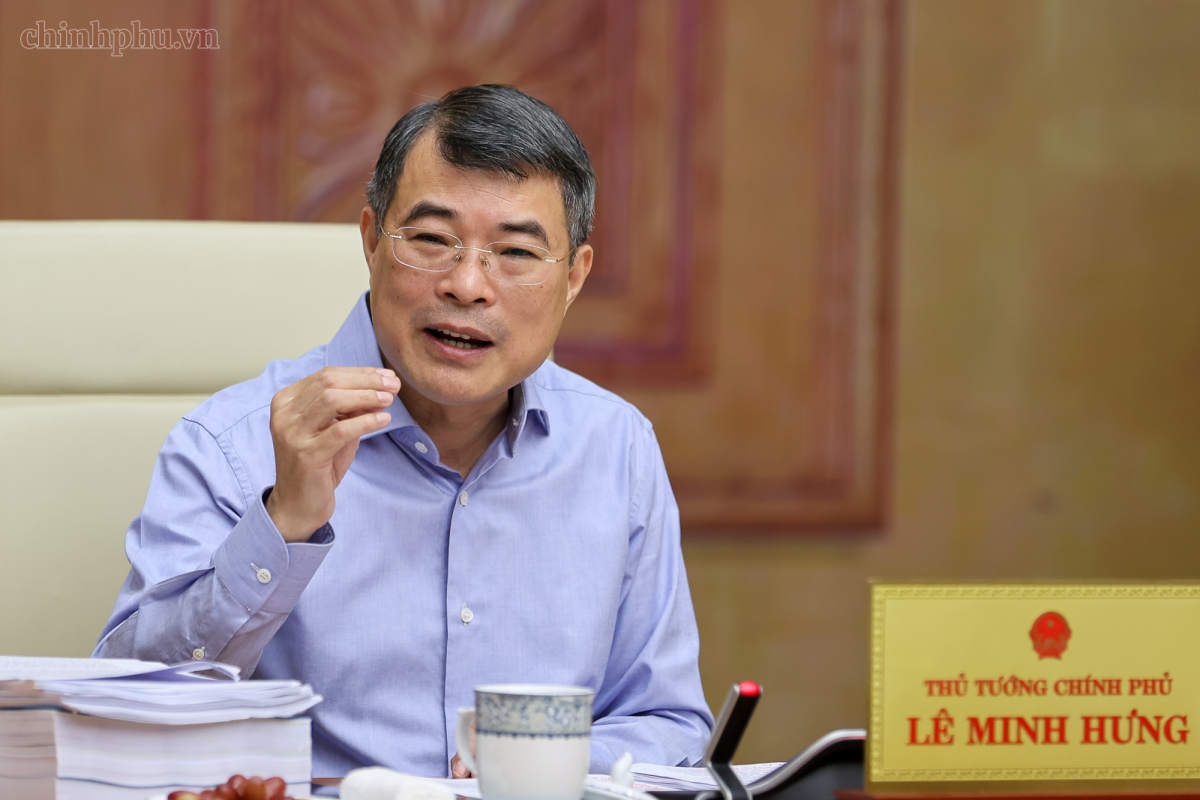
Regarding the amendments to the Law on Housing and the Law on Real Estate Business, the Prime Minister proposed regulations to diversify types of rental housing.
“Developing rental housing is a priority and must therefore be institutionalized. Rental housing encompasses state-owned units available for lease. Financial mechanisms must be established to foster the rental housing market while ensuring housing prices remain under control—addressing aspects such as taxes, fees, land-use payment structures, and land-related credit. The Government will issue guidelines to vigorously develop the rental housing market, guided by the principle that ‘the State bears the responsibility of providing housing for the people,’” Mr. Hung said.
Prime Minister Hung emphasized that the ministries responsible for drafting legislation must study and incorporate feedback, while providing full and convincing explanations, to ensure that the bills, once enacted, are truly effective in practice.