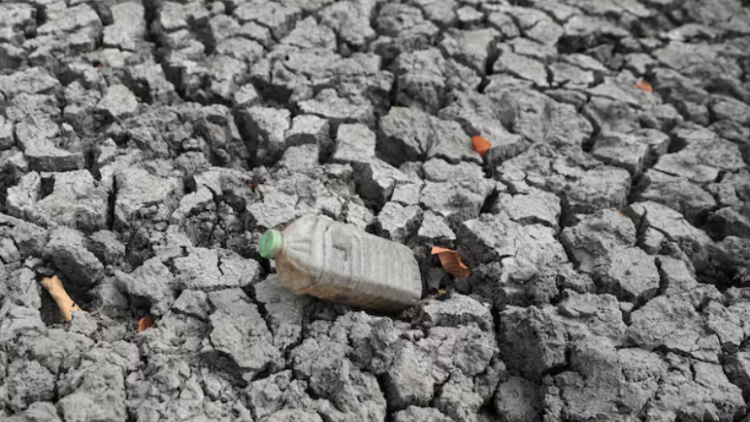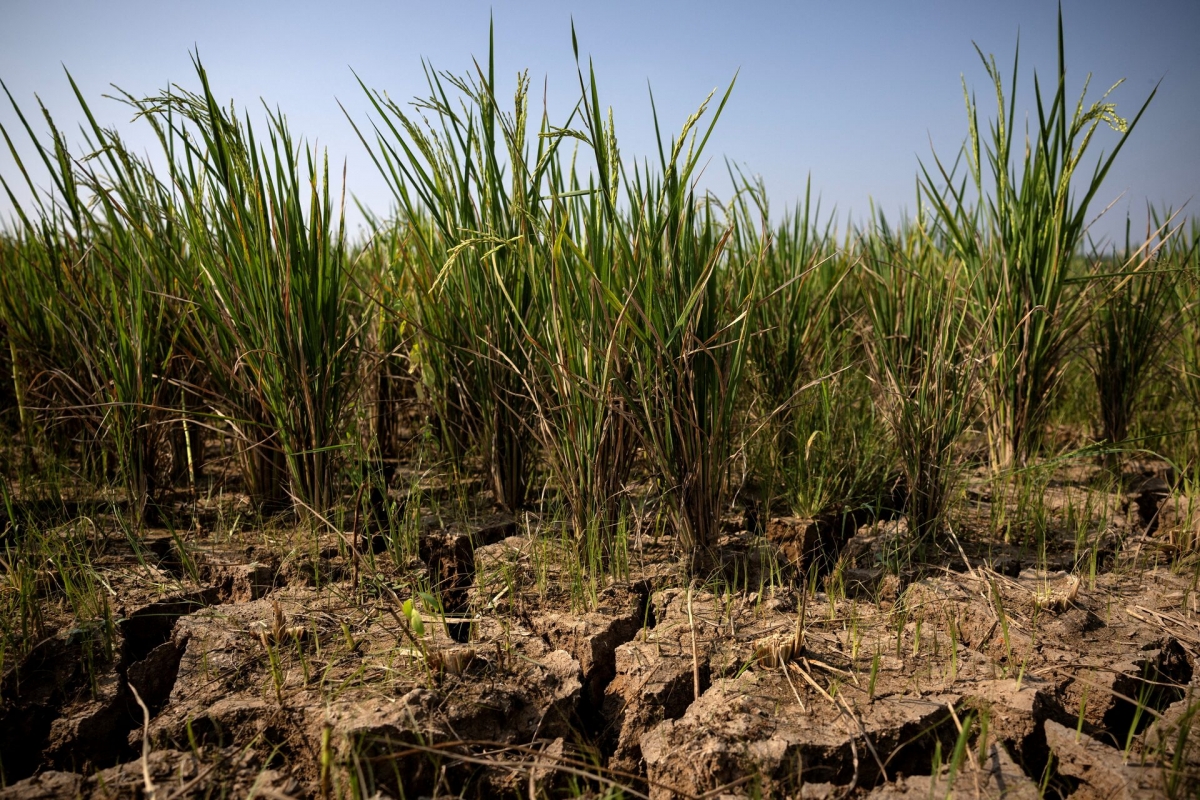
According to the US National Oceanic and Atmospheric Administration (NOAA), there is currently more than a 90% chance that El Nino will reach very strong levels during the autumn and winter of 2026-2027. Forecasts also show a 69% chance that the phenomenon between October and December this year will be stronger than any El Nino recorded since 1950.
El Nino occurs when sea-surface temperatures in the central and eastern tropical Pacific rise unusually high, triggering global changes in winds, atmospheric pressure, and rainfall. Experts warn that the stronger the El Nino, the greater the risk of its typical weather impacts, although the effects will vary by region.
If El Nino develops as forecast, it could add about 0.3 degrees Celsius to global temperatures in 2027 compared with the long-term warming trend. Some estimates suggest global average temperatures could reach about 1.76 degrees Celsius above pre-industrial levels, potentially making 2027 the hottest year on record.
The effects are already becoming apparent in Central America. The Panama Canal is expected to reduce the number of ships allowed to transit from September due to lower-than-expected rainfall and declining water levels in the canal basin.