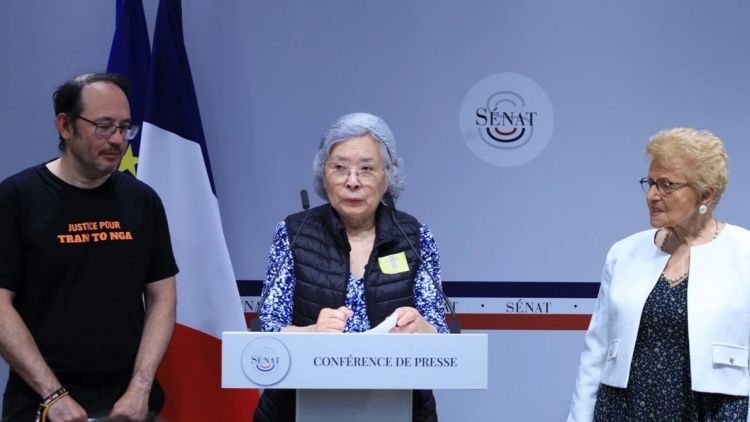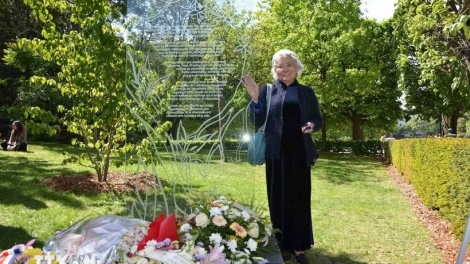
The Plenary Assembly, the court’s highest judicial formation, is convened only for cases involving fundamental legal principles or those requiring a uniform interpretation of the law. The decision followed a hearing on June 16 to consider Ms. Nga’s appeal.
The Evry Court in 2021 and the Paris Court of Appeal in 2024 dismissed the lawsuit, ruling that the defendant companies were entitled to jurisdictional immunity because they had acted under orders from the US government during the Vietnam War.
At the June hearing, the Prosecutor's Office at the Court of Cassation recommended overturning the Paris Court of Appeal’s ruling, paving the way for the court to examine the merits of Ms. Tran To Nga’s claims. The prosecutor argued that the companies were not acting on behalf of the US State, but rather as commercial contractors serving the interests of the contracting party, and therefore should not automatically benefit from jurisdictional immunity.
Bertrand Repolt, one of Ms. Nga’s two lawyers, said the referral demonstrates that the Court of Cassation considers the case to involve a question of fundamental legal principle, particularly in jurisdictional immunity. But he noted that referring the case to the Plenary Assembly is likely to extend the legal proceedings by another 6 to 12 months.