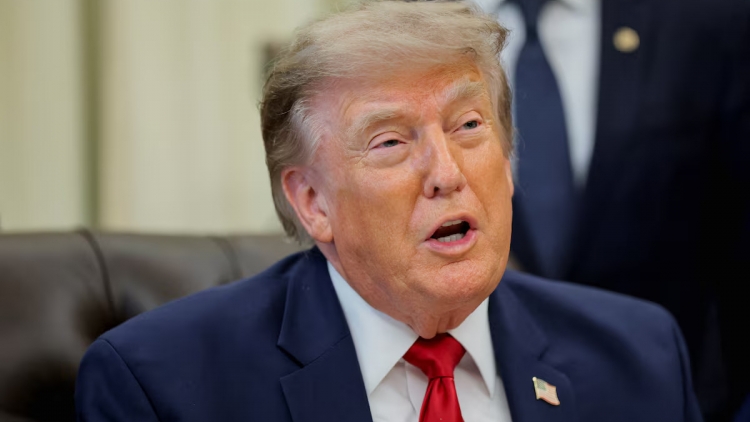



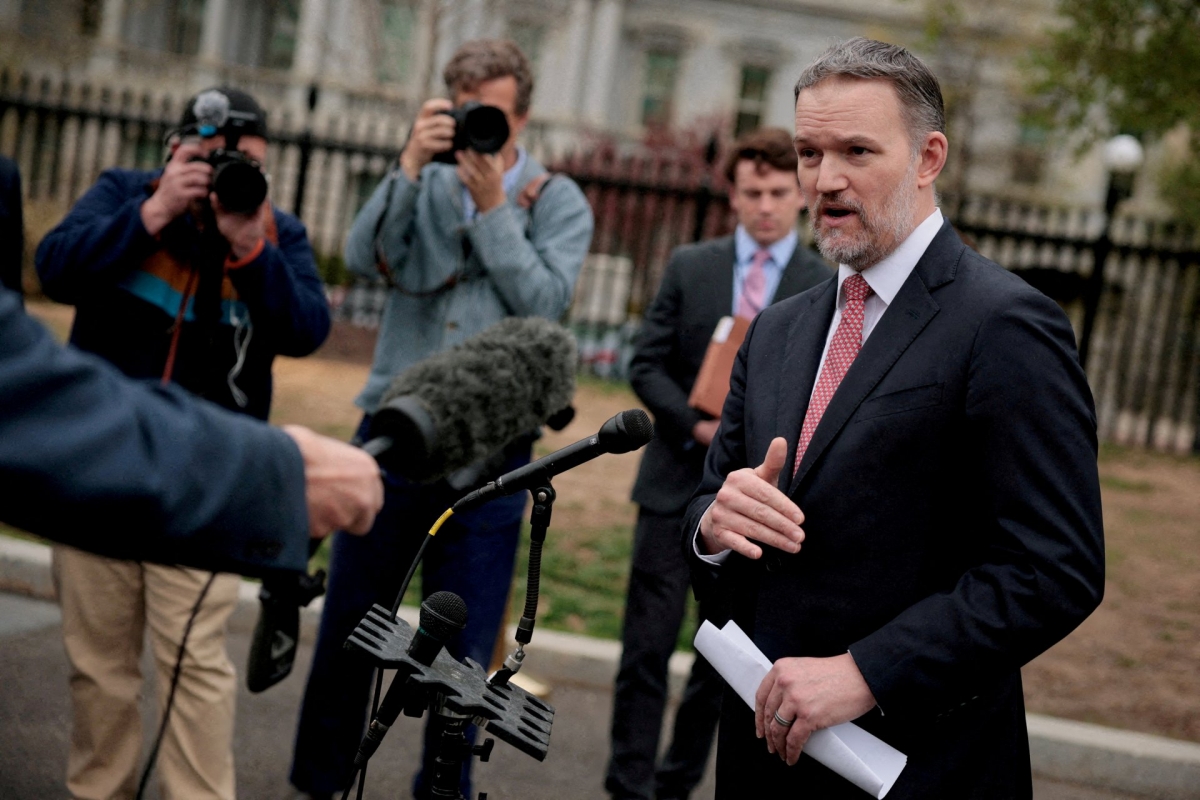
The new tariff will target some 60 countries that do not comply with the US forced labor law. “The US has laws to prohibit trading goods with forced labor. Other countries, most don’t have a law. Those that do don’t really enforce it," Greer said.
He did not say when the new tariff would take effect, adding that he has to "brief Congress and other stakeholders” before he really reveals that kind of thing. Analysts expect that the new tariffs over forced labor concerns would range between 10% and 12.5%, replacing the current 10% duties, unless extended by Congress.
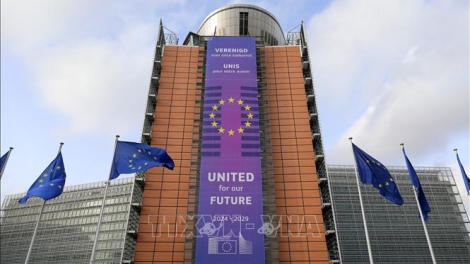
Last month, Greer's office proposed imposing tariffs of up to 12.5% under Section 301 of the Trade Act of 1974 over alleged forced labor issues. The tariffs would cover about 99% of US trade, he added. Experts warned that the move may further tensions with US trading partners like the EU, China, Taiwan (China), and Japan.
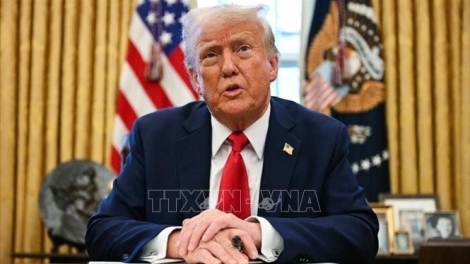
Also on Tuesday, US President Donald Trump signed orders to impose a 50% tariff on many Canadian goods under Section 338 of the Tariff Act of 1930, citing “discriminatory treatment” by Ottawa against US alcohol, automobile and dairy products. The retaliatory measure targets wine, beer, hockey sticks, cement, and many other Canadian exports.
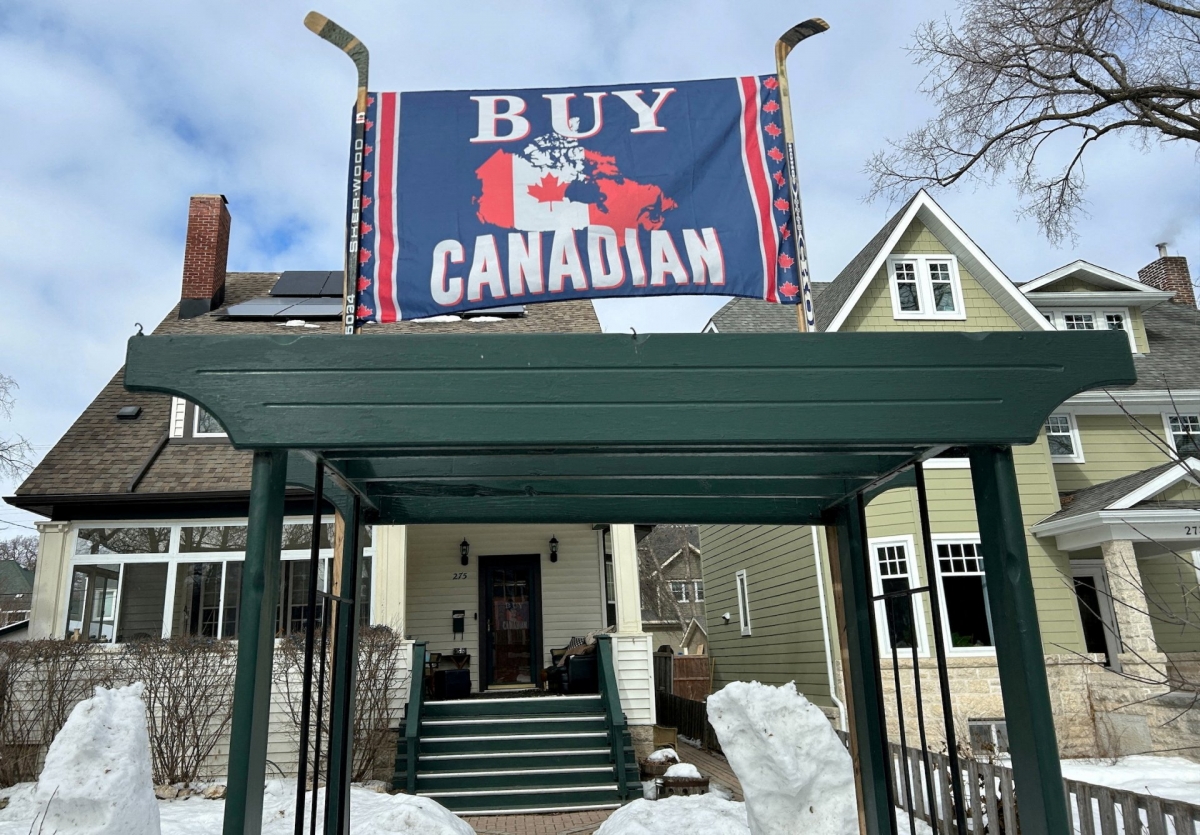
In response to Washington's decision, Canadian Prime Minister Mark Carney said: "We will look at all options in terms of how we would respond if they do come into effect. Also, in parallel, I'd spoken with the president. We agreed to intensify discussions. We'll begin that right away. This is part of the negotiation. So the first objective is to get a comprehensive agreement that benefits, obviously, both countries. That's consistent with CUSMA (Canada-United States-Mexico Agreement), and we'll work towards that. We will we will do whatever it takes and keep all options. Obviously, it's comprehensive.
Previously, the Trump Administration announced 25% tariffs on a range of Brazilian goods.