



Secretary of Energy Chris Wright argued that the decision to ease sanctions is neither a concession nor economic support for Moscow, but rather a measure intended to encourage Russia toward a peace agreement.
“This is a carrot to try to end a war. It's not an economic lifeline for Russia," Wright said Sunday on ABC News’ "This Week."
“The only way Russia gets benefit from this move means they have to export diesel, which means they have to either consume less diesel internally, reduce the war effort, or have an ability to repair their refineries, which they only can get to through a peace agreement with Ukraine, an energy ceasefire, or a step towards peace,” Wright said.
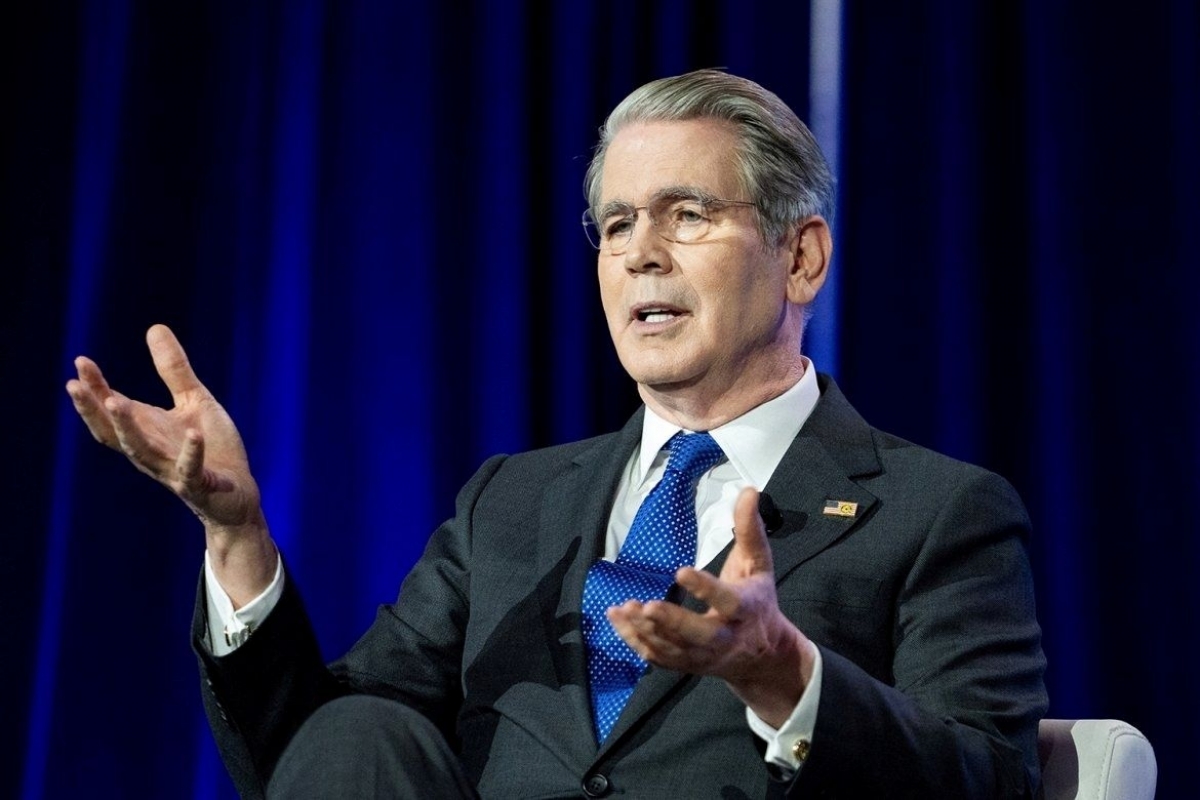
In an interview on NBC News’ “Meet the Press”, Secretary of the Treasury Scott Bessent said Washington is not lifting existing sanctions on Russia, including those targeting major energy corporations Rosneft and Lukoil.
“No sanctions were lifted on Friday,” Bessent said, adding the administration had been given a 60-day period to examine the situation. “The only thing that has been lifted is the diesel embargo,” he insisted that the US had not rolled back its existing sanctions.
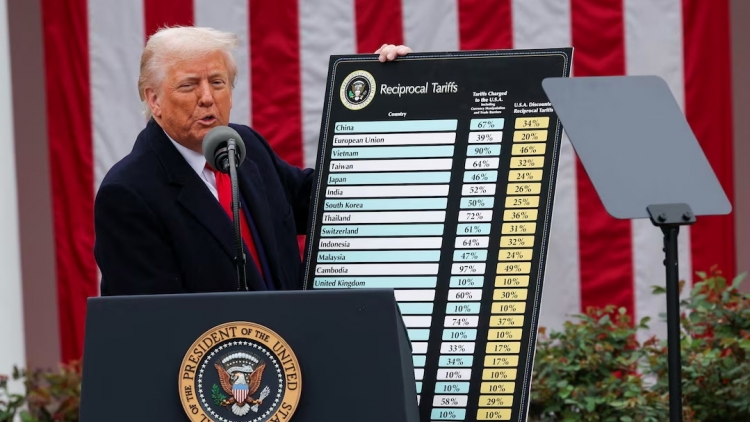
President Trump on Friday signed an executive order, which temporarily waives new sanctions and tariffs on Russia, coinciding with Washington’s announcement of an agreement to import millions of tons of diesel from Russia.
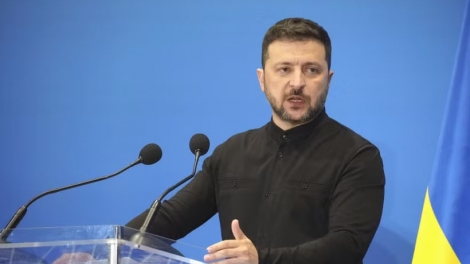
However, the move has drawn opposition from lawmakers of both parties in the US Congress, as well as from the Ukrainian government. President Volodymyr Zelensky said that easing these sanctions primarily benefits Russia and risks undermining the economic pressure exerted on Moscow.