


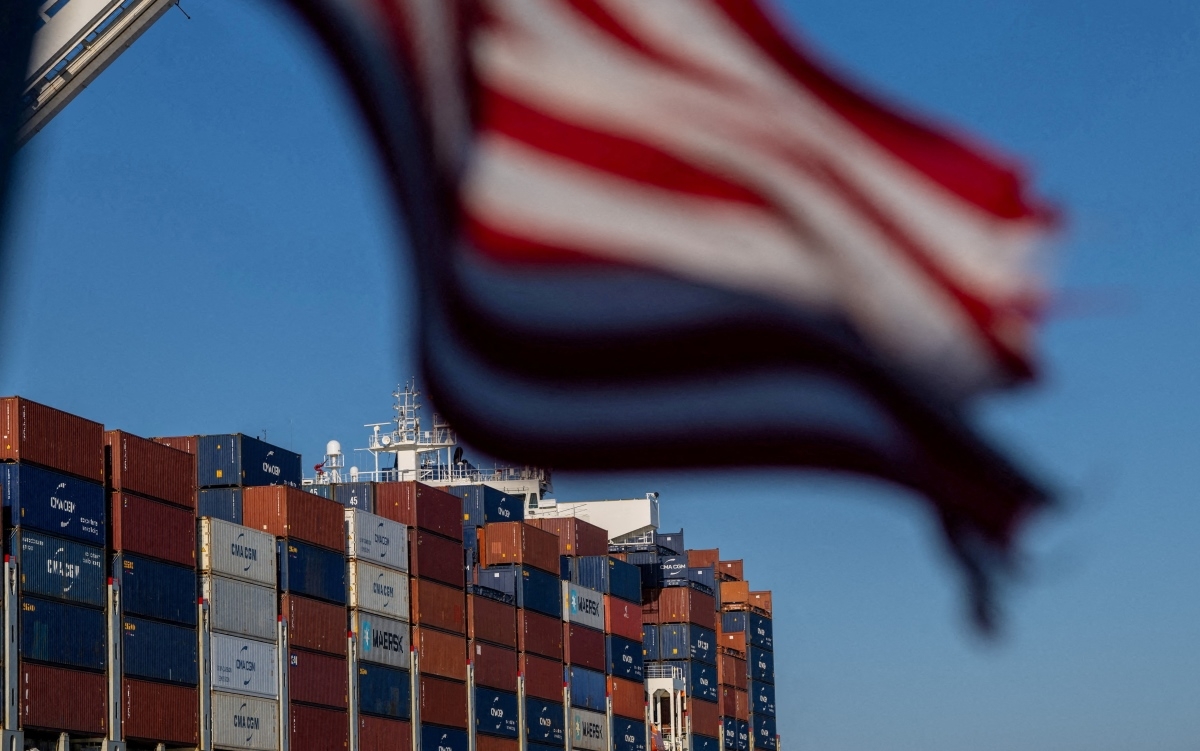
Under the new tariffs, 17 trading partners—including Canada, the European Union, Indonesia, the UK, Mexico, and 12 other economies that have adopted or committed to bans on forced-labor imports in coordination with the US—will face a 10% tariff.
43 countries and territories—including China, Japan, South Korea, and Australia—will be subject to a 12.5% tariff.
The tariffs were announced on Thursday, just hours before Trump’s temporary global 10% tariff expired at 12:01 a.m. EDT on Friday. The new duties took effect immediately at that time, but goods already in transit are exempt until 12:01 a.m. EDT on July 28.
Administration officials said the tariffs promote global labor rights and create a fairer competitive environment for American workers and businesses.
Unlike previous tariffs imposed under the International Emergency Economic Powers Act (IEEPA), the new tariffs are based on Section 301 of the Trade Act of 1974, following the US Supreme Court's decision earlier this year to strike down the administration's use of the IEEPA as the legal basis for broad tariff actions.
Goods that comply with the US-Mexico-Canada Agreement (USMCA) will remain exempt. The administration has also expanded the exemption list to include products that cannot be produced domestically, such as cork and certain precious gemstones.
The Office of the United States Trade Representative is conducting several Section 301 investigations, including a probe into manufacturing overcapacity in 16 trading partners, which could lead to additional tariffs. Washington is also examining Germany's pharmaceutical pricing policies and has indicated it may broaden the investigation to other countries if ongoing negotiations fail to produce satisfactory outcomes.