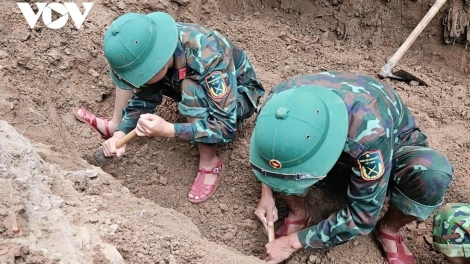





Lieutenant General Tran Minh Duc, head of the General Department of Logistics-Technical Services, made the remarks at a working session with the Military Medical Department. He called for the immediate repair, upgrading, and installation of facilities to receive, preserve and store samples of fallen soldiers’ remains for DNA testing, along with infrastructure improvements to optimize testing processes and capacity.
The campaign was previously launched by Deputy Prime Minister Pham Thi Thanh Tra, who heads the National Steering Committee for the search, collection and identification of martyrs’ remains. This is the first time that work has been organized as a nationwide campaign, with defined targets, clear timelines, and coordinated participation by the military, local authorities, scientists, and martyrs’ relatives.
“The search, collection, and identification of martyrs’ remains reflects the moral precept of ‘drinking water, remember the source’. It’s a sacred political responsibility of the Party, the State, and the people of Vietnam, and a way to honor those who laid down their lives for the country,” said Deputy Prime Minister Tra.
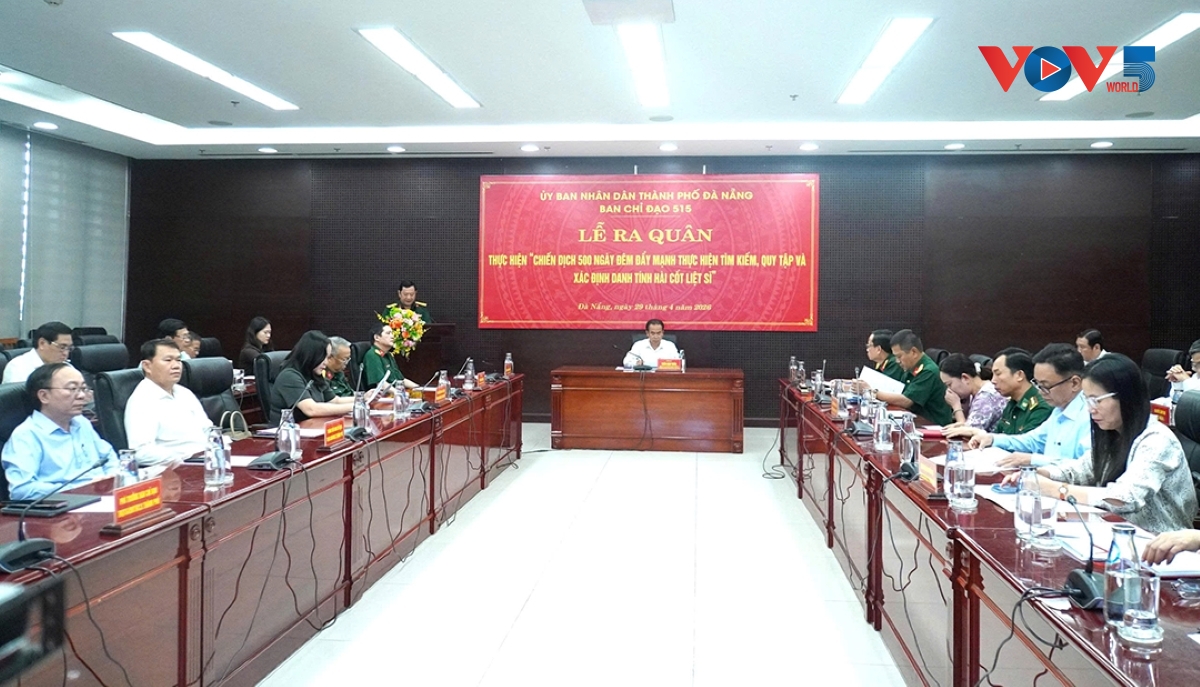
The campaign underscores the determination of the entire political system. Colonel Le Hong Viet, Political Commissar of the Quang Tri provincial Military Command and deputy head of the province’s Steering Committee 515, said: “Quang Tri is determined to meet the target of locating 240 martyrs within 500 days and nights. For DNA testing, we’re applying science and technology with detailed plans at each stage, to return the martyrs to their homeland and comrades as quickly as possible.”
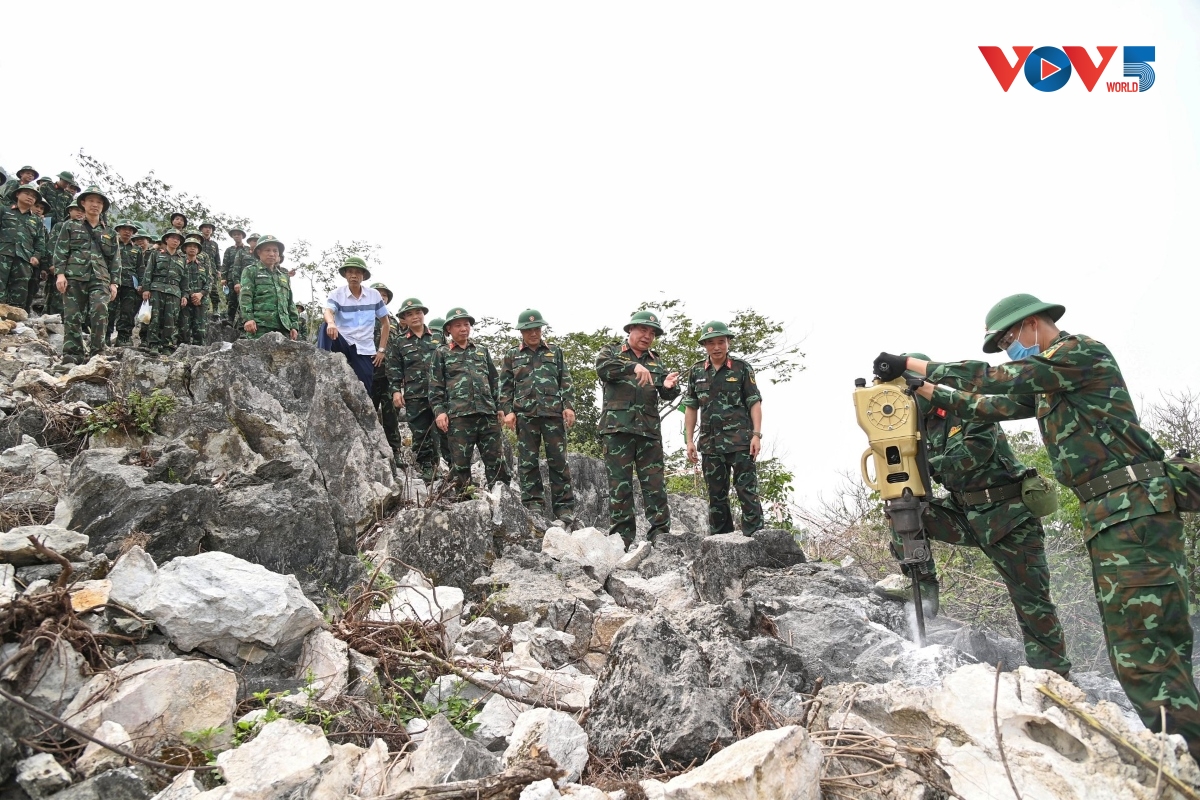
The campaign aims to locate and recover 7,000 remains, in Vietnam or abroad, analyse 18,000 DNA samples, and build a genetic database of martyrs’ relatives. It includes efforts to clear areas contaminated with bombs, mines, and other unexploded ordnance left over from the war.