







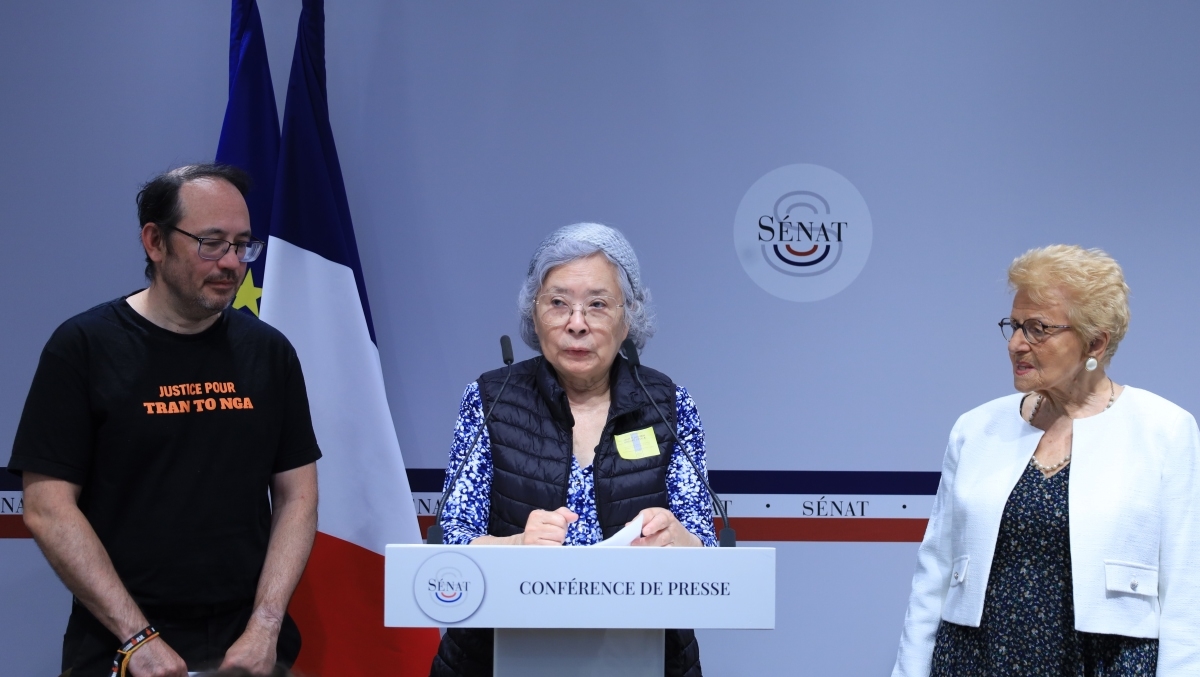
Nga, herself a victim of the chemical, has become a powerful symbol of the long struggle to support Agent Orange/dioxin victims in post-war Vietnam. Whatever the court’s final decision, whether she wins or loses, Nga’s fight for justice will continue.
In 2026, the image of a Vietnamese woman with silver hair sitting quietly as a French court delivered its ruling in an Agent Orange case touched audiences around the world. That woman was Tran To Nga, a former war correspondent who was exposed to Agent Orange/dioxin sprayed by the US military during the war in Vietnam.
Instead of silently bearing the pain caused by that exposure, Nga chose to stand up. She called for international support and filed a lawsuit in her own name against 14 multinational chemical corporations that produced and supplied Agent Orange/dioxin for the US military.
“Even though there are no sounds of bombs and gunfire in Vietnam anymore, the consequences of war are still clearly present in the bodies and the difficult lives of Agent Orange victims. And yet these victims have an incredibly strong will to live. If we join hands to help them and create better conditions for their lives, they can live happily and support themselves through their own work, even without arms or legs. My ultimate goal is to help the world understand the Agent Orange tragedy and the crime of chemical warfare. As long as the courts remain open to us, I will continue,” said Nga.
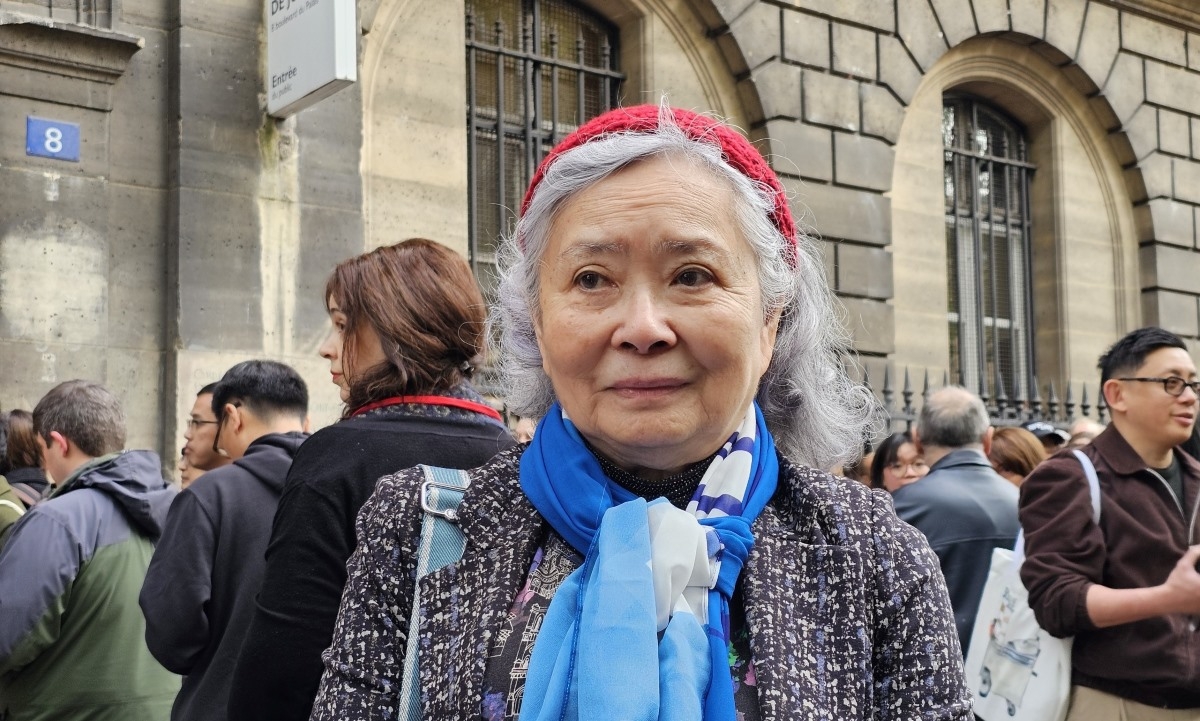
Determined to seek justice for millions of Agent Orange victims, Nga has spent years filing appeals and attending dozens of procedural hearings.
In 2021, France’s Evry Court ruled that it did not have jurisdiction over her case. In 2024, the Paris Court of Appeal upheld that position, arguing that the chemical companies had acted at the request of the US government and were therefore entitled to jurisdictional immunity. But Nga refused to give up.
On July 8, the French Court of Cassation decided to refer her case to its Full Court, the highest judicial formation of the court.
“Now, the case is no longer simply a lawsuit, it has become a matter of legal principle. The Court of Cassation could not make a final ruling because the issue involves principles with international implications, so it has to be referred to the Full Court. It is very rare in French law for a case to be referred to the highest Full Court in this way,” said Nga.
“If we win, my case will have to go back to the Court of Appeal. Then, for the first time, the French courts will examine the substance of my lawsuit. If we lose, I accept that the process may take many more years, and we will take the case to the European Court of Human Rights. But if we win, Vietnam will have made a contribution to the world by helping to change international law, so that corporations responsible for crimes can be held accountable,” she said.
Nga’s struggle has received support from millions of Agent Orange victims, organizations in Vietnam, and people around the world.
Her case has reached a critical turning point, although a final ruling is not expected for another 6 to 12 months. In the meantime, she will continue to speak out on behalf of Agent Orange victims, drawing attention to the lasting suffering caused by chemical warfare and seeking financial support to sustain her long legal battle.
Over the past 17 years, Nga has given a voice to Agent Orange victims and brought greater attention to the wounds they bear. But, as she says, they are not people who simply accept their fate or surrender to despair. They continue to fight for justice, recognition, and the right to be heard.
“Please don’t view this as my personal struggle. View it as a fight for justice for Agent Orange victims, not only in Vietnam, but around the world. That’s my first wish. My second wish is to find more support for Agent Orange victims. If this struggle can improve their lives, then I’ll consider it a victory. When I first began, I was alone, and not many people knew what Agent Orange was. Now, when people hear the words ‘Agent Orange,’ they understand what it means. That, too, is a victory,” said Nga.
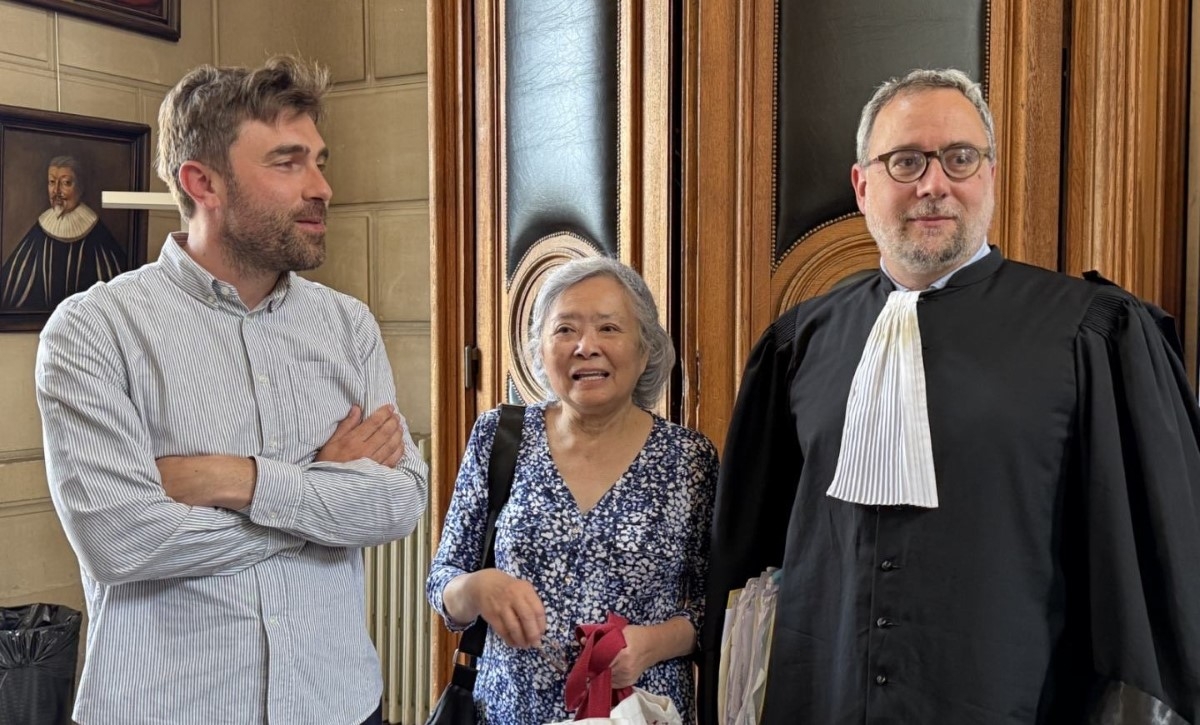
With patience, courage, hope, and unshakable determination, Tran To Nga has never wavered in her fight for justice, despite the many obstacles she has faced. Now 84 and in increasingly fragile health, her greatest wish is to receive a favorable ruling.
Her life and extraordinary journey carry a powerful message: the peace and better life we enjoy today were made possible by the sacrifices of those who came before us. It’s a reminder to cherish what we have, to show compassion to those facing hardship and, above all, to continue supporting Agent Orange/dioxin victims in their struggle for a better life.
- Tran To Nga, born in 1942, was a reporter for the Liberation News Agency on the southern battlefield. During her time as a war correspondent, she was exposed to Agent Orange/dioxin sprayed by the US military.
- Her first child died at the age of 17 months, and her second child developed a blood disorder. In 1993, Nga moved to France and became a French citizen while retaining her Vietnamese nationality.
- In May 2009, she testified at the International People's Tribunal in Support of Vietnamese Victims of Agent Orange/Dioxin in Paris.
- In 2014, she filed a lawsuit against 14 US chemical companies at the Evry Court near Paris, where she lived. The lawsuit initially named 26 companies, but 12 have since ceased operations.
- On May 10, 2021, the Evry Court ruled that it lacked jurisdiction to hear the case, arguing that the companies had acted at the request of the US government and were therefore entitled to jurisdictional immunity.
- On June 16, 2026, the French Court of Cassation held a hearing to examine the role of the US chemical firms in the production of Agent Orange/dioxin.
- On July 8, 2026, the French Court of Cassation decided to refer Nga’s case against the US chemical corporations to its Full Court. The move, involving the court’s highest judicial formation, marked a new step forward and renewed hope in her long journey to seek justice.


