







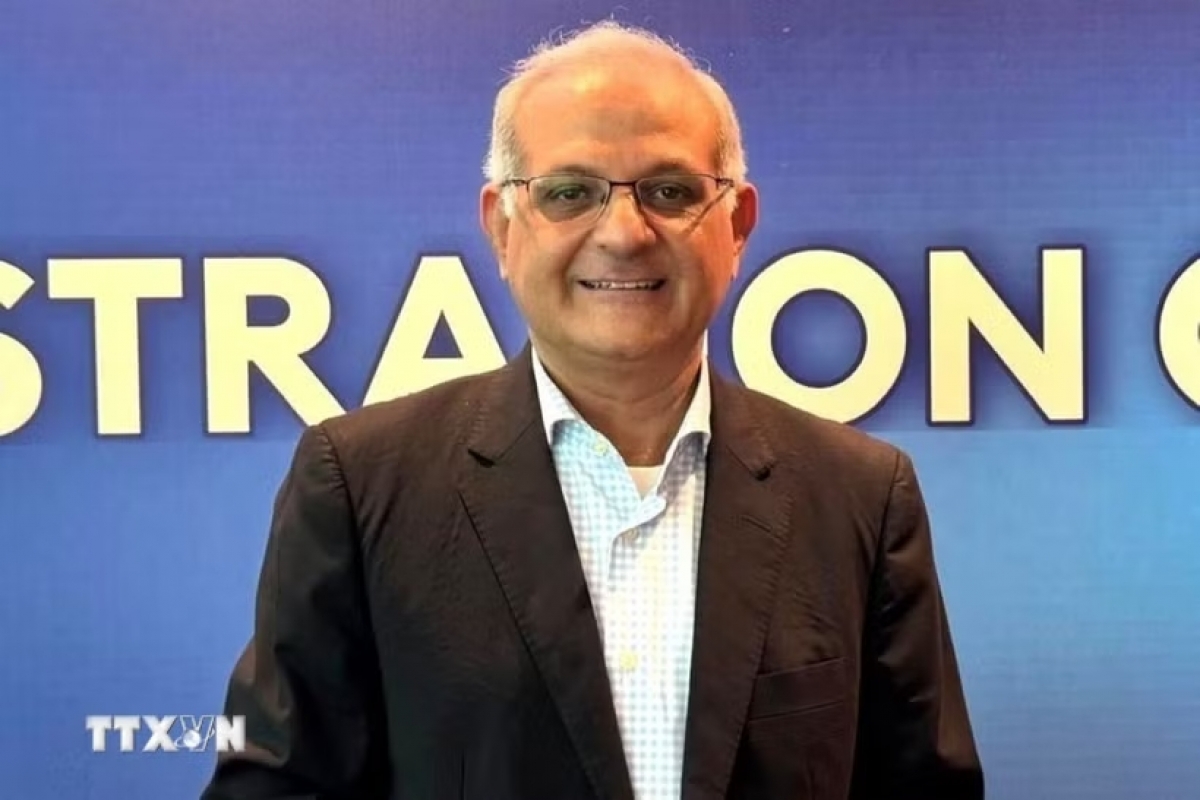
Vietnam has emerged as one of the powerhouses given its size, industrial foundations, demographic structures, and expanding consumer markets, said Shan Saeed, Chief Global Economist at the Malaysia-based real estate technology group IQI Juwai.
Vietnam’s economy grew 8.39% year-on-year and 8.18% in the first half of 2026, whereas the other four economies recorded growth rates below 5.8%, according to Shan Saeed. The message is clear that Vietnam is entering the second half of the year with exceptional growth momentum.
The quality of this growth is significant, he pointed out. The manufacturing sector—the backbone of Vietnam’s export structure—grew 10.23% in the first half of 2026, while industrial production rose 10.8%.
Goods exports reached 266.5 billion USD, and realized foreign direct investment (FDI) climbed to 13 billion USD. No longer merely a story of low-cost manufacturing, Vietnam is moving deeper into electronics, machinery, high-tech production, and higher-value supply chains, said Shan Saeed.
Additionally, tourism is emerging as another structural driver. International visitors totaled 12.3 million in the first half of 2026—a 14.9% increase year-on-year—boosting the services, aviation, hospitality, and domestic consumption sectors.
Human capital is equally important. In the first half of this year, over 29% of Vietnamese workers held degrees or certifications, reflecting the ongoing trend of a rising workforce quality. Per capita GDP jumped from 4,700 USD in 2024 to 5,026 USD in 2025, expanding Vietnam's middle-income consumer class.
According to Chief Economist Shan Saeed, among the top five performing nations of ASEAN, Vietnam stands out for its manufacturing momentum, human resources, and income convergence. Vietnam is not merely participating in ASEAN’s next growth cycle but is actively helping to shape it, he added.


