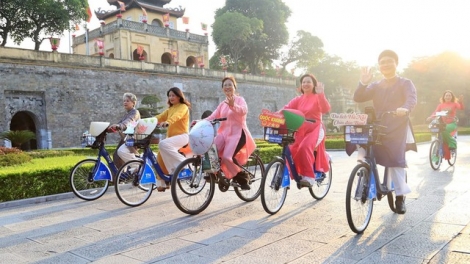




Amid the rapid pace of modern life, Hanoi reveals itself through its relics, monuments, familiar streets, and lesser-known stories. The “Hanoi New Experiences” project was launched with the aim of presenting a multi-dimensional and vivid picture of the capital and connecting its past with the present.
Vu An Giang, head of the project, recalled, “We came up with the idea of creating an information channel on cultural knowledge, which also serves as a platform for organizing walking tours to connect locations and cultural stories with visitors. Through these programs, we hope participants can gain a direct and concrete understanding of Hanoi’s cultural heritage and landmarks through the stories and knowledge shared during each tour.”
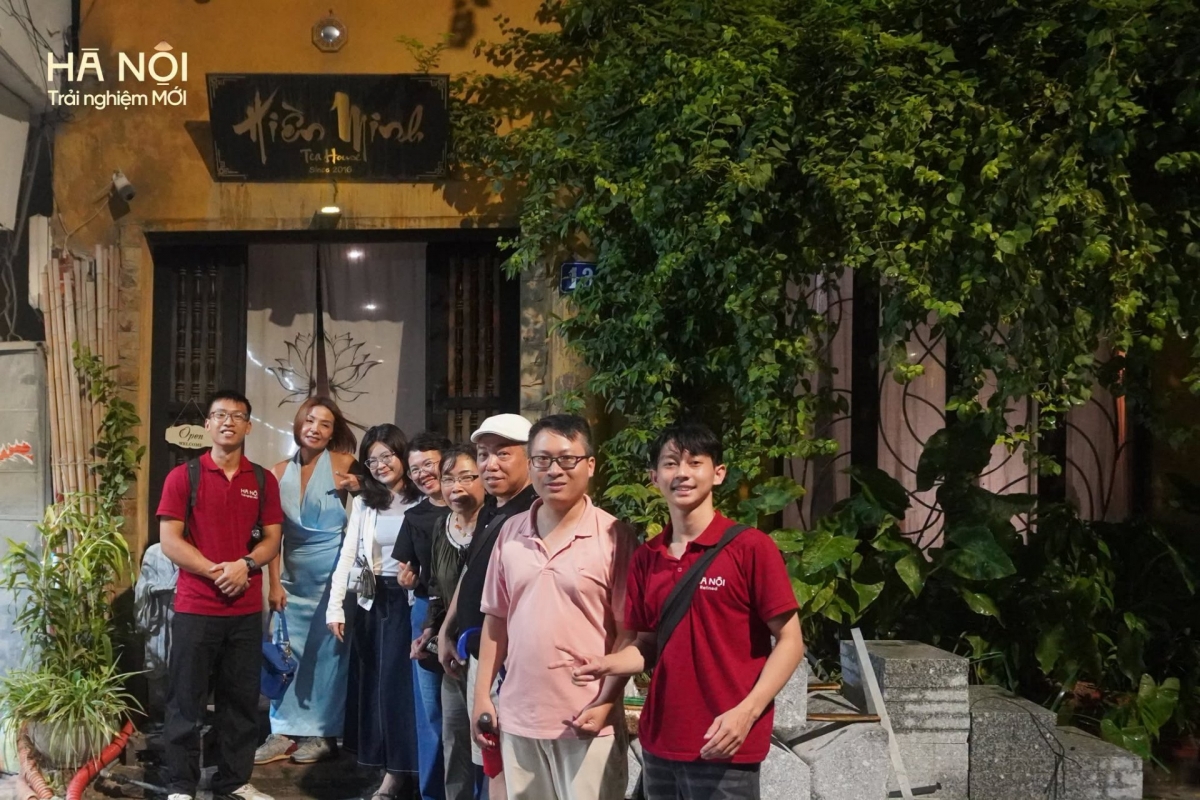
Giang and his colleagues currently offer two distinct walking tour formats, each with its own focus and structure. The “Standard Walking Tour” encourages participants to explore urban spaces through observation, listening, and dialogue. Tours such as “Hanoi Night Walk” and “Apartment Block Architecture – A Model Lifestyle” invite participants to discover the city’s history, architecture, and urban life through its streets and residents.
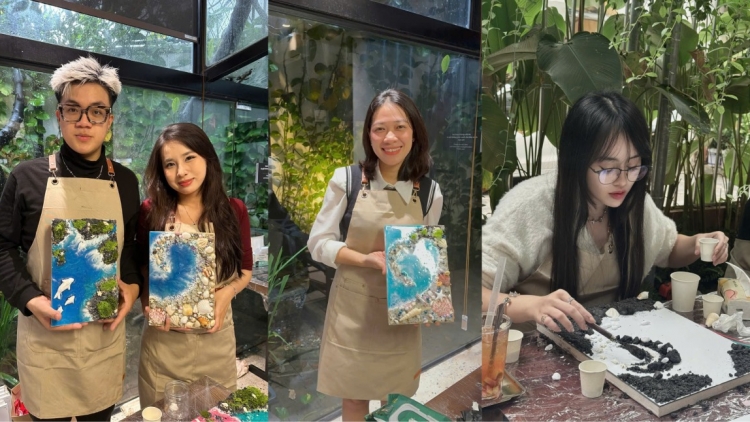
The “Artisan Walking Tour” introduces visitors to traditional crafts. In addition to exploring the history of craft streets, participants can observe artisans at work, interact with them, and create their own personalized products.
Tours such as “Embroidery Soul in the City”, “Soul of the Capital City”, and “Silver Leaf Lacquering” bring craft heritage to life through knowledge, skills, and hands-on experiences.
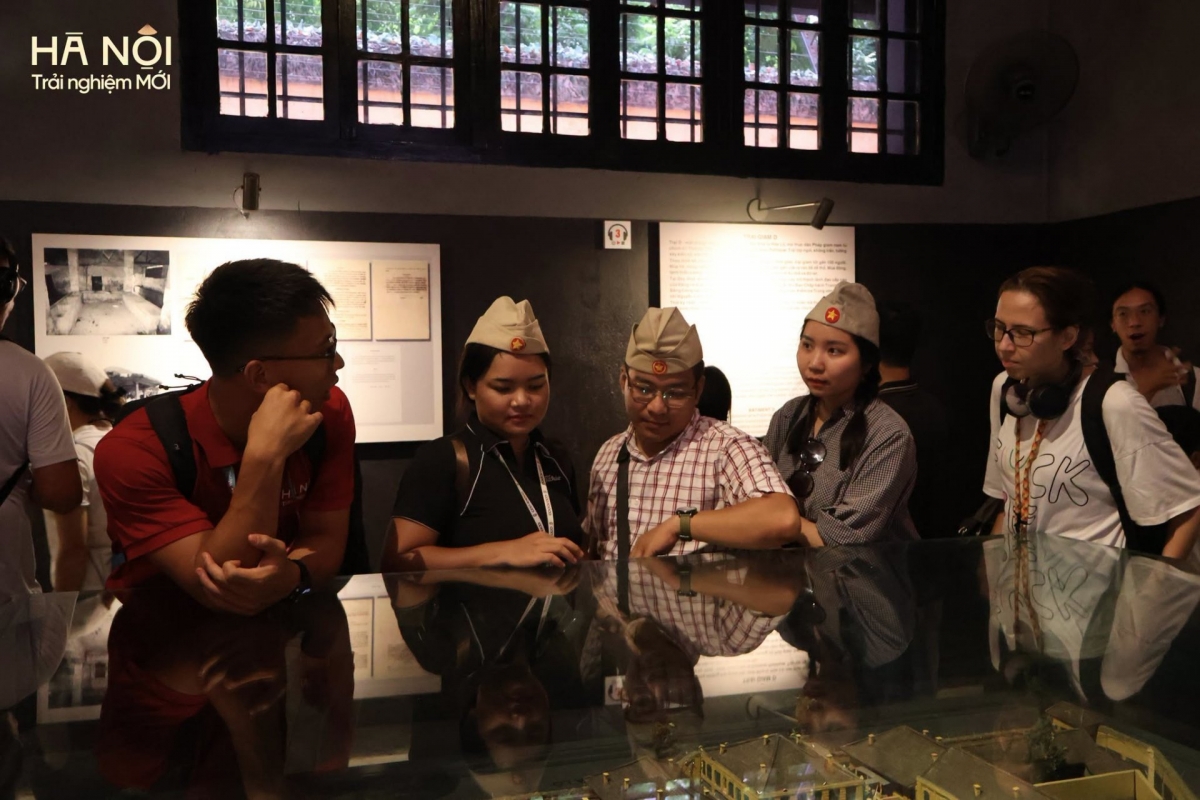
Offering the two formats side by side reflects a flexible approach to urban heritage, allowing people to engage with the city at different levels, from observation and discovery to hands-on participation, Giang said.
“Our walking tour of Hanoi’s apartment block architecture takes us through residential complexes, where we meet residents, hear their stories and perspectives, and trace the evolution of the city’s apartment blocks."
"We also offer programs exploring architecture, and the streets, small alleys, and nighttime livelihoods of Hanoi’s working class. Our culinary walking tours allow visitors to explore street food and hear stories from culinary artisans. These experiential activities cover a wide range of fields and trades, catering to different interests and ways of exploring the city,” she noted.
Walking gives visitors the time and space to observe architectural landmarks, street corners, and narrow alleys more closely while taking part in activities incorporated into the itineraries. The slower pace offers a deeper connection with the city and its everyday life, said Giang.
“For every program, we consult experts in fields such as architecture, culture, and folk arts to draw on their knowledge and expertise. Based on these insights, we design programs that offer visitors a comprehensive experience. Participants can easily access condensed knowledge and firsthand experiences while creating memorable personal moments beyond traditional tourist settings.”
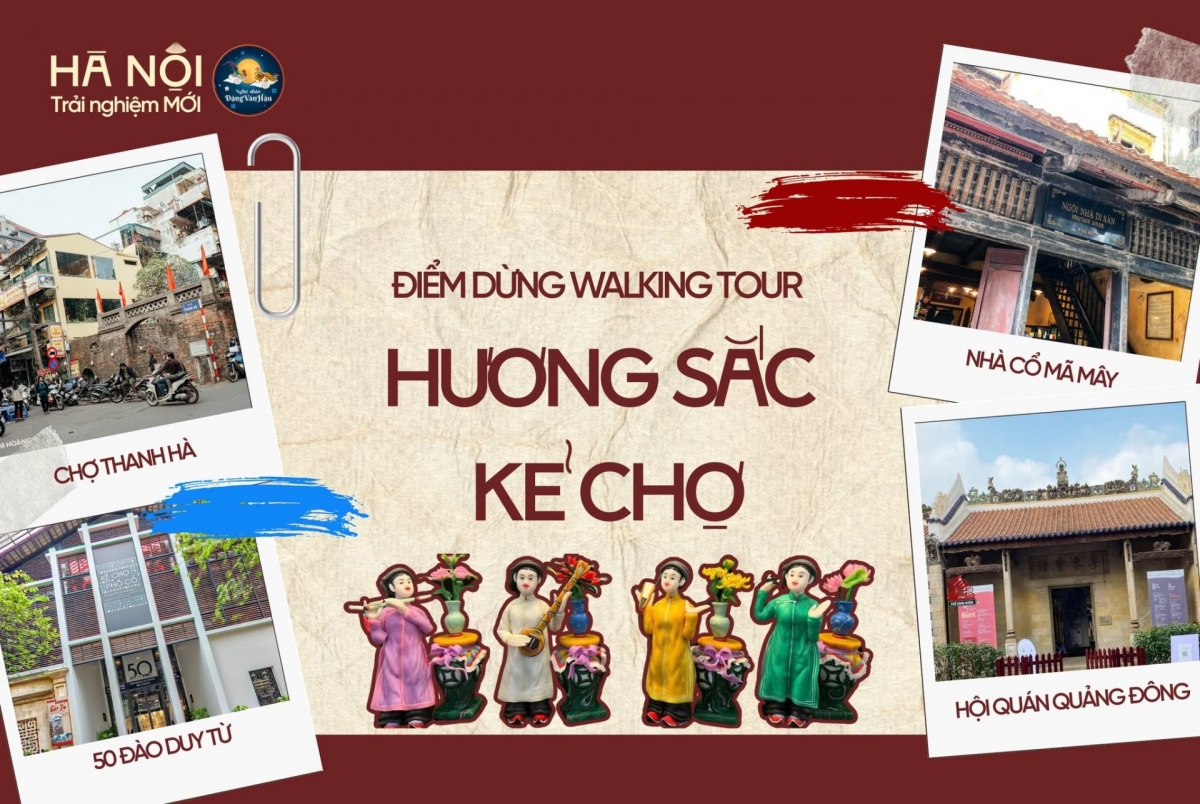
The walking tours offered by the “Hanoi New Experiences” project have attracted both visitors and people who live and work in the capital.
Nguyen Thanh Hung, who has joined three of the tours, said, “I joined the ‘Hanoi Night Walk’, the ‘French Architecture’ tour, and the ‘Unsung Heroes’ tour. These programs explore the city’s cultural depth. During the ‘Hanoi Night Walk’, I met Mrs. Hong, a garment thread maker, and listened to her life story. On the ‘Unsung Heroes’ tour, I met the granddaughter of the composer who wrote the song ‘August 19’. It was a fascinating experience. I feel that Hanoi has become much more colorful.”
Giang and his team plan to expand the project, helping to preserve Hanoi’s historical and cultural values while bringing the capital’s rich urban heritage closer to visitors and residents alike.