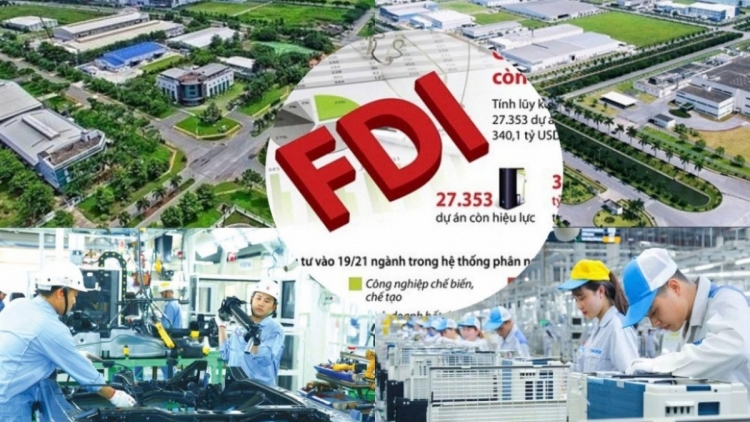




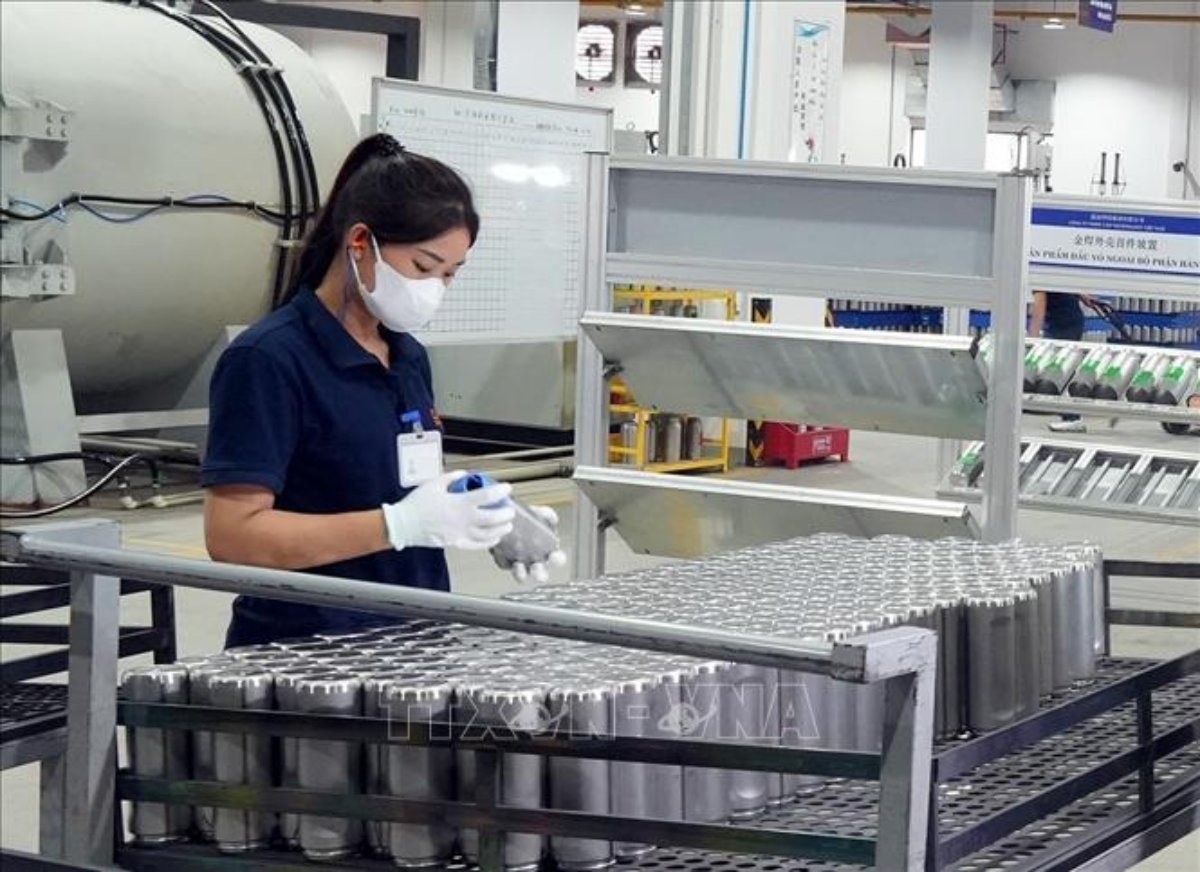
Vietnam will prioritize attracting high-tech FDI projects with strong innovation capacity, significant technology spillover effects, and close linkages with domestic enterprises. This is a key direction in Vietnam’s next-generation foreign investment strategy.
Prioritizing high-tech FDI
The Resolution sets specific targets for FDI attraction during the 2026–2031 period, aiming for annual registered capital of 40–50 billion USD and disbursed capital of 30–40 billion USD. 75% of foreign investment is expected to come from developed countries and economies with advanced technologies, strong innovation capabilities, and modern governance standards. Vietnam seeks to improve the quality of FDI inflows and address longstanding challenges, including limited technology transfer, weak linkages between foreign-invested and domestic firms, low localization rates, and the modest participation of Vietnamese enterprises in global value chains.
The Resolution outlines guiding principles for the development of the foreign-invested sector, emphasizing a shift “from attracting capital to building a strategic national investment foundation” and “from input-based incentives to support tied to actual performance and fulfillment of commitments.”
Economist Dr. Nguyen Minh Phong calls this a significant step to attract new generation, high-quality FDI projects. Mr. Phong said: “This is an extremely important directive that reflects a breakthrough in the Party’s thinking and approach to attracting FDI, particularly technology-driven investment."
"The focus is on sustainable development and establishing a screening mechanism to sort out inappropriate projects. Rather than offering incentives at all costs, support will be linked to tangible outcomes and contributions. In other words, Vietnam is building an ecosystem in which incentives are aligned with national development goals and the real performance of FDI enterprises. This will be the most effective filter for securing genuinely high-quality and impactful investment projects,” said Mr. Phong.
Turning policy into action
To achieve its goal of attracting new generation FDI projects, Vietnam will need to take a comprehensive set of measures, including increasing localization rates, strengthening domestic firms’ participation in FDI supply chains, and shifting investment attraction policies from prioritizing quantity to emphasizing quality, efficiency, advanced technology, innovation, and sustainability.
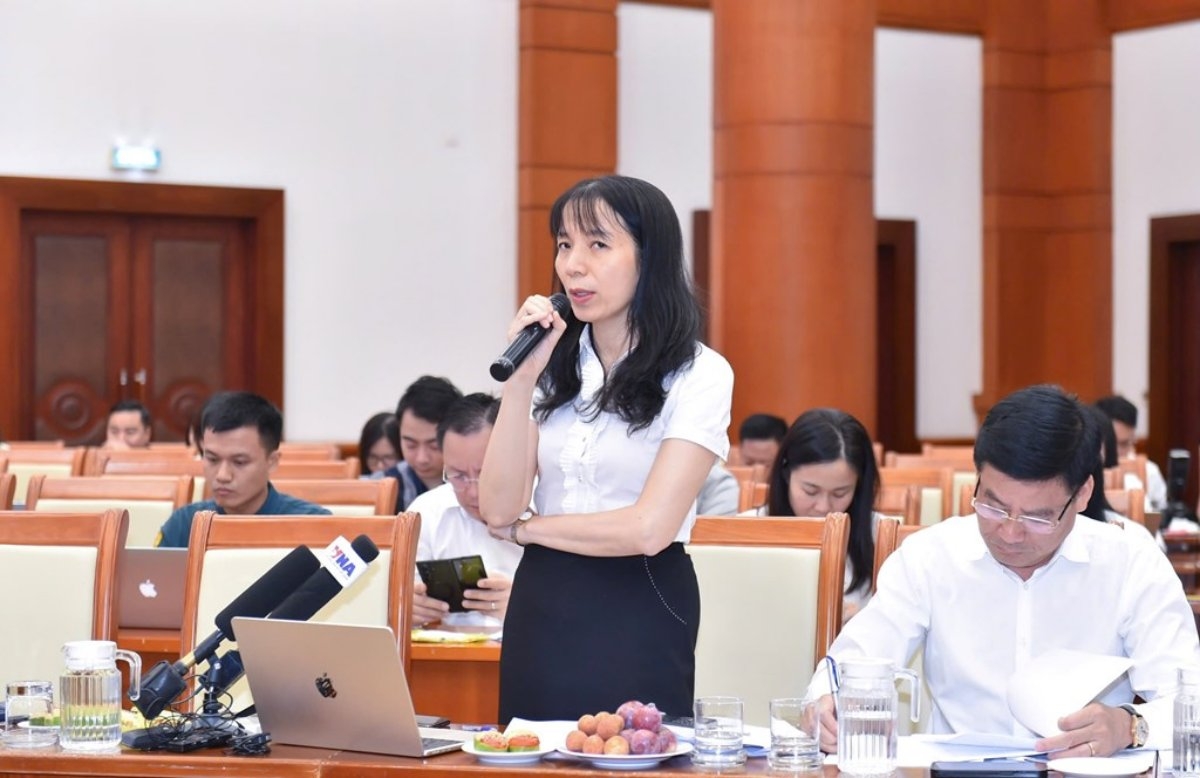
Dao Thanh Huong, Deputy Director of the Foreign Investment Agency at the Ministry of Finance, said: “As soon as the Resolution was adopted, the Ministry of Finance and the Foreign Investment Agency began drafting a resolution on an Action Program to implement Resolution 10. It will be submitted to the National Assembly’s October session. Afterwards, we will submit the Action Program to the Government, assigning implementation responsibilities to ministries, sectors, and localities, as achieving the Resolution’s goals will require coordinated efforts by multiple agencies.”
According to Ta Van Ha, Vice Chairman of the National Assembly’s Committee for Culture and Society, the legislature will play a crucial role in translating the Resolution’s strategic goals into reality, while refining institutions and enhancing coordinated implementation from the central to local level.
With its new approach to FDI attraction, Vietnam hopes to harness the combined strengths of the private sector, state-owned enterprises, and foreign-invested businesses to create a powerful new growth engine driven by technology, innovation, and the achievements of the Fourth Industrial Revolution. This momentum will enable Vietnam to achieve double-digit growth, overcome the middle-income trap, and build a more advanced, productive, efficient, and sustainably integrated economy.