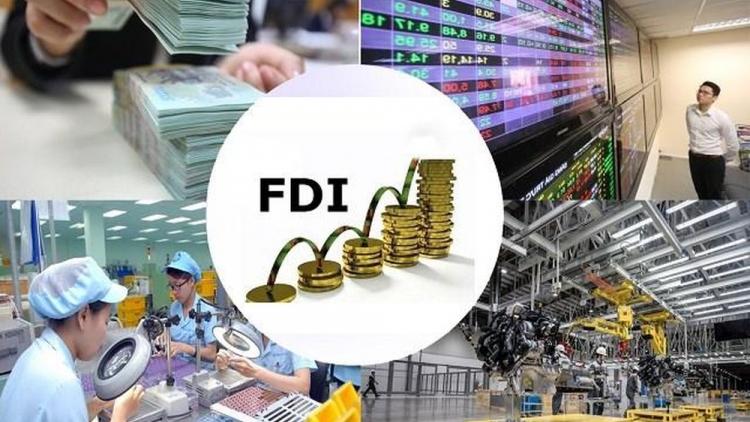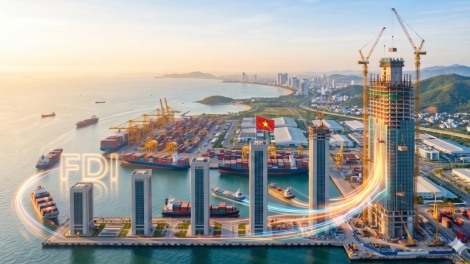




After nearly 40 years of attracting and managing FDI, with significant achievements, Vietnam is entering a new phase in its investment strategy. Under Government Resolution 50, issued in 2019 to improve institutions, policies, and the quality of foreign investment cooperation, FDI remains a key driver for national development. But the focus has shifted from attracting large volumes of capital to selectively drawing quality investment capable of generating broad economic spillover effects.
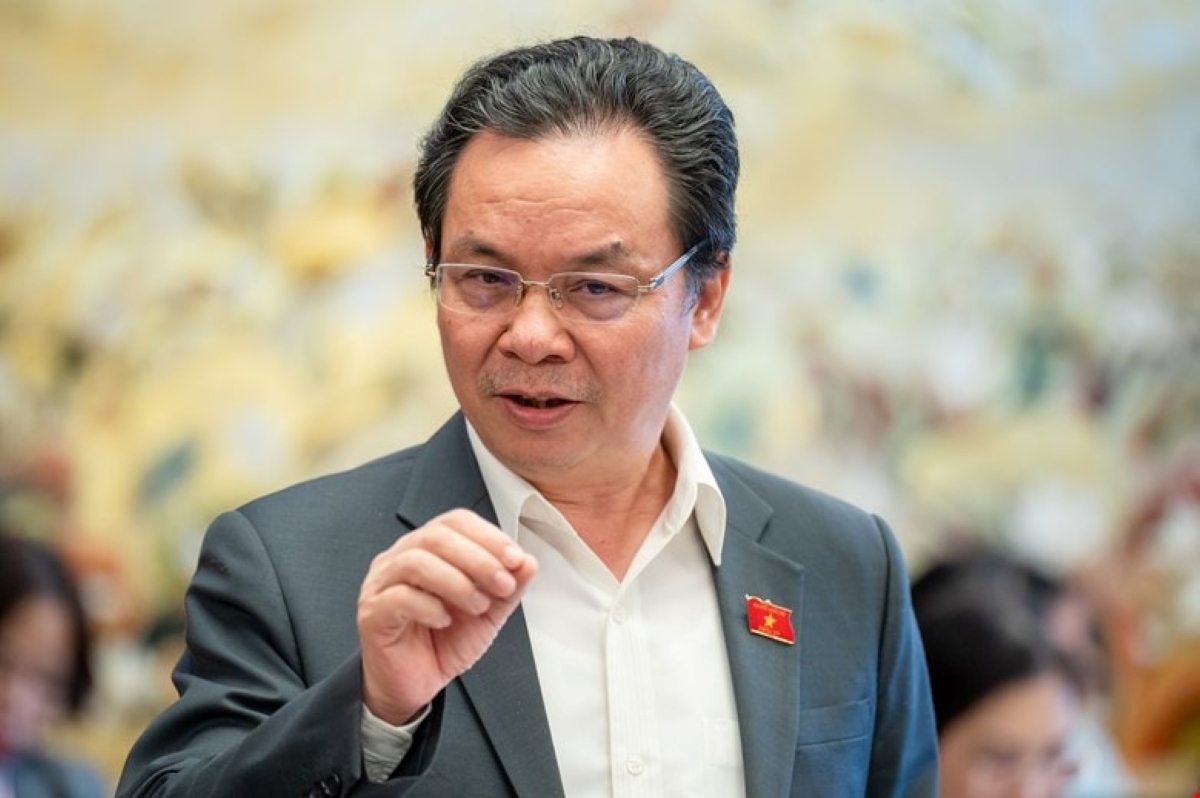
Hoang Van Cuong, a member of the National Assembly’s Finance and Budget Committee, said that Vietnam is shifting toward a next-generation FDI attraction strategy, which means attracting not just capital, but capital accompanied by technology, creating a spillover effect between the FDI sector and domestic enterprises. “That way we can elevate the capabilities of domestic firms and workers and enable the national economy to make a breakthrough and develop,” Cuong noted.
To this end, Vietnam has focused on institutional reforms to strengthen investor confidence, selective FDI attraction in strategic sectors, comprehensive infrastructure upgrades — particularly in energy and digital infrastructure — high-quality human resources, and green growth and innovation-linked investment.
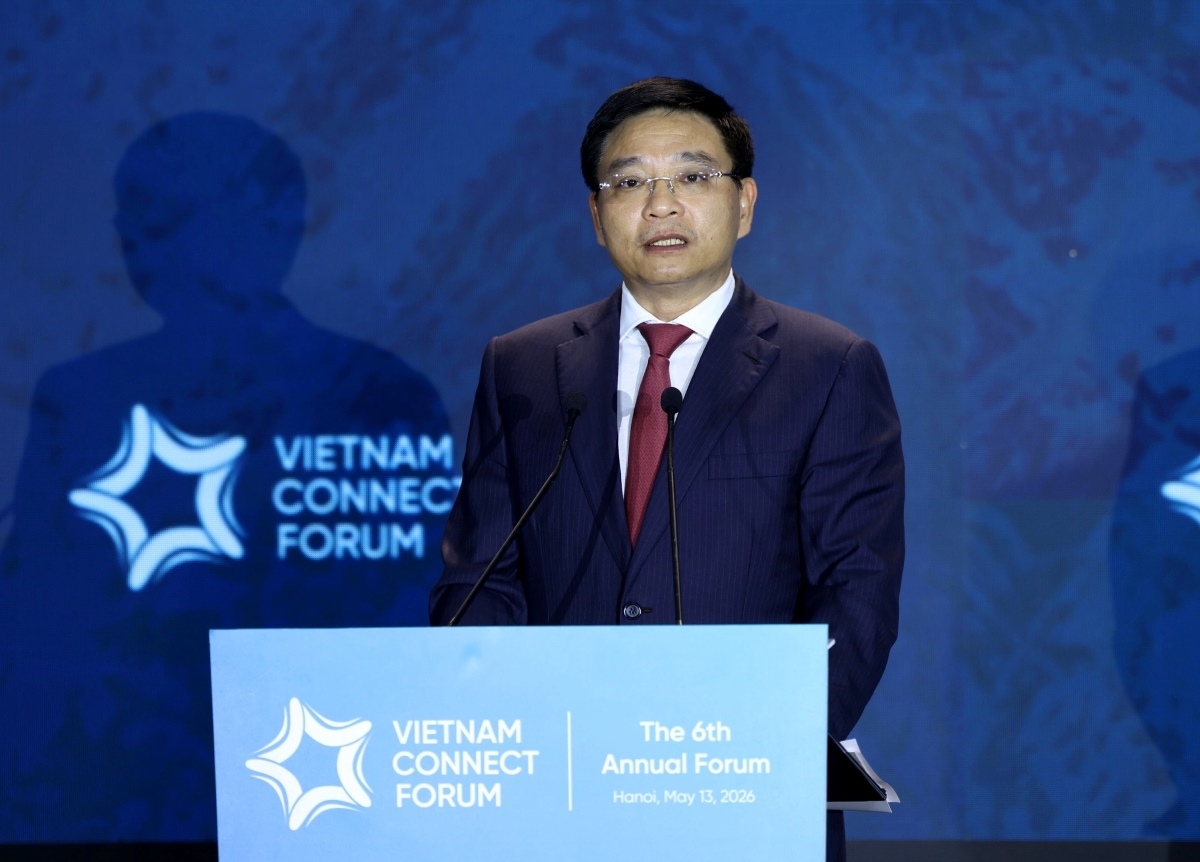
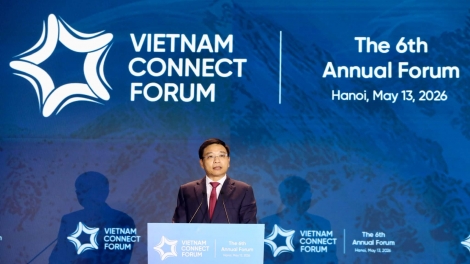
Deputy Prime Minister Nguyen Van Thang said at the Vietnam Connect Forum last month, “For Vietnam, this is both a challenge and a massive opportunity to reposition its role within regional and global value chains. Vietnam will transform its growth model to rely more heavily on science and technology, innovation, digital transformation, green transition, and the development of the private economic sector.”
As global competition for FDI intensifies, investment trends such as friend-shoring and near-shoring are making capital flows more concentrated and selective. At the same time, mounting pressure for green transition and the need to absorb and master advanced technologies require Vietnam to attract investment and strengthen its own absorptive capacity.
To meet these demands, Vietnam is continuing to improve the competitiveness of its investment environment, while clearly defining strategic priorities and modernizing management approaches to ensure the long-term effectiveness of FDI projects.
Bui Thu Thuy, Deputy Director of the Foreign Investment Agency at the Ministry of Finance, reaffirmed Vietnam’s view that FDI is an important growth driver, but not a substitute for domestic capacity. “At this time, we hope that the FDI resources flowing into Vietnam will bring capital and knowledge, technology, changes in governance methods, and updates in standards,” according to Thuy.
“In the new FDI attraction scheme that we’re drafting, we hope that Vietnam will become a destination for FDI capital and secure a definitive position within the global value chain. Vietnam isn’t attracting mass FDI. Instead, we want to welcome FDI projects tied to specific factors, such as technological and strategic sectors. These FDIs should no longer rely on tariff incentives, and are expected to transfer technology and provide training for domestic enterprises,” said Thuy.
Vietnam aims, by 2030, to improve the quality of FDI inflows and raise localization rates, paving the way to becoming a regional technology hub between 2035 and 2045, with FDI increasingly concentrated in research, development, and innovation.
The implementation roadmap is divided into 3 phases. Up to 2030, Vietnam will focus on institutional reform and high-tech FDI attraction. Between 2031 and 2035, Vietnam aims to strengthen its position in the global value chain. From 2036 to 2045, innovation centers are expected to be fully established and operating effectively to support the needs of a developed economy.
Deputy Prime Minister Thang said Vietnam is already rolling out a series of breakthrough measures, adding, “We will continue to fine-tune institutions and improve the business investment environment, shifting from a management mindset to a development-service mindset.”
“The Government will continue to substantively cut administrative procedures and business investment conditions, step up decentralization of power coupled with enhanced supervision, promote comprehensive digitalization, effectively implement the single-window mechanism, and increase the transparency, stability, and predictability of policies,” the Deputy PM said, adding, “Vietnam prioritizes attracting projects in semiconductors, electronics, AI, data, biotechnology, pharmaceuticals, clean energy, new materials, modern logistics, financial services, innovation, and strategic tech sectors.”
As Vietnam pursues double-digit economic growth, attracting next-generation FDI is expected to add development resources. The Government hopes the structure of FDI inflows will shift toward high-quality investment in high technology, green industries, and renewable energy, creating fresh momentum for Vietnam to achieve its growth targets.