



Vietnam has consistently affirmed it is a responsible member of the international community.
From commitments made in international forums to concrete legislative actions at home, the country has worked hard to build a safe, equitable, and nurturing environment for children in a rapidly changing world.
Joining hands to shape global standards
At multilateral forums, Vietnam has played an increasingly active role through initiatives that address emerging global challenges.
In 2014, Vietnam promoted the adoption of a resolution on Climate Change and the Rights of the Child at the United Nations Human Rights Council. Later, during its tenure as a non-permanent member of the United Nations Security Council (2020–2021), Vietnam contributed significantly to efforts to protect vulnerable children. It convened the first-ever Arria-formula meeting focused on children deprived of parental care in conflict situations and helped advance Resolution 2573, which strengthens the protection of essential civilian infrastructure, including schools and children's hospitals.
Vietnam has also engaged in regional policymaking within the Association of Southeast Asian Nations (ASEAN), contributed to the priority programs of the ASEAN Intergovernmental Commission on Human Rights (AICHR), hosted regional workshops on combating the trafficking of women and children in 2016, and promoted greater access to education for children with disabilities in 2017.
Vietnam has fulfilled its obligations under the ASEAN Convention Against Trafficking in Persons (ACTIP) and Conventions 138 and 182 concerning the elimination of the Worst Forms of Child Labor.
Turning commitments into tangible results
Vietnam’s efforts have led to tangible results in reaching its Sustainable Development Goals (SDGs). Having achieved its Millennium Development Goals (MDGs) ahead of schedule, Vietnam continues to advance steadily toward realizing its 2030 Agenda, particularly achieving universal primary education, and reducing mortality among children under five.
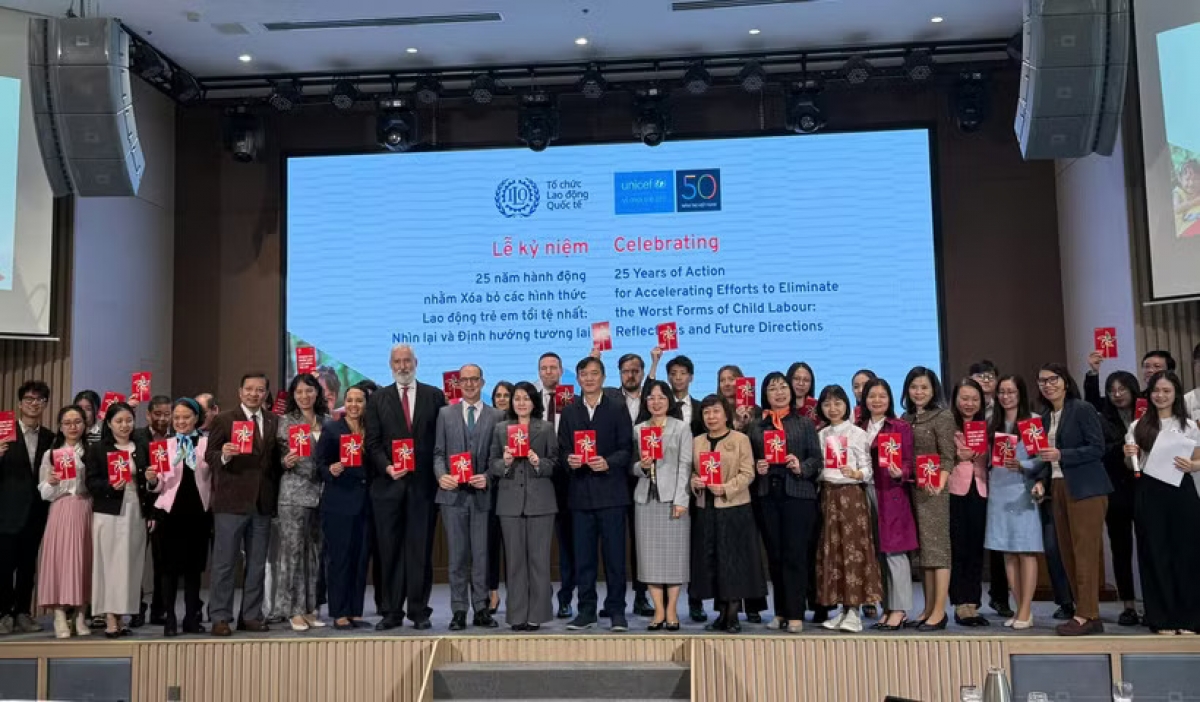
One of its most notable achievements has been Vietnam’s 25-year implementation of ILO Convention 182. The proportion of children engaged in economic activities fell from 9.1 percent in 2018 to just 3.5 percent in 2023. This progress reflects Vietnam’s longstanding philosophy that economic growth must go hand in hand with social equity and the protection of the most vulnerable.
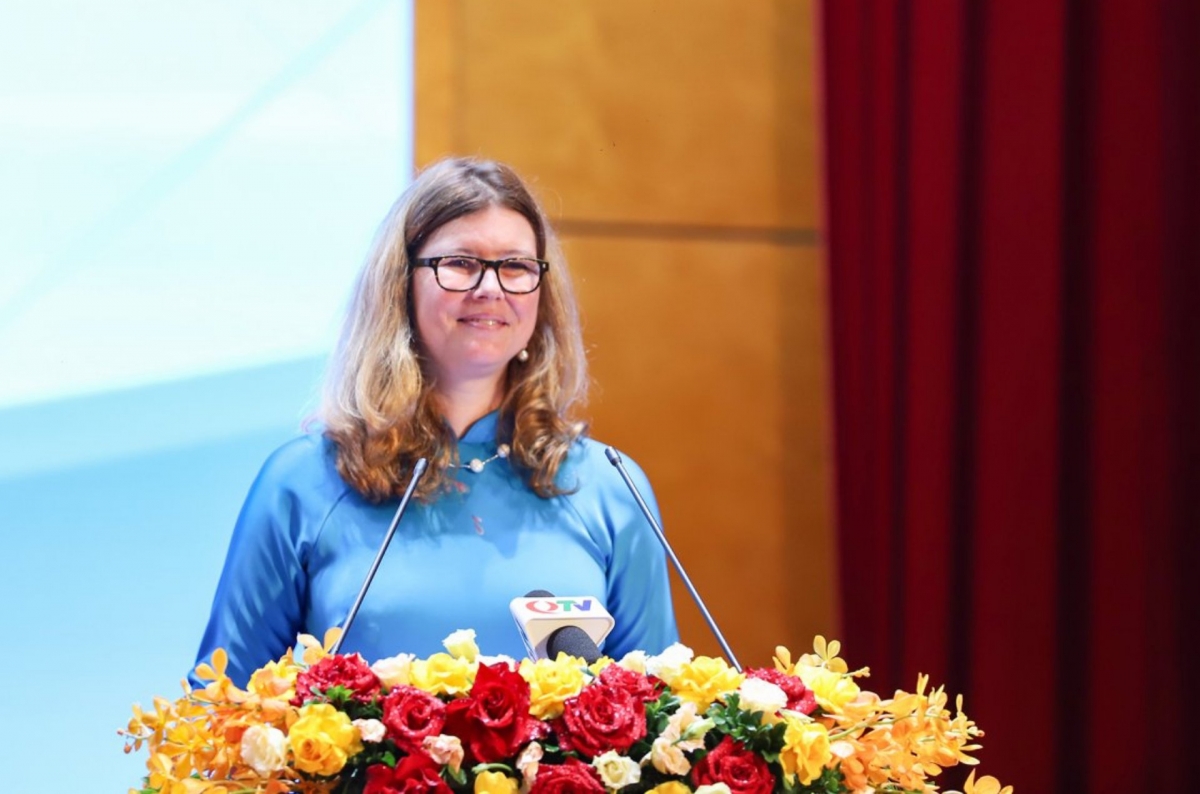
Silvia Danailov, UNICEF Chief Representative in Vietnam, said: "Vietnam has made strong progress. Investments in health, education, and protection have significantly improved children's survival and access to services, even in remote areas. The country has also strengthened its legal framework, including new efforts on digital child protection"
As new challenges emerge in the digital era, Vietnam has moved swiftly to incorporate online child protection into regional and global cooperation frameworks. Together with other ASEAN member states, Vietnam adopted the 2019 ASEAN Declaration on the Protection of Children from All Forms of Online Exploitation and Abuse and has instigated initiatives to strengthen child protection in cyberspace.
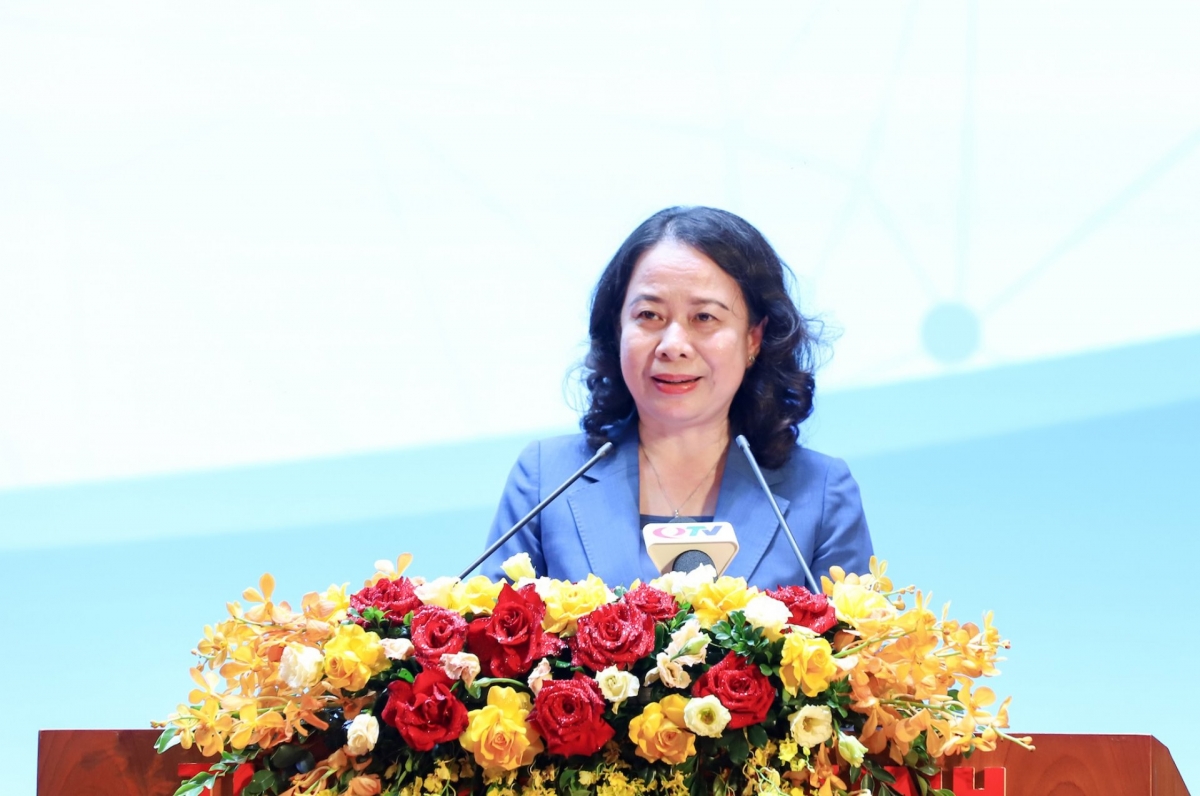
At the launch ceremony of the 2026 Month of Action for Children last week, under the theme “Happy, Safe Children Moving Forward Confidently in the Digital Era,” Vice President Vo Thi Anh Xuan said: “We cannot allow Vietnamese children to enter the digital environment without adequate guidance, support, and protection from negative impacts. Equipping children with digital literacy and online life skills is therefore essential. Comprehensive measures must be implemented to safeguard children in cyberspace, while the education sector and relevant authorities should strengthen instructions in digital skills, self-protection, and online risk prevention.”
With the world facing climate change, armed conflict, and digital transformation, Vietnam continues to demonstrate its unwavering commitment to ensuring that every child can live safely, be protected, and have access to opportunities for development.