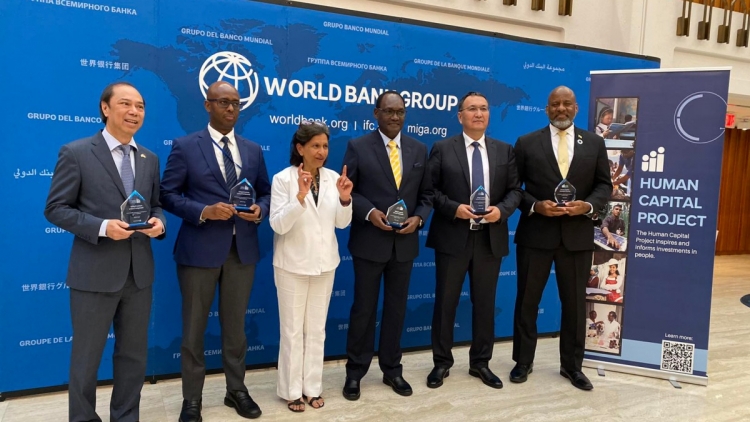




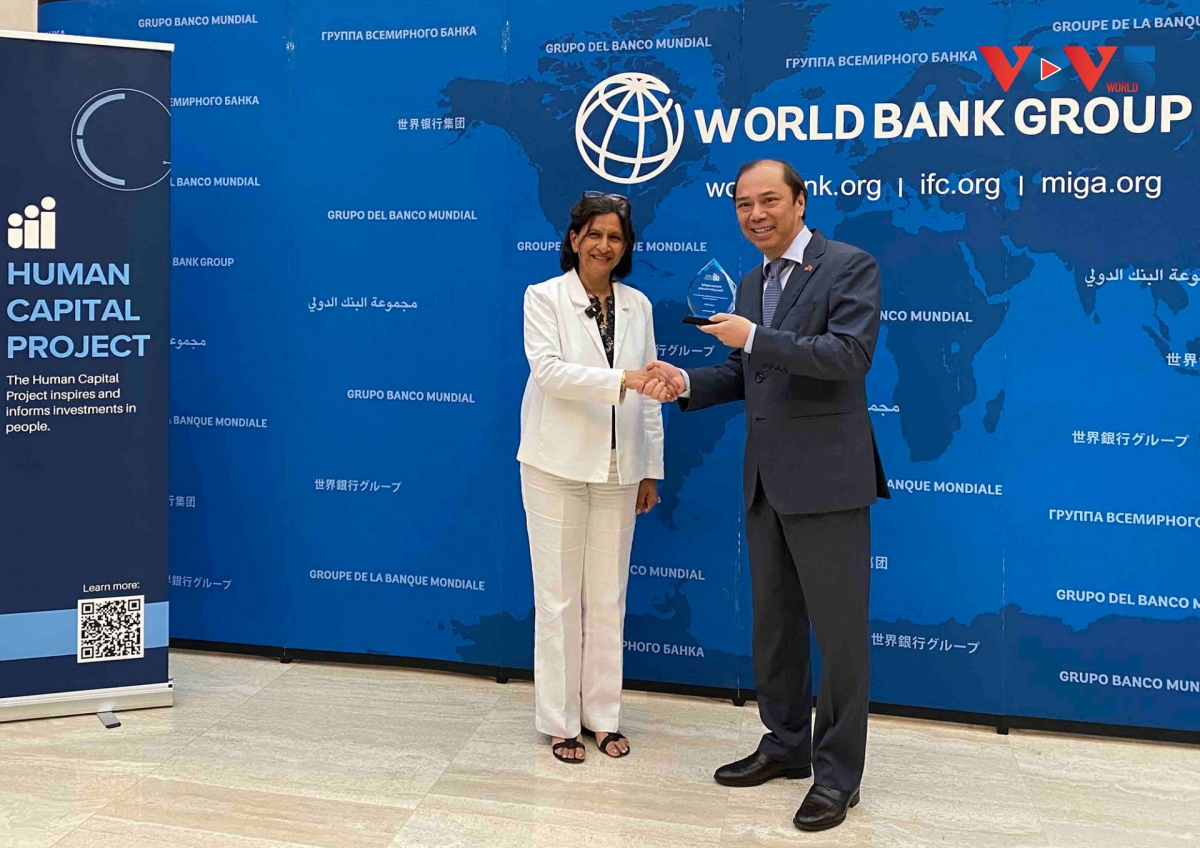
The Human Capital Index Plus (HCI+) provides a comprehensive measure of how countries invest in and utilize their human capital. It not only assesses the potential created through education and healthcare, but also evaluates how effectively that potential is translated into tangible economic outcomes, particularly employment and income.
The index examines quality of education and learning outcomes, health and life expectancy, labor force participation, the effective use of skills in the economy, and the extent of human capital loss when skills are underutilized.
Clear evidence of competitiveness
Vietnam stands out in the World Bank’s assessment in education, employment, and the efficient use of human capital. In education, Vietnam continues to deliver strong results. Its consistently high performance in international student assessments demonstrates sustained and broad-based improvements in the quality of foundational education.
Vietnam has made significant progress in employment. The HCI+ report highlights a notable increase in wage employment, reflecting a positive shift from informal work to more productive formal jobs.
Vietnam is more effective than average in its income group in converting investments in education and healthcare into real economic growth.
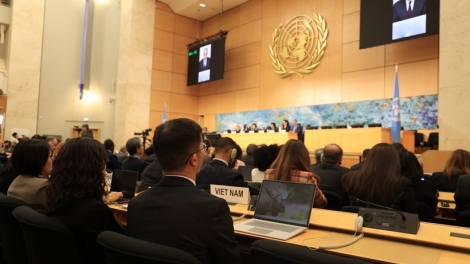
The World Bank’s assessment validates the coordinated efforts of the Government, ministries, and local authorities to implement Politburo Resolution 72 on breakthrough measures to strengthen public healthcare and Resolution 71 on advancing education and training for high-quality human resources through 2030.

Minister of Health Dao Hong Lan said: "The Ministry of Health has worked with the Ministry of Public Security and Vietnam Social Security to roll out 34.3 million electronic health records via the VNeID app. A major task under Resolution 72 is the development of a nationwide program for periodic health check-ups, with the long-term goal of providing basic-level free healthcare. The legal framework for implementing periodic health examinations has been incorporated into the Government’s decree guiding the Law on Disease Prevention."
Vietnam’s HCI+ 2026 evaluation is the result of progress in education and healthcare, reflecting the effectiveness of public financial management in translating investment into outcomes. Vietnam is recognized as a country that converts public spending on education and health into economic growth more efficiently than the global average. Strong public expenditure and outstanding education outcomes reflect fiscal policies that prioritize knowledge investment. The World Bank noted substantial gains in wage employment, indicating success in aligning financial resources for training with the demands of the labor market.
Human capital - a key driver of national competitiveness
In an era where global competitiveness increasingly depends on knowledge and technology, human capital is replacing natural resources as the decisive factor in competitiveness.
HCI+ 2026 suggests several policy directions for Vietnam. While investment in education and healthcare should be sustained, the focus needs to shift toward quality and alignment with labor market demands – not just training more workers, but equipping them with the right skills, especially in technology, digitalization, and innovation.
Improving labor market information systems, enhancing the quality of vocational training, and facilitating labor mobility across sectors will be critical. Equally important will be how the business sector “activates” human capital. Enterprises are not just employers, they also provide ongoing training, upgrade workers’ skills, and encourage innovation.
As Vietnam advances towards high-tech industries and the digital economy, the ability of firms to use and develop talent will determine how fully the country can leverage its HCI+ advantage.
Vietnam’s position among the top HCI+ performers sends a strong message about its development model, demonstrating that investing in people generates sustainable competitive advantages. Although this path requires consistency and a long-term commitment, it’s bringing about enduring benefits, lowering risks, and contributing to the nation’s sustainable development.