







As part of the Hanoi Creative Design Festival 2026, Re:Craft brought together lecturers, more than 100 outstanding students from 11 universities, and artisans from five traditional craft villages in Hanoi.
For the eight-day creative journey, student teams engaged in field research, hands-on practice, and product development. Working closely with local artisans, they explored the core values of traditional craft villages and proposed innovative ways to reinterpret these cultural assets for contemporary life.
Associate Professor, Doctor, Architect Nguyen Tuan Anh, Vice Rector of Hanoi Architectural University, said: "The theme of this Summer Camp program is very meaningful. We are seeing positive changes in promoting the value of our cultural heritage. We also want to further enhance the value of the traditional culture that we have preserved for a long time, especially our traditional craft villages, whose heritage has been accumulated over many centuries. This program not only helps raise the status and value of these traditions but also contributes to society through activities that are in line with our strategy for education and training."
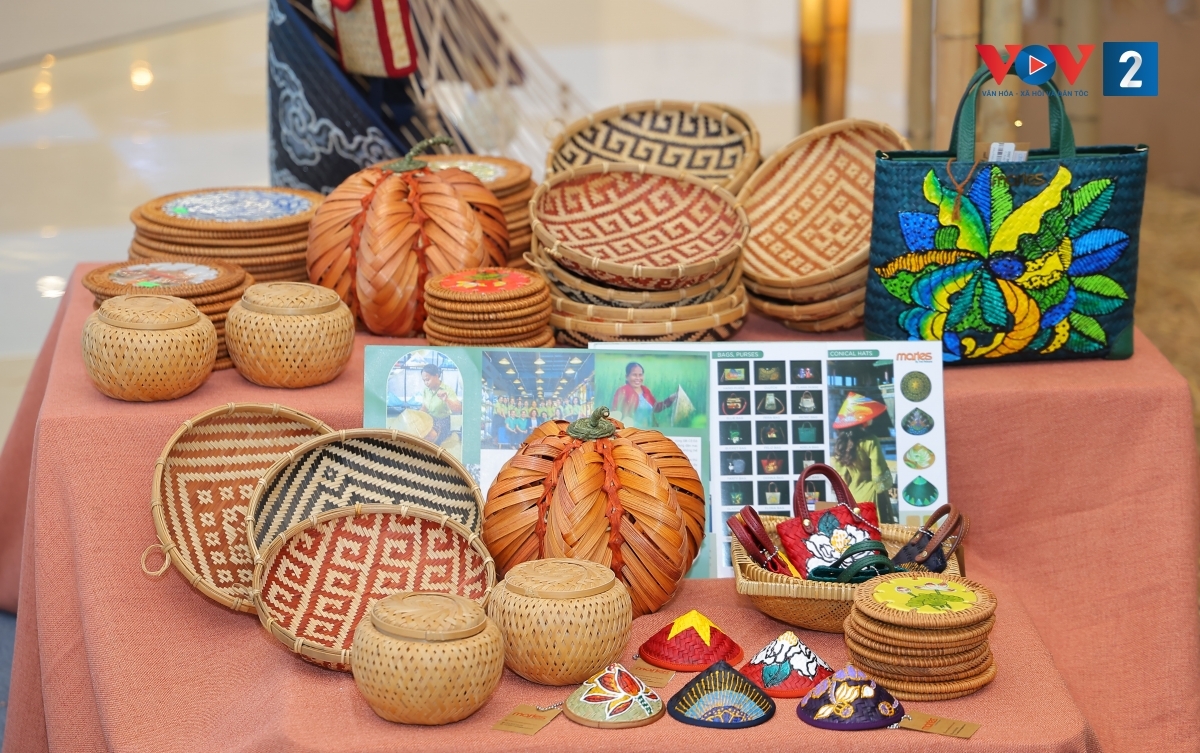
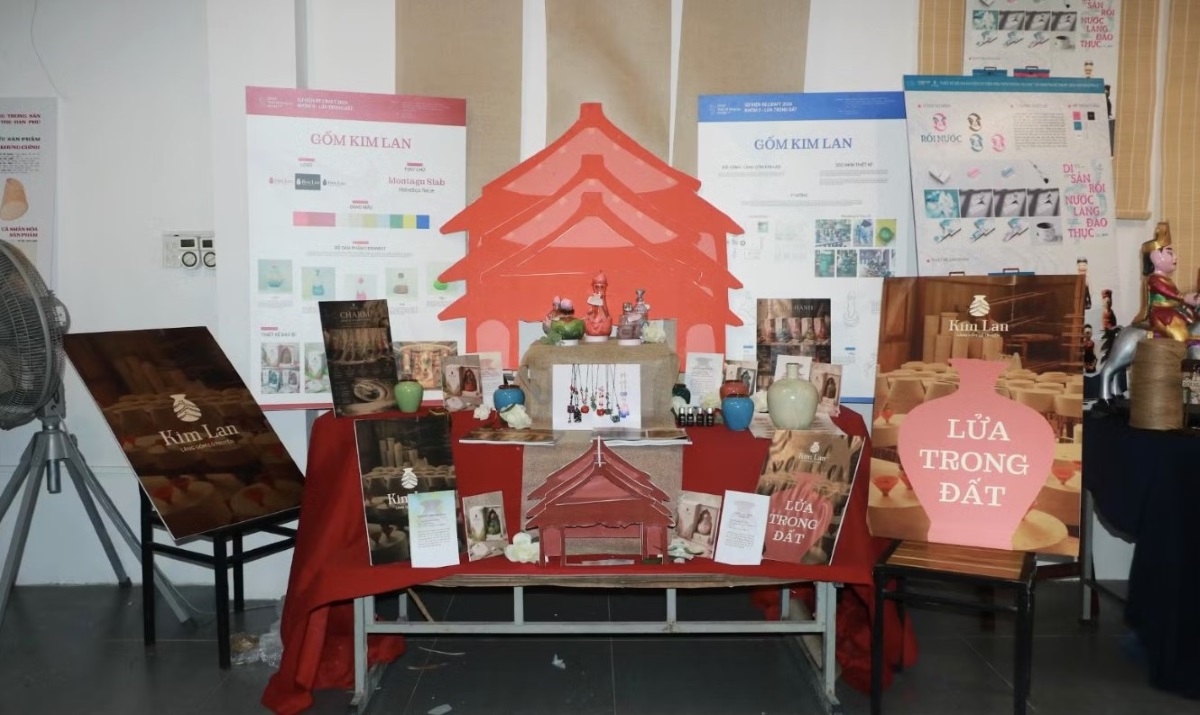
Throughout the journey, from fieldwork to the creative workshop, student teams had the opportunity to work directly with artisans from five representative traditional craft villages: Ha Thai lacquerware, Kim Lan ceramics, Dao Thuc water puppetry, Phu Vinh bamboo and rattan weaving, and Quat Dong embroidery.
Artisan Hoang Thi Khuong said: "I am an artisan from Quat Dong Embroidery Village. My family has practiced this craft for four generations. I hope to help develop the craft and work together with universities to promote traditional crafts, so that younger generations can preserve the embroidery heritage of Quat Dong."
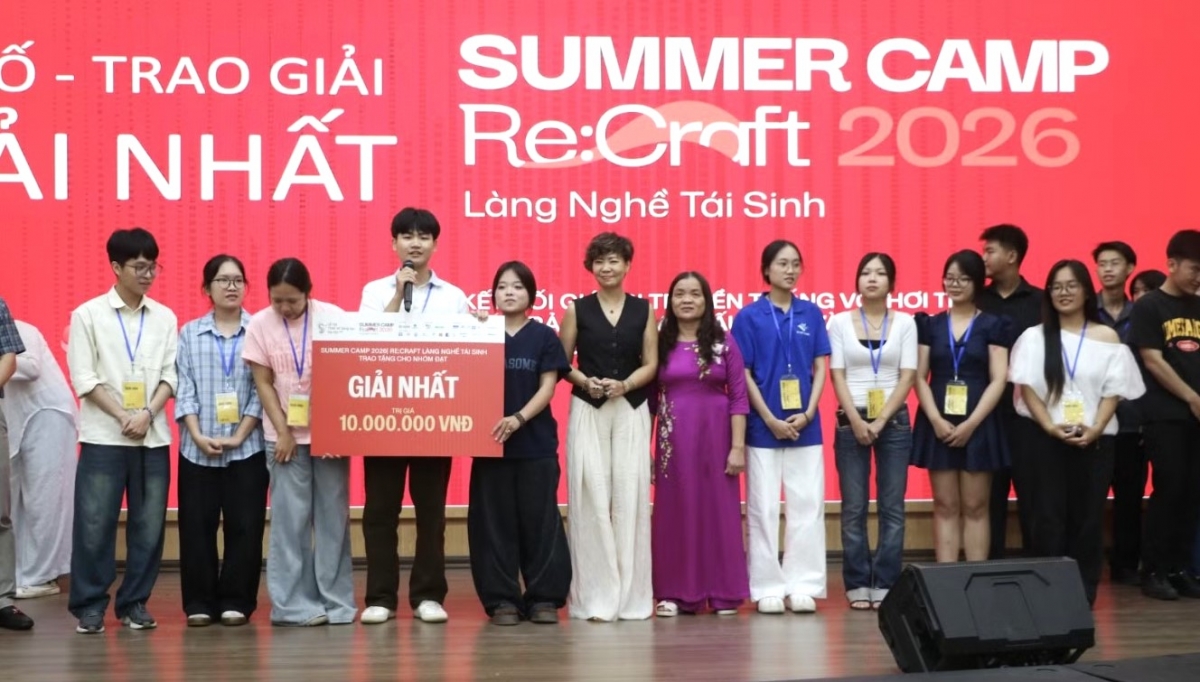
During the program, students were organized into teams that brought together expertise in design, culture, the creative economy, and communications. Each team worked with a traditional craft village, where they learned directly from the artisans, conducted field research, observed production processes, explored materials and techniques, were told the cultural stories behind the crafts, and gained a deeper understanding of the practical development needs of each village.
Meritorious Artisan Do Viet Binh, Chairman of the Kim Lan Ceramics Association in Kim Lan ancient pottery village, Hanoi, said: "Today, Kim Lan's pottery industry mainly produces household items, worship products, and ceramic jars, vases, and planters. It has been a long time since we had the opportunity to work with designers and university students to develop new product designs for the craft village. Through this program, we hope to create more innovative products and designs that will help the village grow in line with the needs of today's market."
One of the highlights of the program was Re:Connect, where teams of students produced videos telling the stories of traditional craft villages from the young people’s perspectives. They offered fresh, relatable, and emotional perspectives on traditional crafts. By the end of the program on July 13, the Re: Connect videos had gained more than 310,000 views and over 10,000 interactions across the communication platforms of the Hanoi Creative Design Festival.
Pham Thu Hang, a student at Hanoi University of Culture, said: "Through this program, I hope to put what I have learned into practice and help revitalize our traditional craft villages. I believe experiential tourism can breathe new life into these villages by giving young people, as well as visitors of all ages, the opportunity to experience the crafts firsthand and immerse themselves in the local culture and way of life."
Re 2026 – Reimagining Craft Villages marks a shift from simply organizing festivals to building a sustainable urban creative ecosystem, where cultural heritage is not preserved as a static relic but embraced as a living resource that continues to inspire innovation and grow alongside the knowledge economy.


