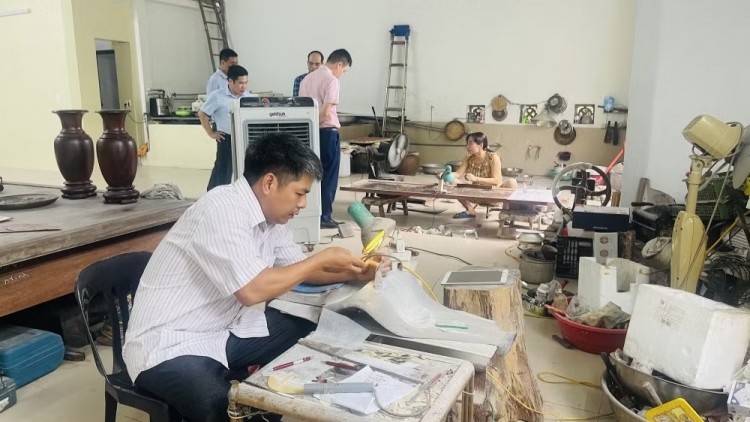




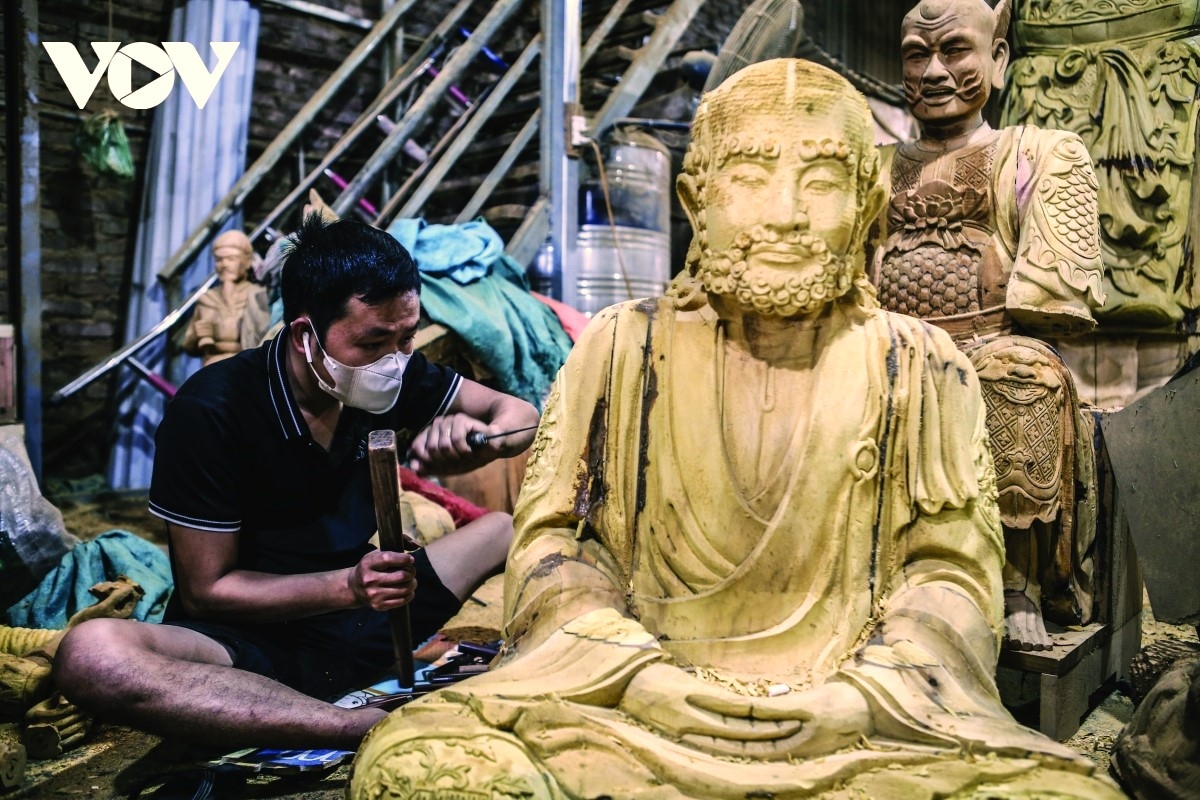
In the small wooden workshops lining the alleys of Son Dong commune, the sounds of chisels and saws ring out starting at dawn. Artisans patiently move through familiar stages - shaping, carving, lacquering, and gilding - each requiring years of experience and exceptional craftsmanship.
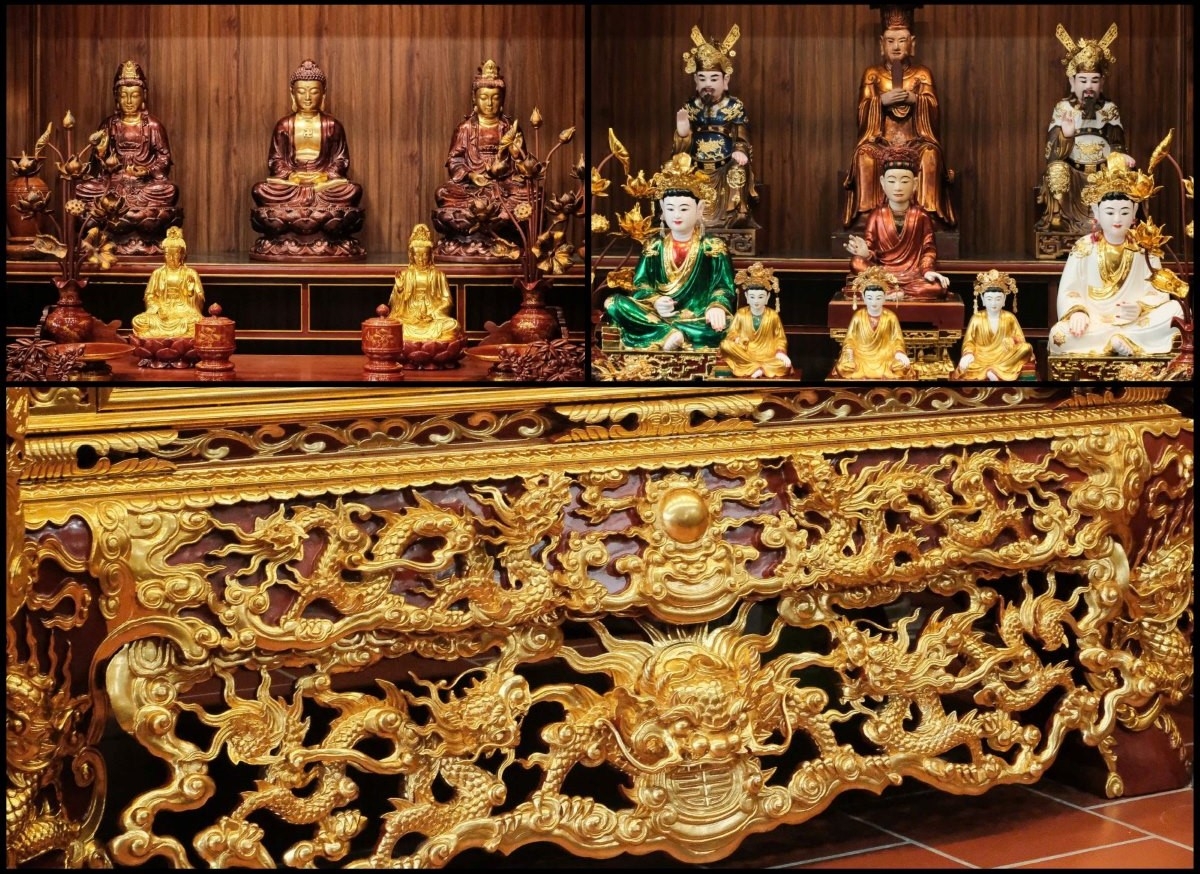
Son Dong is renowned for its intricately carved Buddha statues, worship items, and fine handicrafts. Its creations range from Buddha statues, holy statues, and lacquered horizontal boards to parallel sentences, altars, thrones, and palanquins. Today, products from the village can be found in thousands of communal houses, pagodas, temples, and shrines across Vietnam.
“Our craft village has long been known nationwide. Becoming part of the World Creative Craft Cities Network gives us the opportunity to introduce our unique culture to the world, especially our master-level carving techniques that embody Vietnam’s distinctive identity. I strongly believe we will achieve even greater success in the years ahead,” said Meritorious Artisan Nguyen Danh Son, a native of Son Dong.
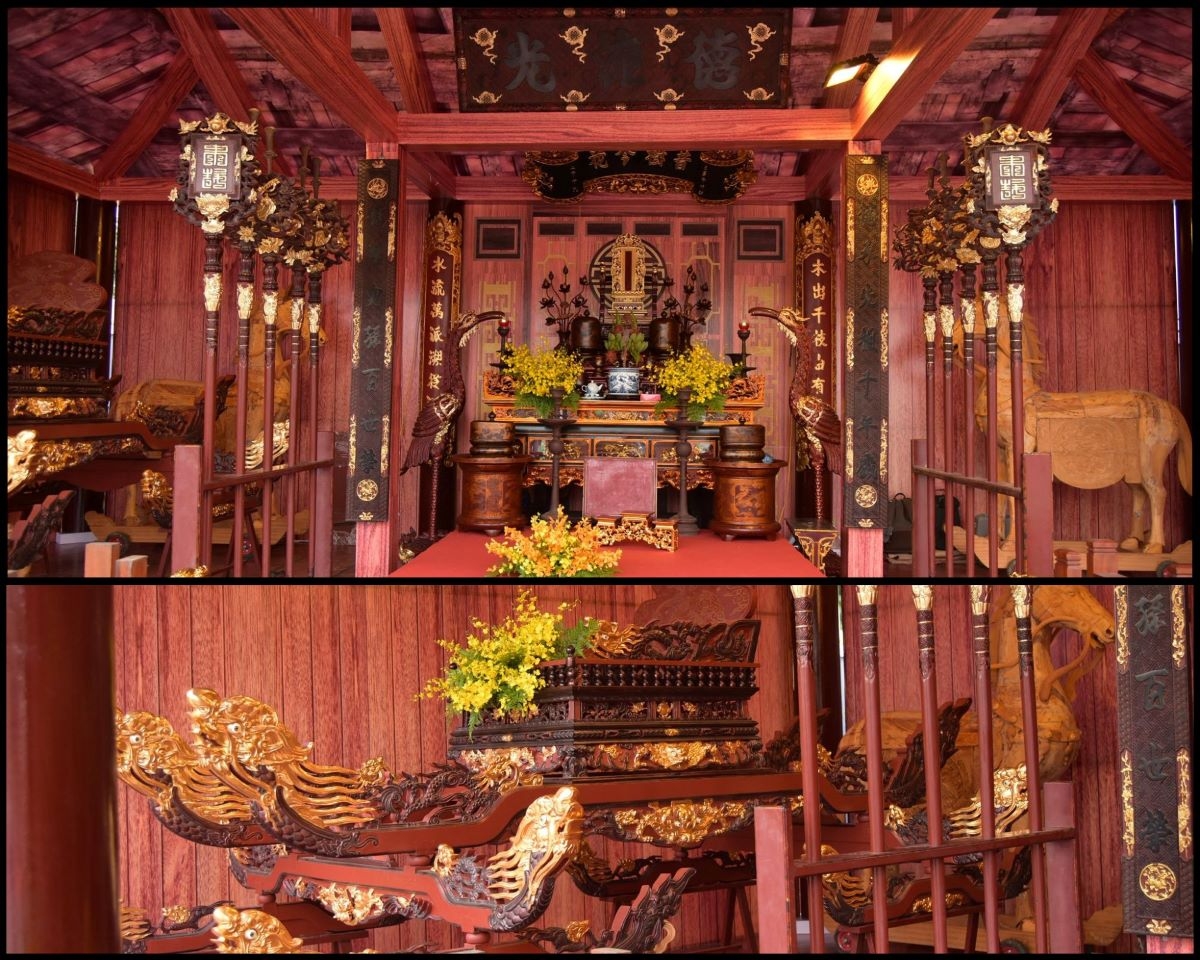
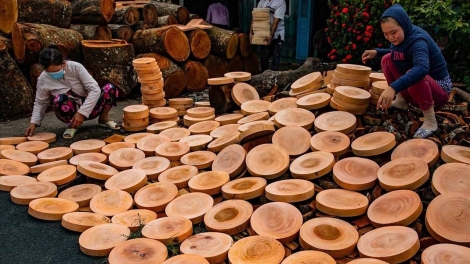
From blocks of jackfruit wood, artisans carve statues with spiritual depth and vivid expression. Creating such masterpieces requires technical mastery, years of experience, and profound knowledge of Buddhist culture, folk beliefs, and folk tales.
As global integration accelerates, local craftsmen have continuously refined their designs and studied market trends to expand their exports, bringing the village’s artistry to international audiences.
Nguyen Viet Huan, Chairman of Son Dong’s Association of Artisans and Skilled Workers, said that Son Dong has a sculpture and statue-making tradition that stretches back thousands of years. “While preserving our ancient heritage, we must also adopt advanced technologies to create products that meet market demand. Applying modern techniques and creative designs helps us satisfy the strict quality standards of international handicraft markets.”
Son Dong is home to around 1,700 craft households, nearly 70% of all households in the commune. The village, one of Hanoi’s major handicraft production hubs, generates an estimated annual revenue of 26 million USD.
Cao Van Tam, Deputy Chairman of the commune People’s Committee, said that for local residents, preserving the craft means protecting both livelihoods and national cultural identity.
“Local authorities have implemented targeted programs and plans to preserve and expand the craft village, especially its traditional Buddha statue carving. Joining the global creative craft network marks an important step in developing the village in this new era while promoting the image of our locality and products both domestically and internationally,” said Tam.
Son Dong’s products serve the spiritual and religious life of Vietnamese people and are exported to demanding markets such as Japan and South Korea.
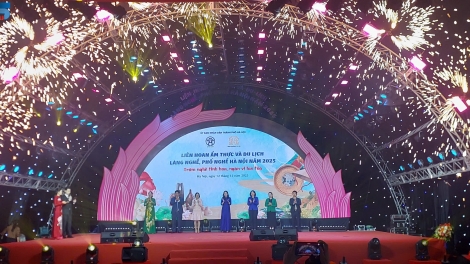
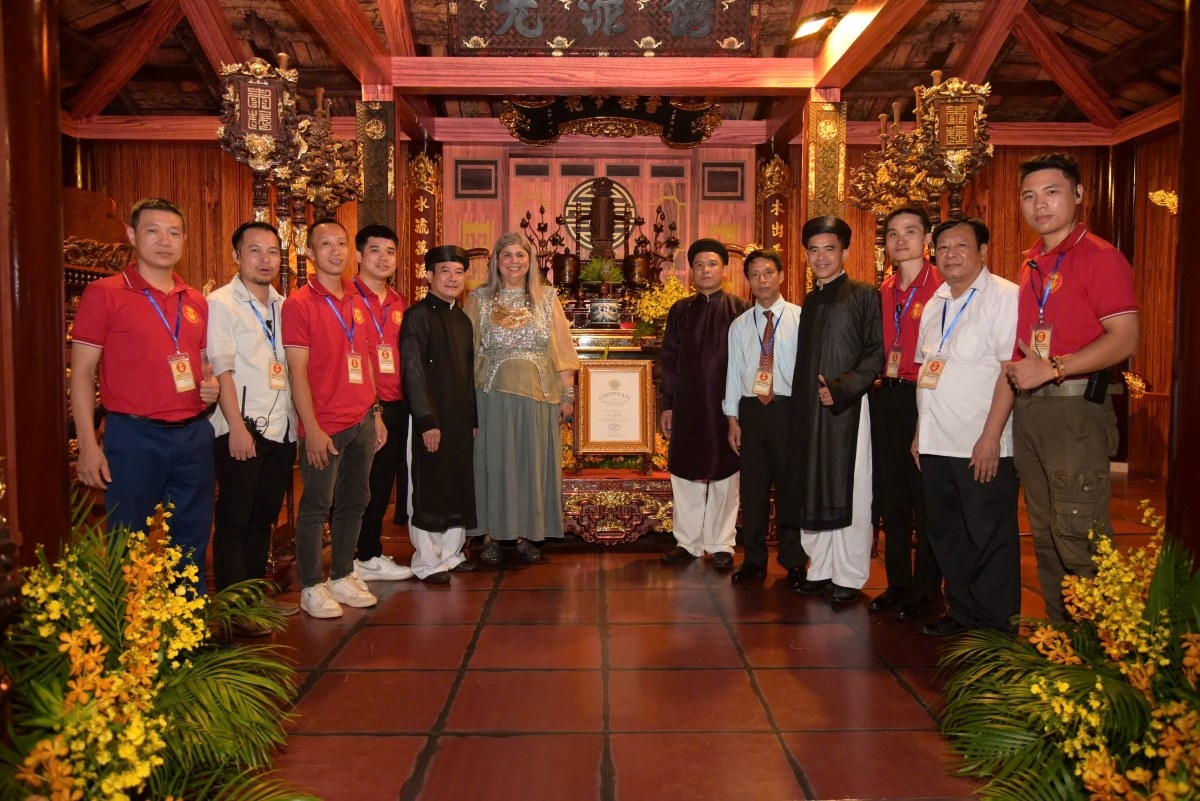
The village’s official admission to the World Creative Craft Cities Network early this month is expected to unlock new opportunities for trade promotion, brand development, and raising the global value of Vietnamese handicrafts.
Nguyen Dinh Hoa, Deputy Director of Hanoi’s Department of Agriculture and Environment, said, “The World Crafts Council has recognized both Chuyen My mother-of-pearl inlay village and Son Dong lacquer sculpture village as official members of the World Creative Craft Cities Network.”
“This is a tremendous honor for Hanoi and for Vietnam as a whole. Under the city’s craft village preservation and development project through 2030, we are integrating production activities with rural and craft village tourism,” said Hoa.
One of Vietnam’s oldest traditional craft villages, Son Dong is now bringing Vietnamese craftsmanship to the world. By preserving cultural heritage while embracing technology and creativity, the village is emerging as a distinctive cultural and tourism destination.