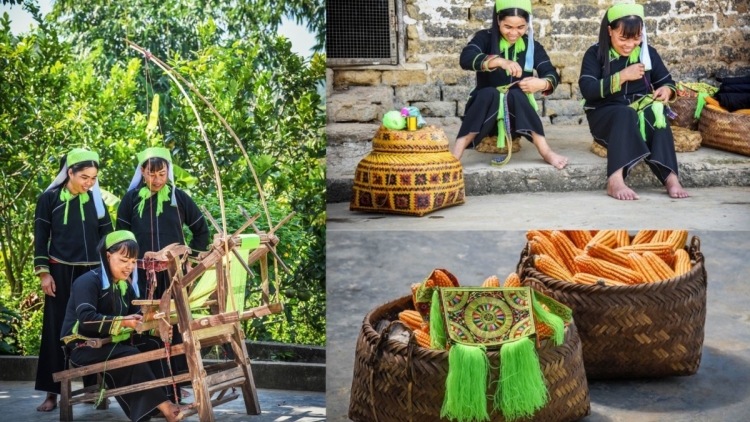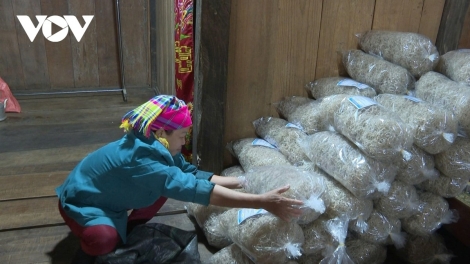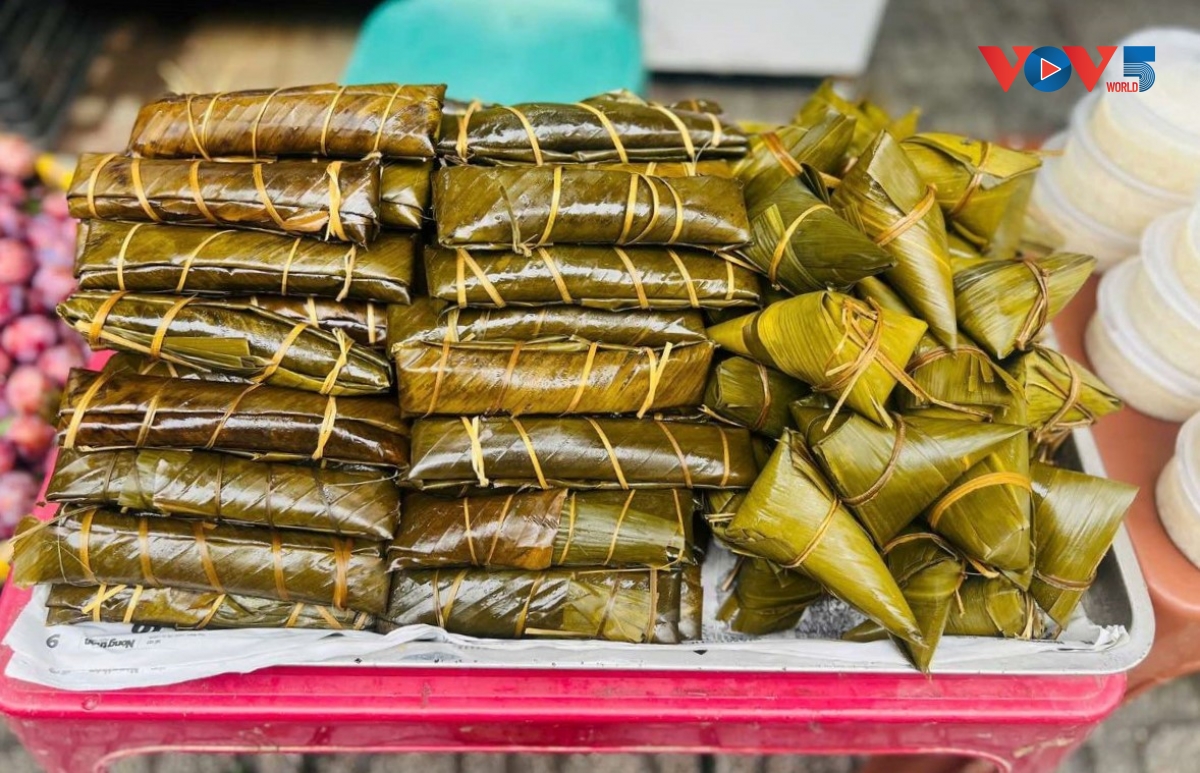
For elderly people, a steaming pot of ash cakes during festivals, Lunar New Year, and full-moon days is an unforgettable memory. In the past, when life was much harder, ash cakes prepared as ancestral offerings were also a special treat that children eagerly awaited.
"When I was young, we made ash cakes for our ancestral worship. Nowadays, most people buy them at the market. Back then, ash cakes were the main treat as we didn't have sweets and confectionaries as we do today. My family still makes ash cakes every year to preserve our tradition," said Nong Thi Ben of Thach A commune.
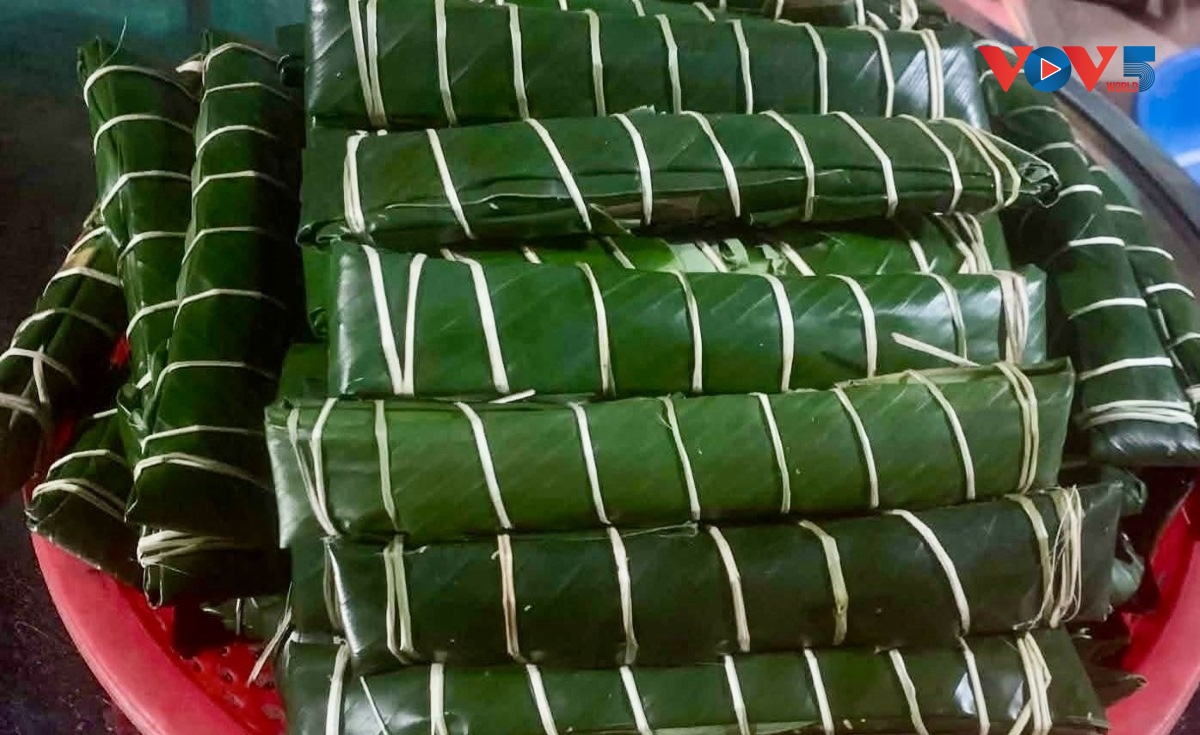
The 5th lunar month, when lychees and plums begin to ripen, is when the Tay and Nung people in Cao Bang celebrate the Pest-Eliminating Festival. Families gather chit leaves, a type of bamboo, and burn them to produce the ash water used to make ash cakes. Other offerings on the ancestral altar include fermented glutinous rice, plums, lychees, and other seasonal fruits.
According to folk beliefs, this seasonal transition is a time when insects and pests become more prevalent. The Pest-Eliminating Festival is therefore observed as a ritual to ward off disease and misfortune while praying for good health and abundant harvests.
"Customarily, the offerings must include ash cakes, fermented glutinous rice, plums, and lychees. Better-off families may prepare a savory feast. Since this is the Pest-Eliminating Festival, sour fruits, especially plums, are essential. Our elders taught us that each person should eat two or three plums early in the morning to eliminate parasites and intestinal worms," said Tran Thi Tien of Bao Lac commune.
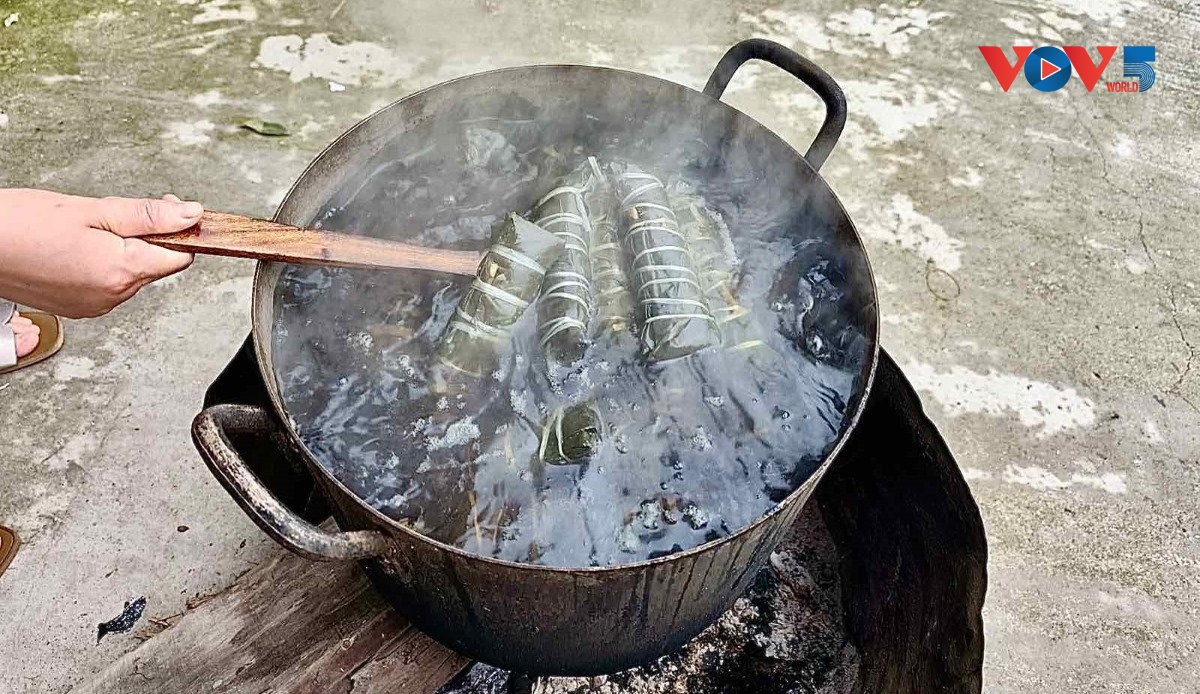
From making ash cakes and preparing offerings to understanding the meaning behind each dish, these activities are the first cultural lessons learned by the younger generation.
"Our grandparents taught us to make ash cakes. All of my children and grandchildren know how to make ash cakes and join the family in preparing them for the annual festival," said Dinh Thi Huynh of Thuc Phan ward.
As life has evolved, the way the Tay and Nung people celebrate festivals like the Pest-Eliminating Festival has also evolved. Most rural families still make ash cakes, ferment glutinous rice, and prepare other traditional offerings at home. In urban areas, however, a busier lifestyle has led many families to buy ready-made cakes and offerings at the market. Whether the offerings are homemade or purchased, the important thing is to make sure children understand the significance of the festival, said Nong Thi Thom of Thuc Phan ward.
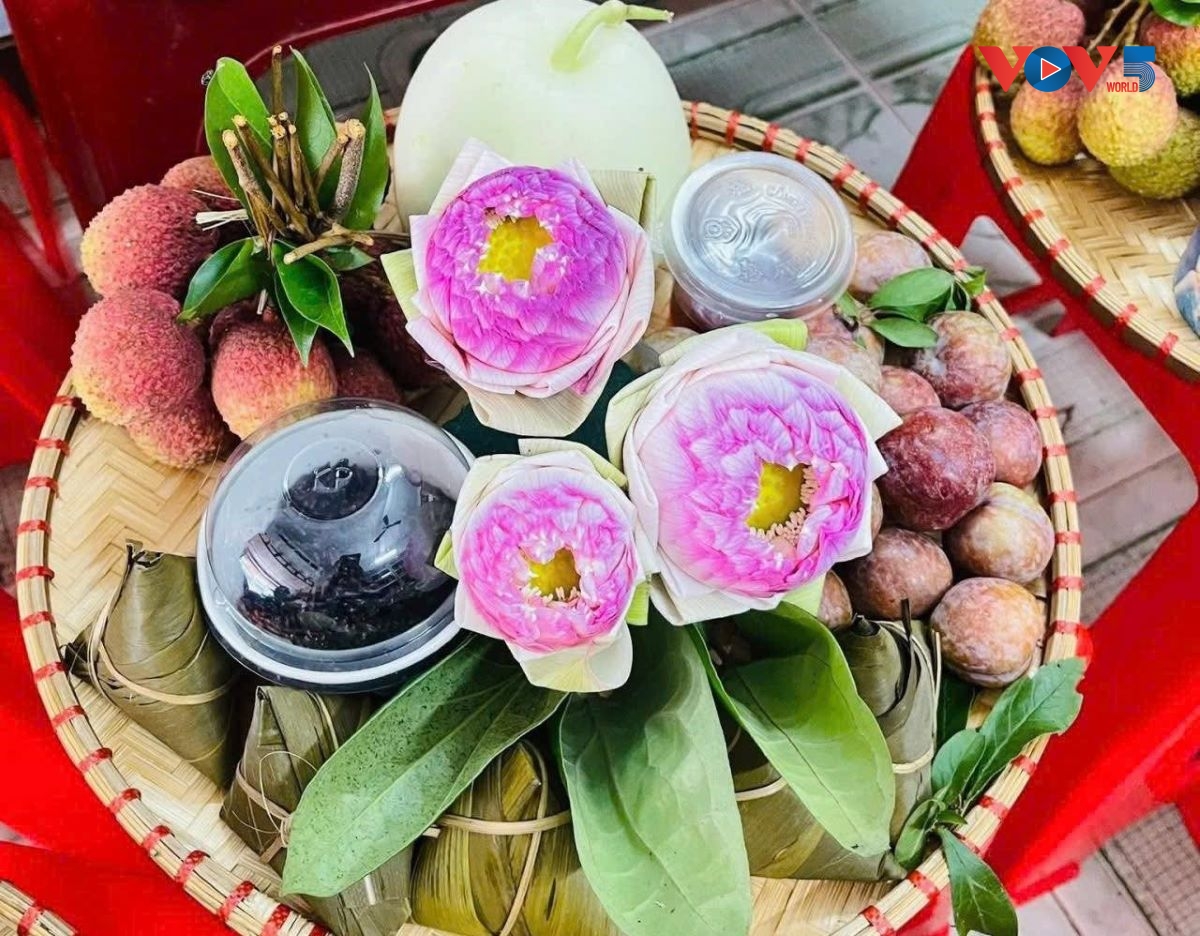
"In villages, the elders still make ash cakes and fermented rice. A few days before the festival, they pick leaves and prepare glutinous rice to make the cakes. The elders also teach their children how to prepare worship offerings. In the city, people are busy with work and no longer cook over wood-fired stoves, making it difficult to burn leaves for ashes to make the cakes. They buy cakes and fruit at the market, so their children still know about the traditional festival," Thom added.
Although the way people celebrate may change over time, the values of gratitude to the ancestors, family unity, and hopes for a peaceful, healthy year remain deeply rooted in every Tay and Nung household in Cao Bang province.