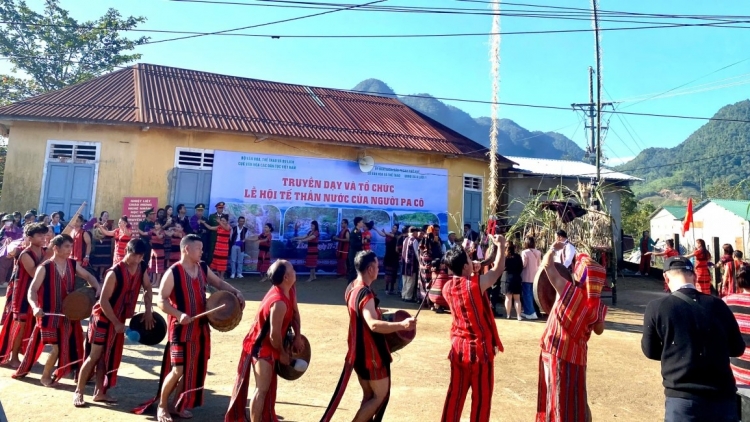




A Rieu Ar Puc is a venue where justice is administered through the wisdom of village elders and long-established customary rules deeply embedded in community life. Before state law reached the highlands, these traditional practices played an important role in maintaining social order, resolving disputes, and strengthening bonds within villagers. The A Rieu Ar Puc session is organized as a large-scale community reconciliation festival.
“The Ar Puc session is held to resolve conflicts related to people's daily lives, including romantic matters, land and housing disputes, and other disagreements. When families cannot settle conflicts on their own, village elders and representatives from neighboring villages gather to discuss, reach consensus, and reconcile the parties involved,” patriarch Le Tuan Mo of Ke Re hamlet, Hue city, said.
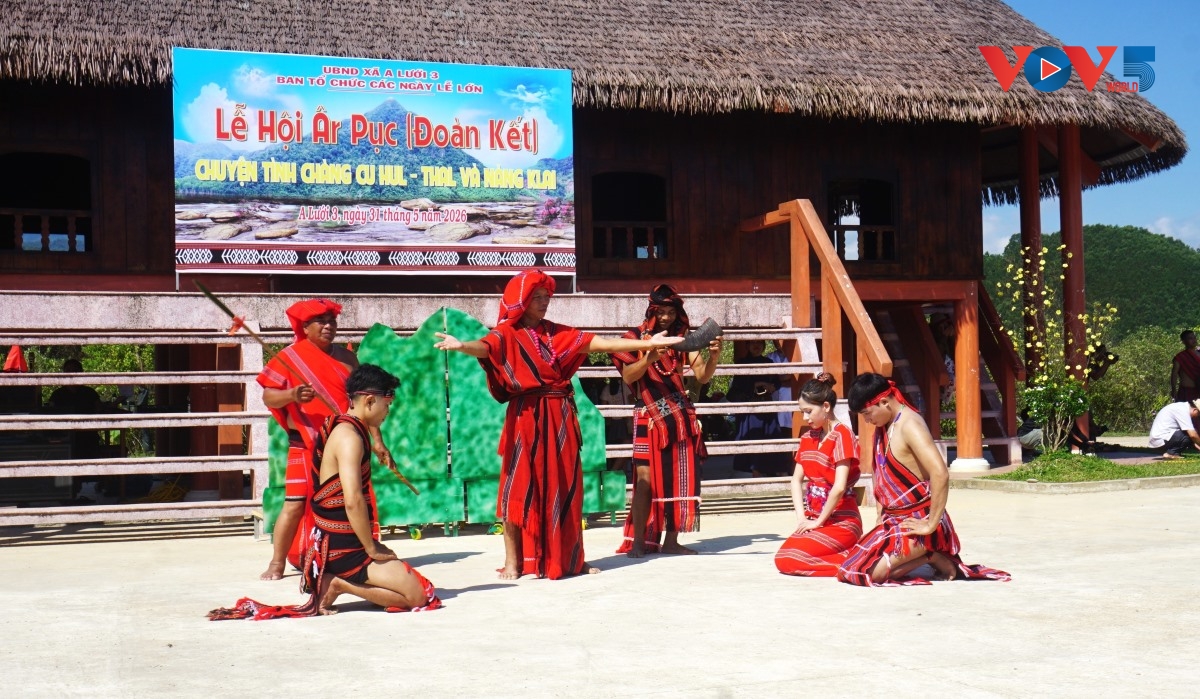
What makes A Rieu Ar Puc distinctive is the objectivity and democratic nature visible throughout the adjudication process. A respected individual who has no connection to the case is selected to preside over the proceedings, ensuring fairness for all parties.
The festival unfolds through a series of carefully structured procedures, from preparing offerings to forming a council of respected village elders who analyze, discuss, and deliberate on the matters. Participants express their views in simple yet persuasive language, sometimes incorporating familiar folk songs. After listening to all opinions, the council of elders deliberates and delivers a final decision.
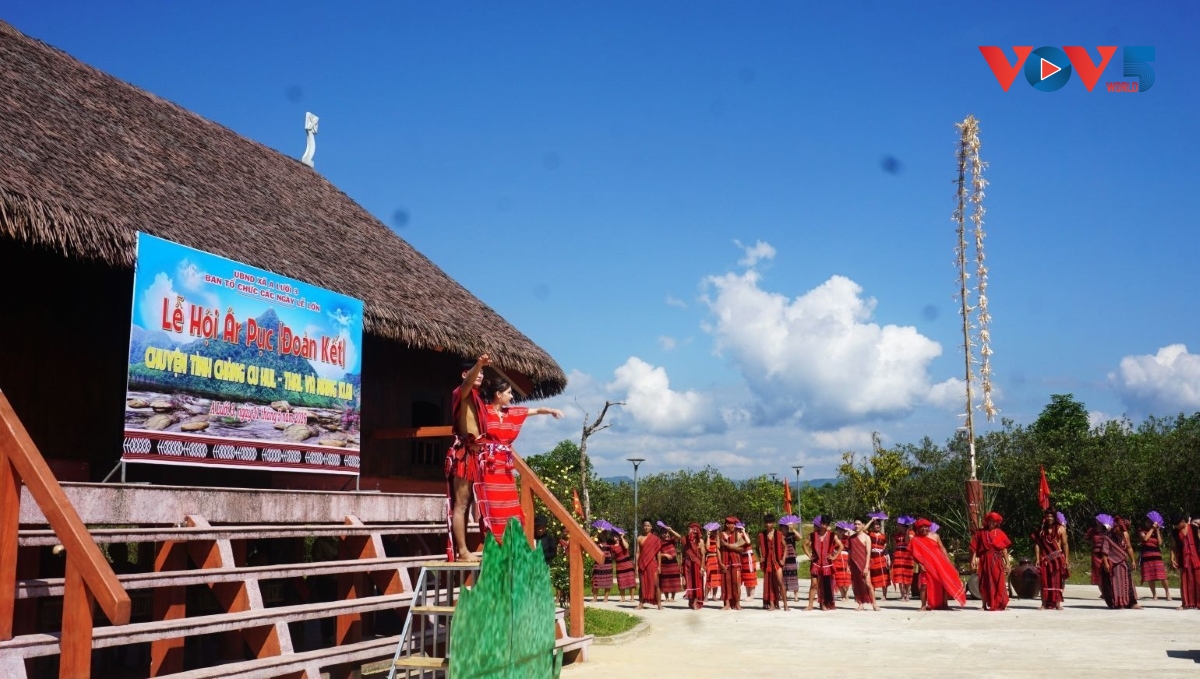
The purpose of A Rieu Ar Puc is not punishment, but reconciliation. The analyses and advice offered by the elders embody a philosophy that values tolerance, compromise, and responsibility toward each other. Above all, the Pa Co people seek to preserve solidarity within their villages.
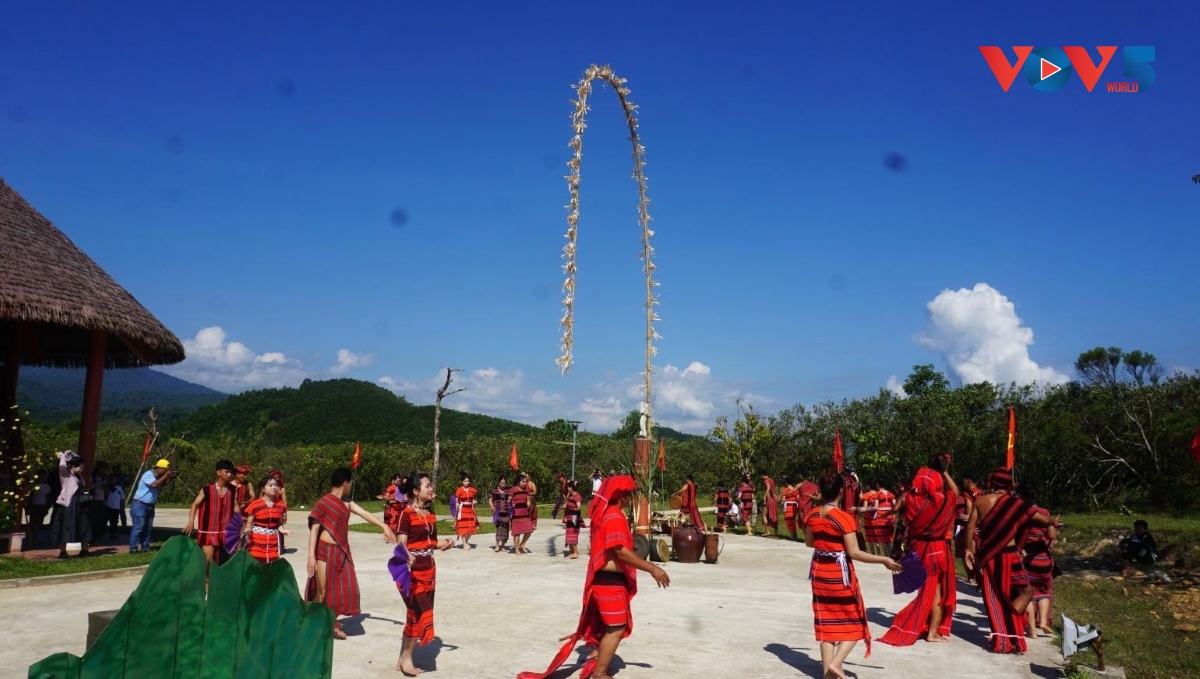
Once all parties accept the verdict, a commitment ritual is performed. In the past, when the Pa Co had no written script, small bamboo tubes were used as evidence of their promises. These bamboo tubes became symbols of honor, responsibility, and trust before the community. Today, alongside efforts to preserve traditional culture, the A Rieu Ar Puc festival has been revived and introduced to a broader audience.
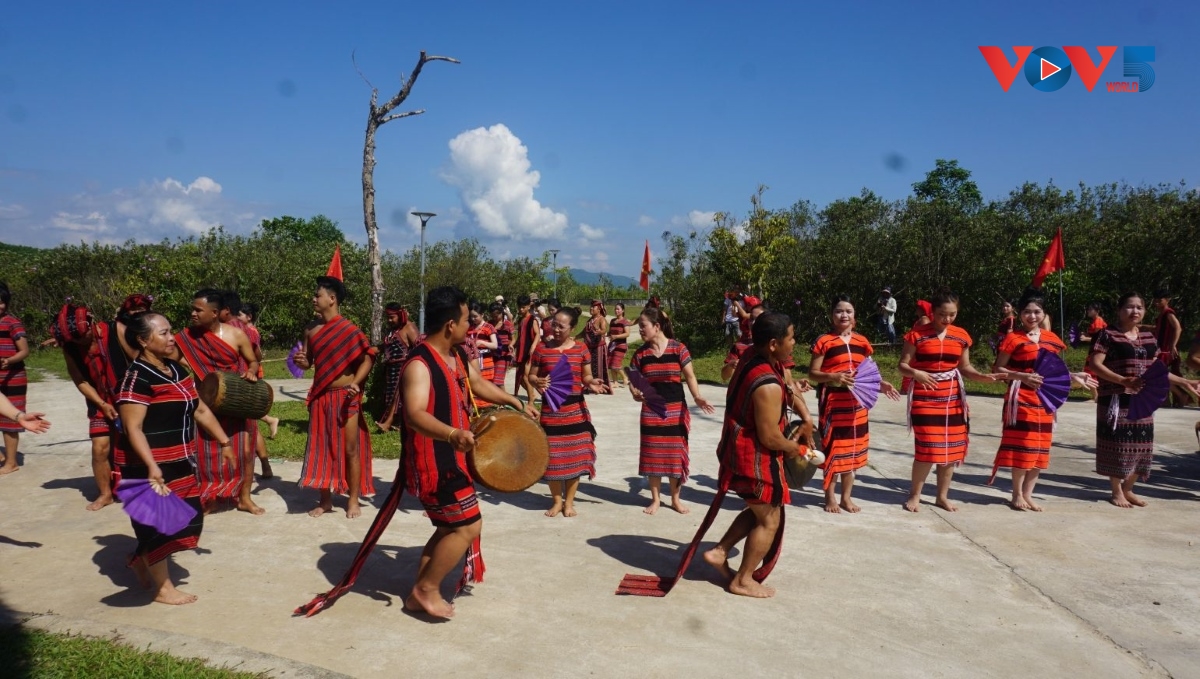
“The reenactment of the Ar Puc festival aims to introduce the Pa Co people’s cultural essence and customary legal traditions to local young people and visitors. People can better appreciate and understand its values after attending it,” artisan Ho Thi Tu said.
In the past, the Pa Co people marked the successful resolution of disputes with a buffalo-sacrificing ritual to give thanks to the deities and celebrate reconciliation. Today, in line with modern social practices, the ritual itself is no longer observed. Instead, community members celebrate with traditional dances and songs accompanied by the sounds of gongs and drums, expressing their joy and unity.
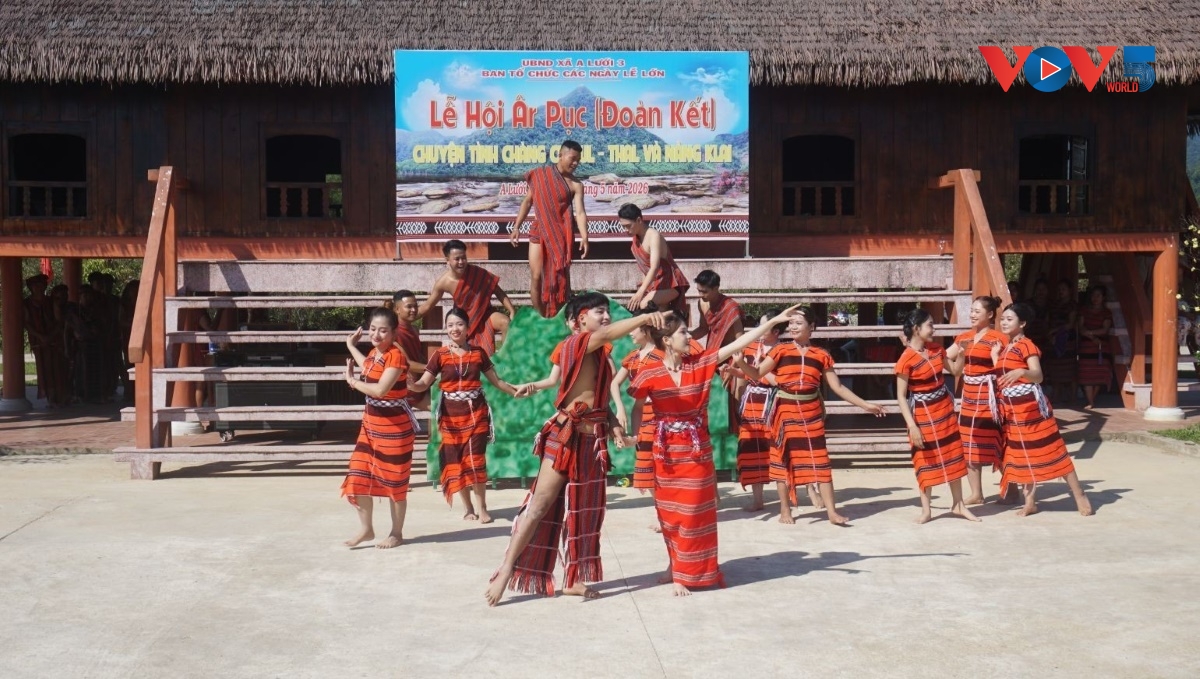
“We will support localities to organize famtrip delegations to research the reenactment of traditional festivals for tourism purposes. I believe that if these festivals are properly preserved, they will spread widely throughout the community and become excellent tourism products,” said Director of the Hue Department of Culture and Sports, Phan Thanh Hai.
Although life has changed considerably, the core values of A Rieu Ar Puc remain a vivid testament to the spirit of justice, solidarity, and humanity that has been nurtured for generations in the Truong Son mountains.