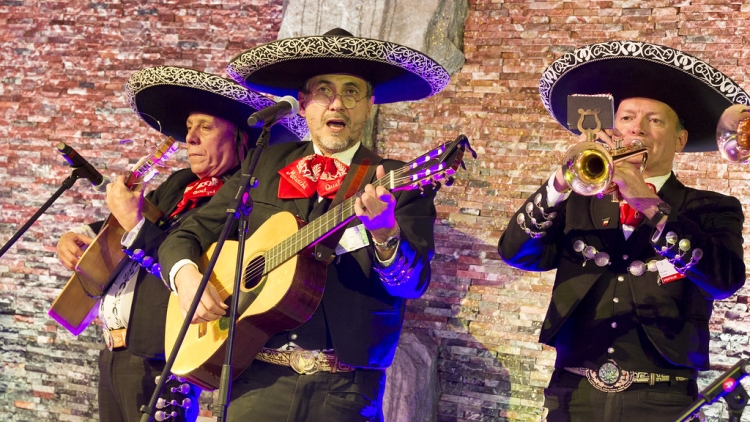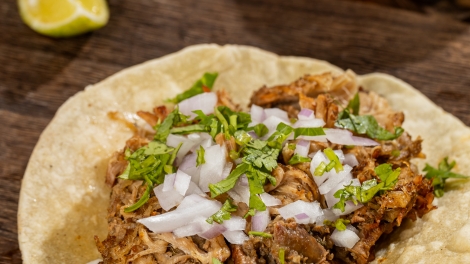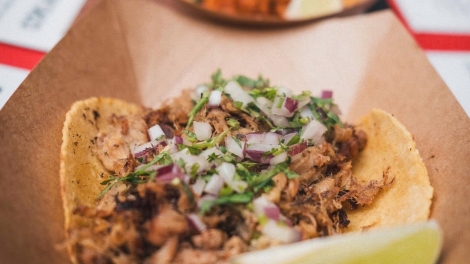




Patricio Muñoz is among those who have noticed the change. The Mexican professional, who has lived and worked in Hanoi for nearly two years, says authentic Mexican food was once hard to come by in the Vietnamese capital, but the situation is steadily improving.
“Here in Hanoi, it's difficult to find restaurants that have authentic Mexican food. Before, you could find some kind of Mexican places, but they were more like Texmex or tropicalized stuff, you know. But a mix is not really authentic. But in recent years, more countries have had authentic food, including Vietnam. I think from now on, we’ll see more offerings of authentic Mexican food like we see in other countries," Patricio told VOV.
The gap between “localized” imitations and the authentic flavors of Mexico is finally being bridged, giving diners in Hanoi a long-awaited taste of a UNESCO-recognized culinary tradition.
The golden seal of authenticity: What is Sello M?
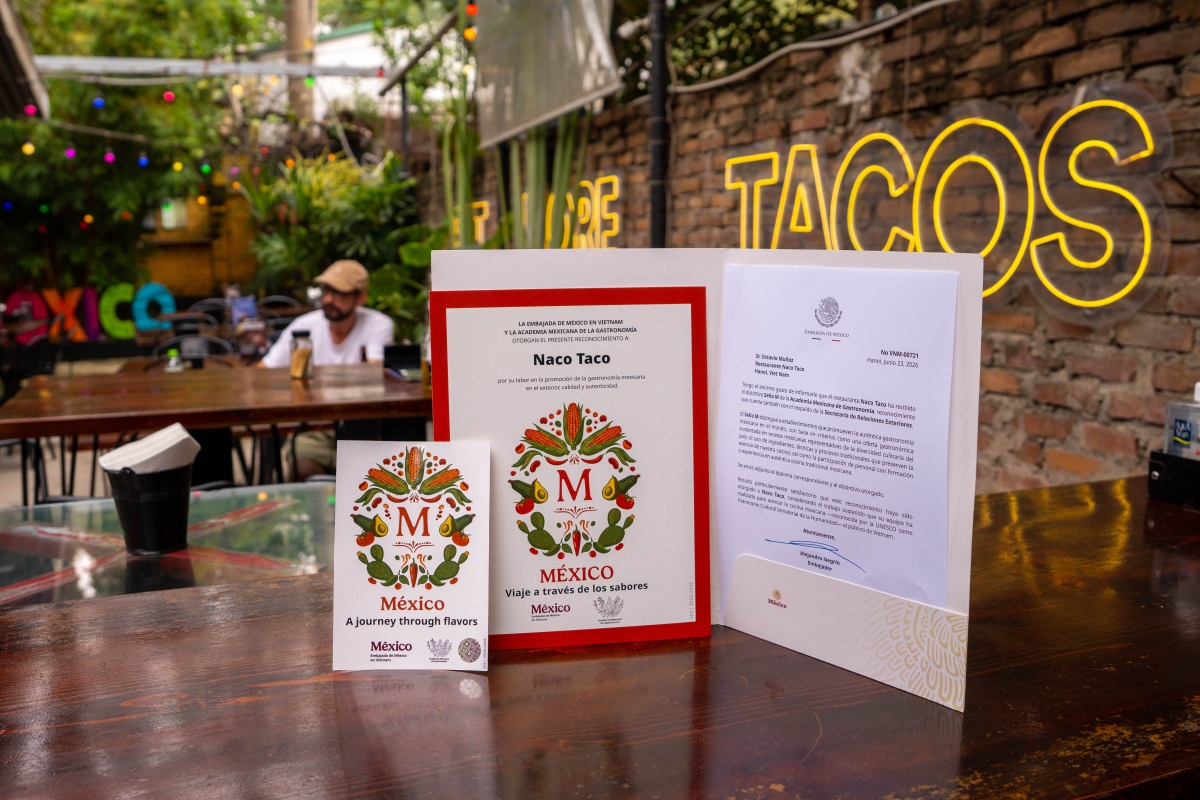
Behind this culinary shift is the "Sello M" certification, a recognition awarded by the Mexican Academy of Gastronomy to only 3 restaurants in Vietnam: Naco Taco in Hanoi, Cielito Lindo in HCM city, and Mexican Choice in Da Nang.
Sello M is a rigorous benchmark of authenticity designed to preserve and promote Mexican cuisine, which has been declared a UNESCO Intangible Cultural Heritage of Humanity. Mexican Ambassador to Vietnam Alejandro Negrín Muñoz said that, to receive this seal, establishments must pass rigorous criteria.
“The restaurants and businesses must obtain at least 2 years in operation; a menu based on Mexican recipes that reflects our cultural and culinary diversity; Mexican recipes using traditional Mexican ingredients, techniques, and processes, or local equivalents while preserving the essence of the dishes; and finally, qualified staff, with no nationality restrictions. They may or may not be Mexican, but there must be at least one person, a chef or cook, with knowledge and or experience in authentic traditional Mexican cuisine,” he said.
More than a restaurant: Octavio’s vision of community
The story of Naco Taco began in 2019 when founder Octavio Muñoz moved to Hanoi and found a gap in the market.
“The reason why I decided to invest in a Mexican restaurant is because when I started living here, of course, as a Mexican, I was looking for Mexican food and I realized that the offer that we had wasn't up to standards. It wasn't traditional Mexican food,” Octavio recalled.
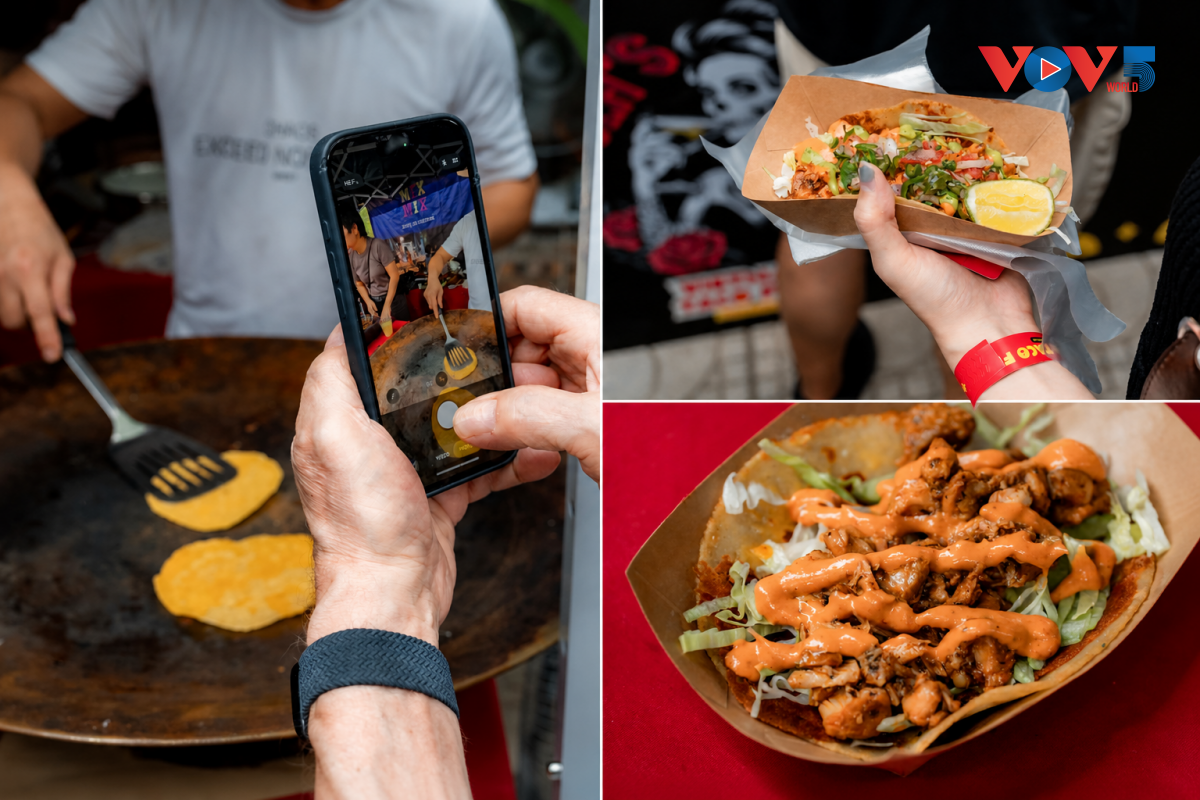
Keen to showcase his hometown heritage to Hanoi, he made a firm decision: no fusion. To maintain this standard, Naco Taco refuses to compromise on ingredients.
“There are certain things that you can’t sacrifice. The first one being the corn flour. The tortillas need the corn flour. Unfortunately, there is no corn flour in Vietnam. Our corn is not really a crop that’s very common in Vietnam. So we import all of our corn from Mexico. The second thing, equally important, are the chilies. In order to be 100% traditional, you can’t change the chilies. You know, chilies are the base of Mexican cuisine,” Octavio said.
He noted that 90% of his recipes use imported Mexican chilies because they offer a unique "internal flavor" that goes beyond mere spiciness. For Octavio, the mission was never just about business; it was about building a bridge between Vietnamese and Mexican culture.
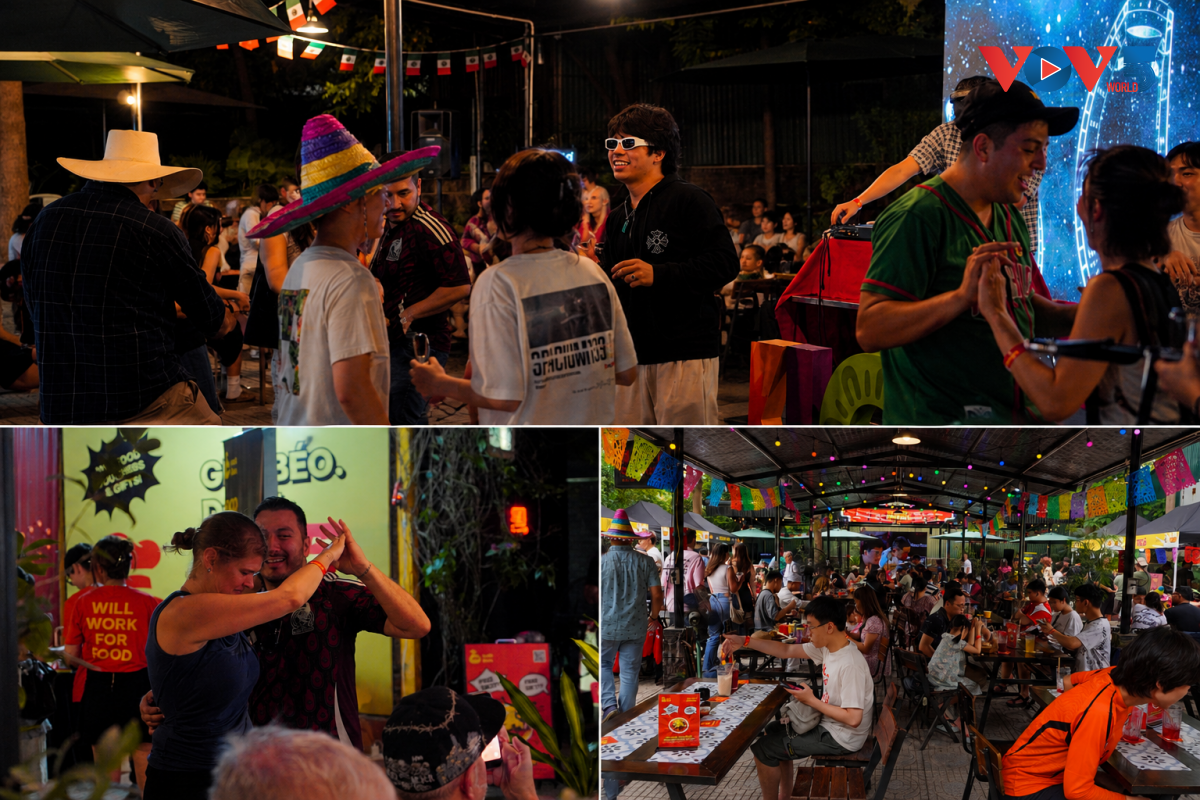
"We were never looking for recognition. But it really goes hand-in-hand with what we’ve been building for the last six years, which is basically community-driven. We're not just building a restaurant,” said Octavio, adding, “We're building a community. We do this through a whole ecosystem of restaurants, festivals, events, working with the embassy, working with universities. I am a lecturer myself in British University Vietnam. We're trying to connect hospitality management education with cuisine.”
The quest for authenticity
The kitchen is led by chef Pham Thi Ngoc Diep, who trained in Norway but found her true calling in Mexican cuisine. She said maintaining the Sello M standard requires an almost obsessive dedication to sourcing.
Because, as Octavio explained, traditional Mexican corn flour and dried chilies—the "base of Mexican cuisine"—are not available in Vietnam, Naco Taco imports them directly from Mexico to ensure the flavor is 100% authentic. Diep said dedication to these standards is non-negotiable.
"To keep the flavor authentic, we’re always prepared for situations like our current suppliers running out of stock. If that happens, Octavio has to fly back to Mexico. And that’s actually happened. Many types of chilies we need are unavailable in Vietnam."
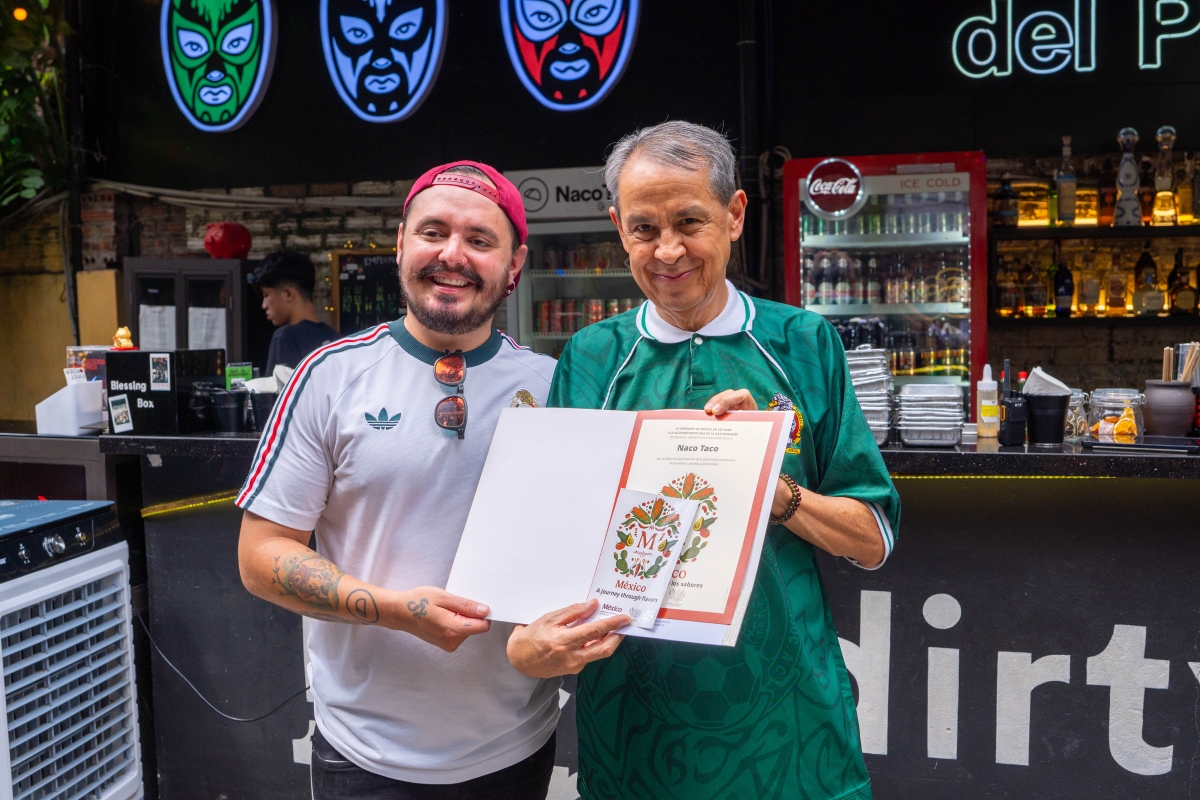
For Naco Taco, particularly the kitchen team, the Sello M certification was an emotional milestone.
"It’s a real compliment after many years of trying to preserve Mexican culture and traditions. That it’s recognized by Mexican people makes it incredibly valuable. It really means a lot. You probably didn't know this, but Octavio actually cried that day—that tells you how important it was to us. The whole kitchen team was there that day. We all felt deeply grateful," Diep recalled.
Sello M and culinary diplomacy
Ambassador Muñoz said Sello M certification is a tool for culinary diplomacy as the certification helps to bridge the 15,000 kilometers between the two nations.
“This is part of a broader process of growing relations between Mexico and Vietnam in all areas, but particularly in trade. And as a part of that growth, we have been seeing a significant growth in Mexican cuisine in Vietnam. What we are observing I think Mexican cuisine in Vietnam looks like a genuine trend. Vietnamese people are really embracing the flavors of Mexico,” he noted.
With the Sello M, the spirit of Mexico is no longer a world away, it is right here in the heart of Vietnam, served with honesty and cultural respect.