







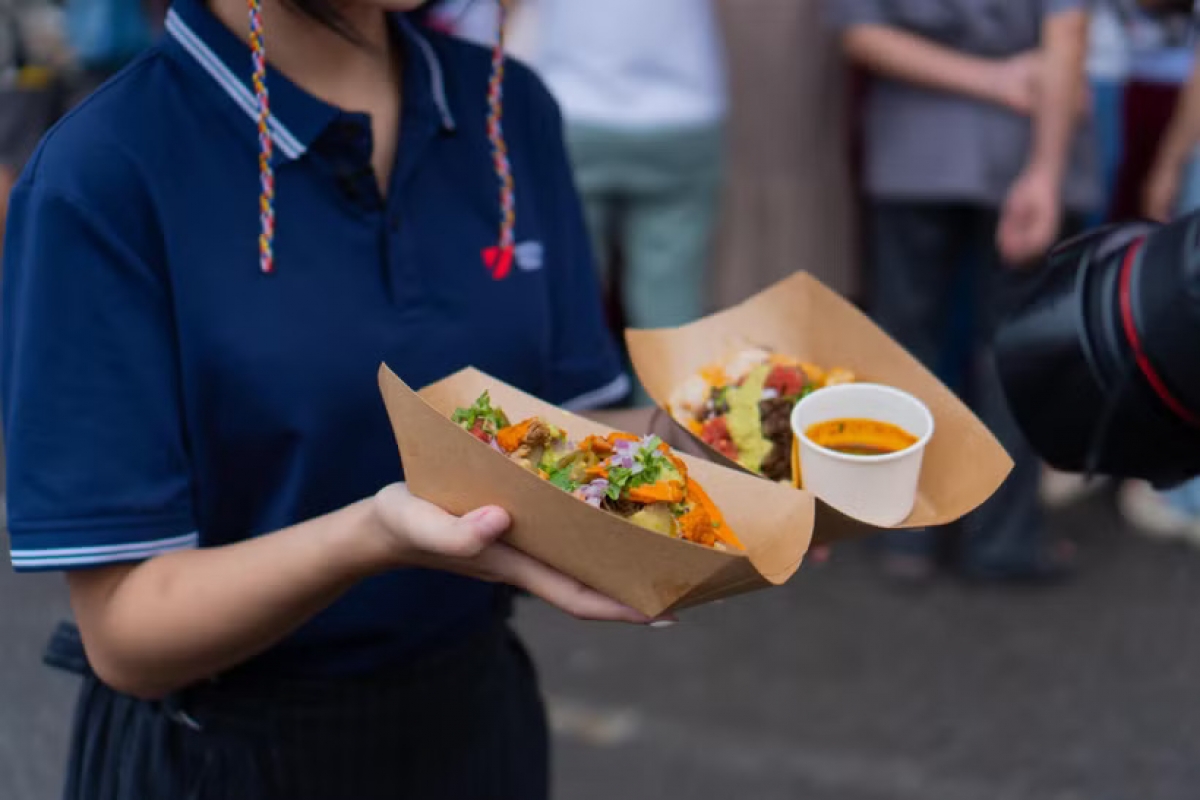
"Mexico is quite similar to Vietnam. In Mexico, that street stall, the puesto de tacos, is at the heartbeat of our economy. Here, you can see every day, Vietnamese eating pho for breakfast... In Mexico, you can see every day, here and there, everywhere, people eating tacos in the street as a lunch," said Ambassador Alejandro Negrín.
When many people think of Mexican food, they picture the crunchy shells and thick cheese of global fast-food chains. But as Ambassador Negrín explains, traditional Mexican cuisine is recognized by UNESCO as an Intangible Cultural Heritage of Humanity.
At its core is a single, sacred ingredient: corn. To understand the authentic Mexican cuisine, you have to understand the Mexican identity, said the Mexican diplomat.
"...We are a country with a very old civilization with many original products that Mexico gave to the world—I’ve mentioned chocolate, vanilla, corn, and many, many, many kinds of chili, specific chilies, a variety of chilies. That's why we use this cultural element of an old civilization. The tortilla is the oldest and most traditional dish in Mexico. It’s been the base of our nutrition for thousands of years. Our ancient book the Popol Vuh says the gods created humans out of corn, so we’re 'people of corn.' Without the tortilla, there is no taco," the Ambassador told VOV.
So, what makes a taco "authentic"? According to the Ambassador, it’s not complexity, it’s a "collaborative balance" of fresh ingredients. There’s the soft corn tortilla, a slow-cooked protein, and what Mexicans affectionately call the ‘jardín’—or the garden—consisting of fresh cilantro, raw onion, and a squeeze of lime.
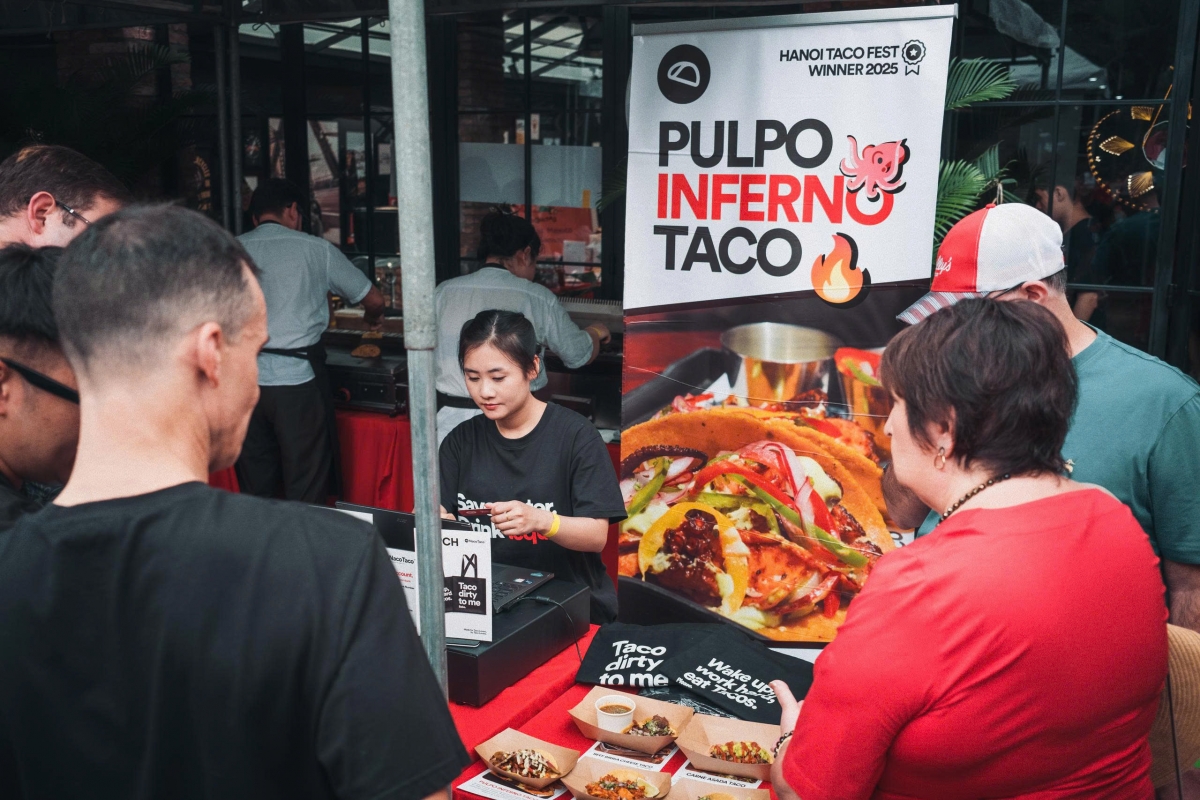
But the real magic lies in the salsa. Unlike the bottled sauces we often see, traditional Mexican salsas are a sophisticated blend of various chilies, such as the smoky Chipotle and the fiery Habanero, balanced with fresh elements.
"Mexican cuisine is quite sophisticated, quite diverse, quite complex... When you see Vietnamese food, it looks very easy. But no, it’s not easy. You talked quite correctly about the balance of the five elements that are often woven into the broth or the marinade, Mexican balance is, I would say, collaborative," according to Mr. Alejandro Negrín.
The "M Certificate": distinguishing tradition from fiction
One of the biggest challenges for Mexican gastronomy in Vietnam has been the prevalence of "Tex-Mex"—a style originating in Texas that often replaces traditional ingredients with yellow cheese and flour tortillas. To protect the integrity of their heritage, the Mexican government has introduced a special designation.
"Now, my government is giving some certificates, called M certificates, to authentic Mexican food restaurants in Vietnam. Some restaurants like Naco Taco and others in Ho Chi Minh have applied, and we’re verifying that they have the conditions for receiving this certificate. And what does that mean? It means that Mexican food is growing in Vietnam," the Ambassador explains.
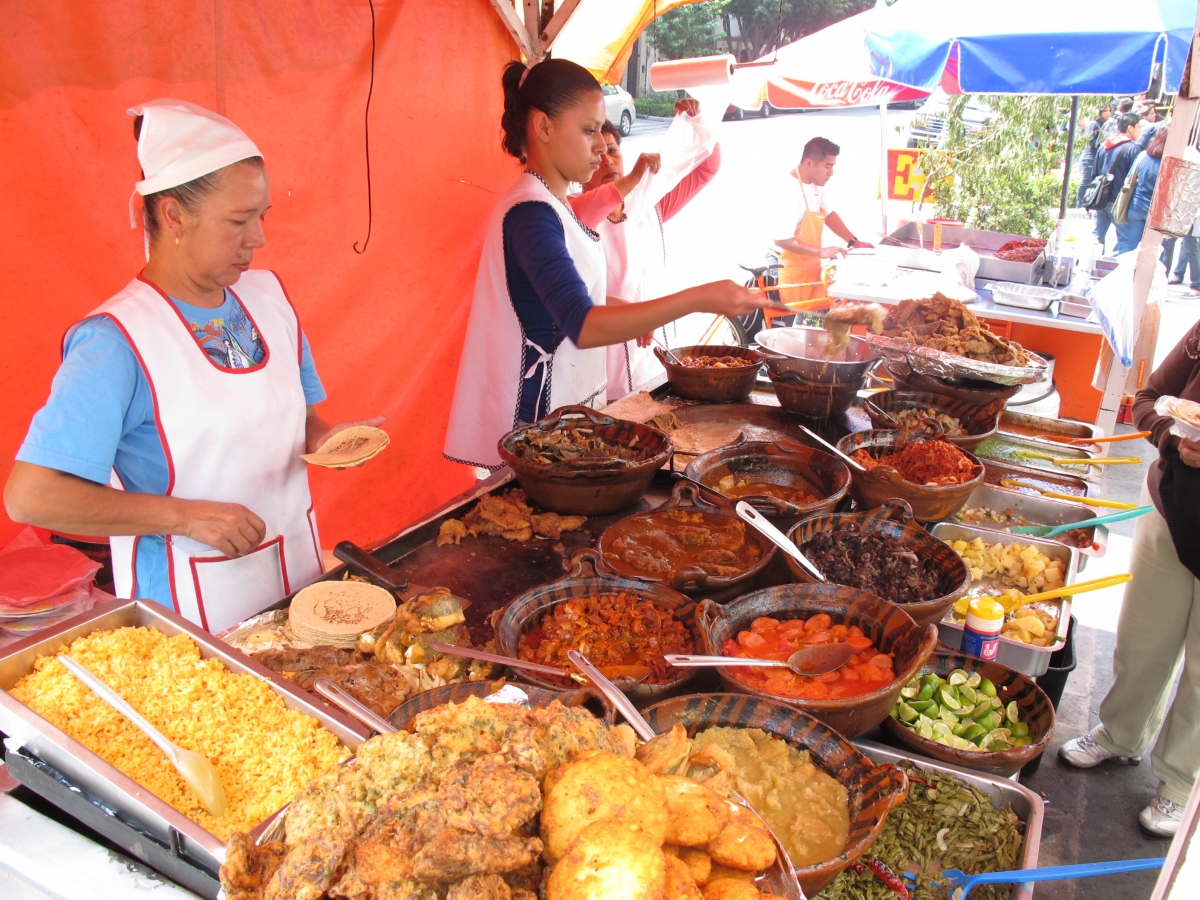
What makes this cultural exchange so resonant in Hanoi is the human element. Just like the family-run stalls in Hanoi’s Old Quarter, Mexican taco stalls are often multi-generational anchors of the community.
"You’ll often see different generations working at one taco stall. The grandmother, who holds the secret recipe, the father handling the grill, and the children learning the business. They’re like very small companies built on resilience, community, and pride. There is a shared ‘street soul’ that you can find in a very similar way in the cities of Vietnam and in the cities of Mexico," said Mr. Alejandro Negrín.
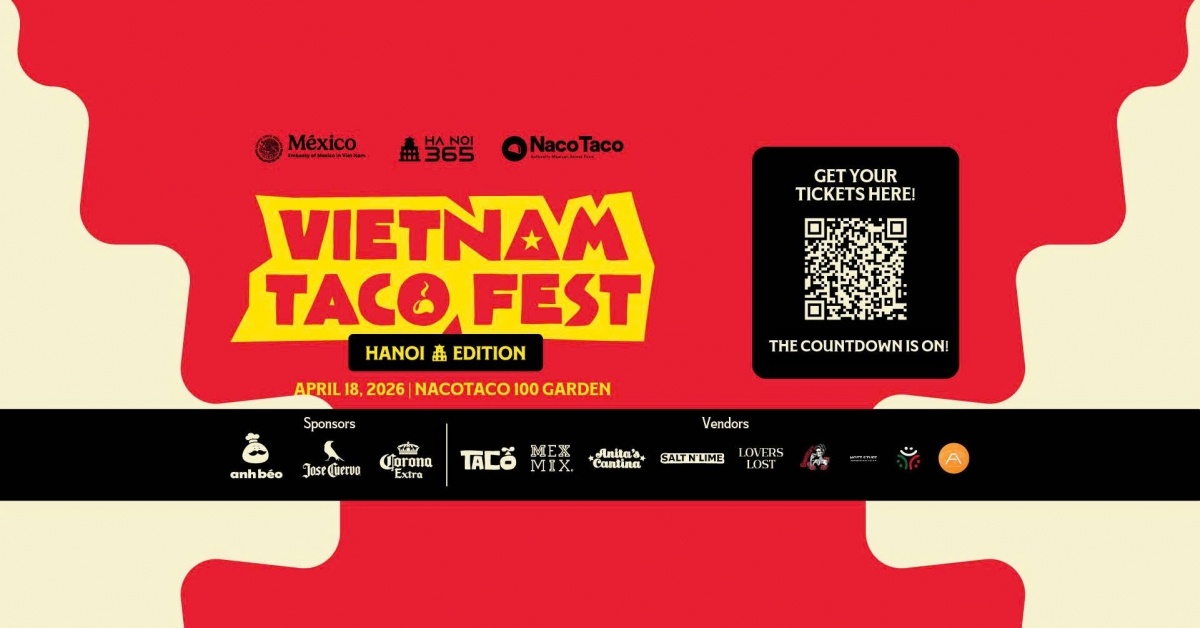
Vietnam Taco Fest Hanoi 2026: a bridge of flavor
To celebrate this connection, the Mexican Embassy is supporting Vietnam Taco Fest 2026 in Hanoi. This is a food fair and a platform for celebration of "gastronomic diplomacy".
Octavio Muñoz, co-founder of NacoTaco, an authentic Mexican restaurant in Hanoi, and a member of the festival’s organizing committee, says that the goal is to create a lasting community in Hanoi.
"One of the most important ideas behind this festival is to build a stronger and more connected Mexican culinary community in Vietnam. Many of the people participating are local chefs, restaurateurs, and entrepreneurs who genuinely love Mexican cuisine, and we want Taco Fest to be a platform that helps them grow together."
He said having local Vietnamese chefs involved is crucial for building a bridge between the two cultures.
"The presence of Vietnamese chefs is very meaningful, because they represent an important connection with the Vietnamese culinary world and help strengthen this bridge between local talent and international culinary culture. At the end of the day, what we want is to bring people together and create something that has a positive impact on the community."
As we’ve learned today, the taco is much more than a folded tortilla. To experience this "street soul" firsthand, head to the Vietnam Taco Fest 2026 this Saturday at Naco 100 Garden on Au Co Street in Hanoi.


