




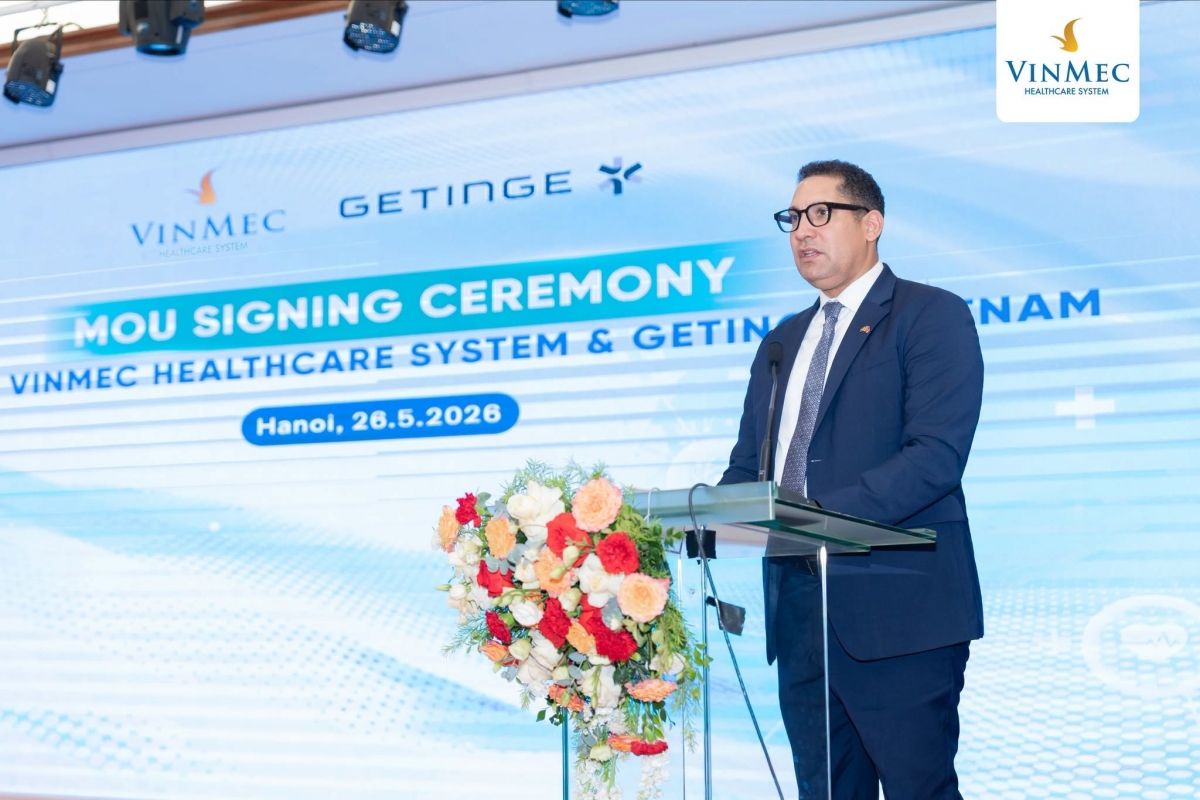
Swedish Ambassador to Vietnam Johan Ndisi spoke with VOV24/7 about the enduring human ties, Sweden's contribution to digital health transformation, and the joint vision for global healthcare.
Sweden-Vietnam Health Week 2026
Sweden–Vietnam Health Week, from November 16 to 18 in Hanoi, Bac Ninh, and Ho Chi Minh City, marks 50 years of health cooperation and commemorates the 1976 groundbreaking of the Vietnam–Sweden Uông Bí Hospital.
The event will bring together healthcare leaders, researchers, and key partners—including AstraZeneca, Ericsson, Getinge, and Karolinska Institute—to advance digital health, precision medicine, hospital modernization, and joint scientific research
Reporter: Mr. Ambassador, thank you for taking the time to speak with VOV24/7 today. My first question is, what makes the bond between Vietnam and Swedend in healthcare so special, and how does that legacy shape relations today?
Ambassador Johan Ndisi: Thank you for the very good question. I think the healthcare sector is particularly important when it comes to the relationship between Sweden and Vietnam. Sweden was the first Western country to establish diplomatic relations with Vietnam in 1969. And this then led to a very large development cooperation program between Sweden and Vietnam, which actually started within the healthcare sector and, in particular, two hospitals, the National Children's Hospital in Hanoi, and the Sweden-Vietnam Hospital in Uong Bi. During the 1970s and 1980s, Swedish development assistance accounted for 60% of total development assistance received by Vietnam. So we have a major footprint here and the major cooperation here in Vietnam, which started with healthcare. This ofcourse has provided a fantastic foundation. Today, in 2026, we are able to look back and say that we've cooperated in healthcare for more than 50 years. Trust and close relationships have been built, and many Swedish and Vietnamese colleagues established.
Reporter: What effect does this relationship have in the present day?
Ambassador Johan Ndisi: Today I see close cooperation between Swedish universities and Vietnamese universities. This is built on that trust and relationship. One of those universities, Sweden's top medical university, Karolinska Institutet, is celebrating 50 years of collaboration. They have close cooperation with Vietnamese universities and are doing joint research with Vietnamese researchers and presenting joint papers on global health.
Reporter: Sweden is known for its strong public health system. As Vietnam copes with an aging population and chronic diseases, where can Swedish expertise add the most value?
Ambassador Johan Ndisi: Like many countries, the healthcare system in Vietnam is constantly modernizing, constantly adapting to the new situation, whether it's an aging population or other things. I see this as a good foundation for Sweden and Vietnam to work together. Also this research collaboration that we're seeing has to do with finding solutions to modern-day problems. 60 Vietnamese doctors have obtained their PhD at Karolinska Institutet. This creates a great foundation for Vietnam moving forward.
Reporter: How can digital technology propel our healthcare partnership forward?
Ambassador Johan Ndisi: Sweden is ranked second in the world globally when it comes to innovation. Many big companies and startups are working on healthcare sector and medical solutions etc...
There's a reason why the European Centre for Disease Control and Prevention, which works for the whole of the EU, is based in Stockholm. It's because we have a very very strong life science sector. And it's also a way for Vietnam to tap into the strengths we have in our innovation system.
One good example is digitalization. In Sweden, if you go to a doctor and need a prescription, 99% of the prescriptions are digital. It's because we have digitalized our healthcare system, which means that you can move information fast and you can have modern systems in place and focus on the true needs.
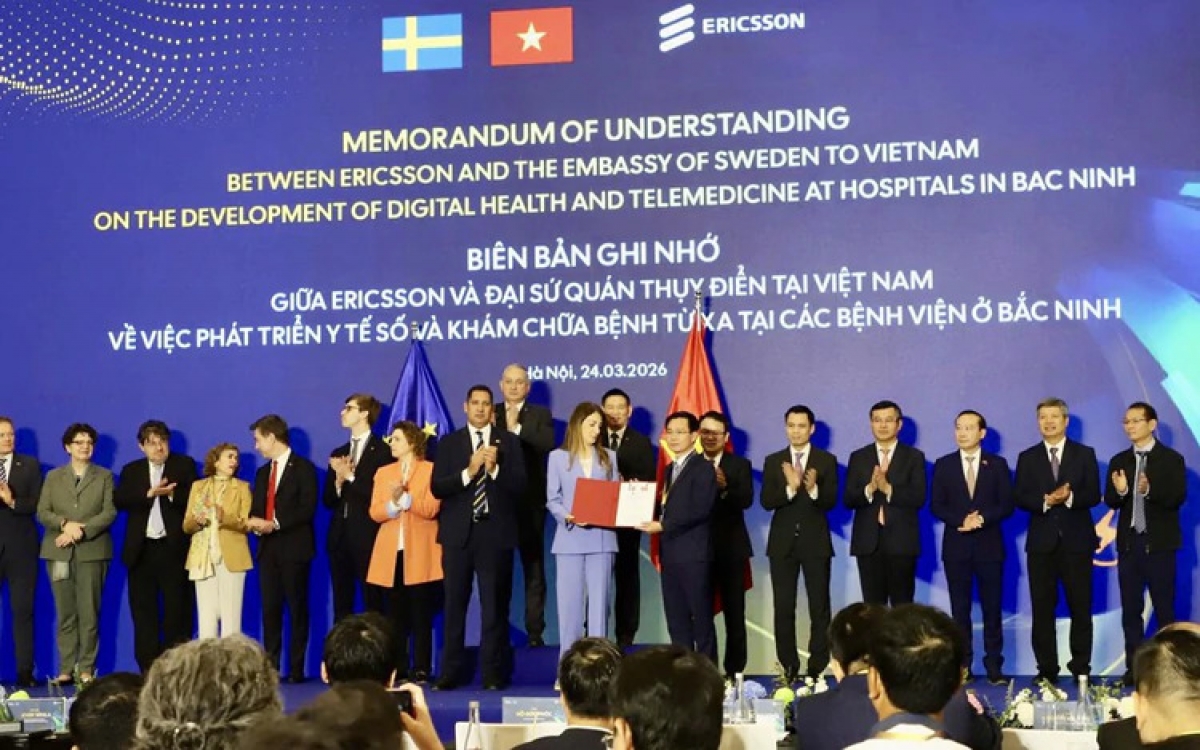
Reporter: Are any digital health projects currently being conducted in Vietnam?
Ambassador Johan Ndisi: In Vietnam, Ericsson who is working in healthcare provides a safe and trusted network which will be the backbone for the whole digitalization of the healthcare sector. In Bac Ninh, for example, Ericsson and many of the Swedish companies that I mentioned are working with local authorities there to test-case how to digitalize hospitals and use digital solutions. So from the network as such to the application in the hospital, with a safe, trusted network and digital methods, it's possible today to have a doctor operating on you using equipment that might not even be sitting in the same country.
Reporter: How vital are direct people-to-people ties in driving this 50-year partnership into the future?
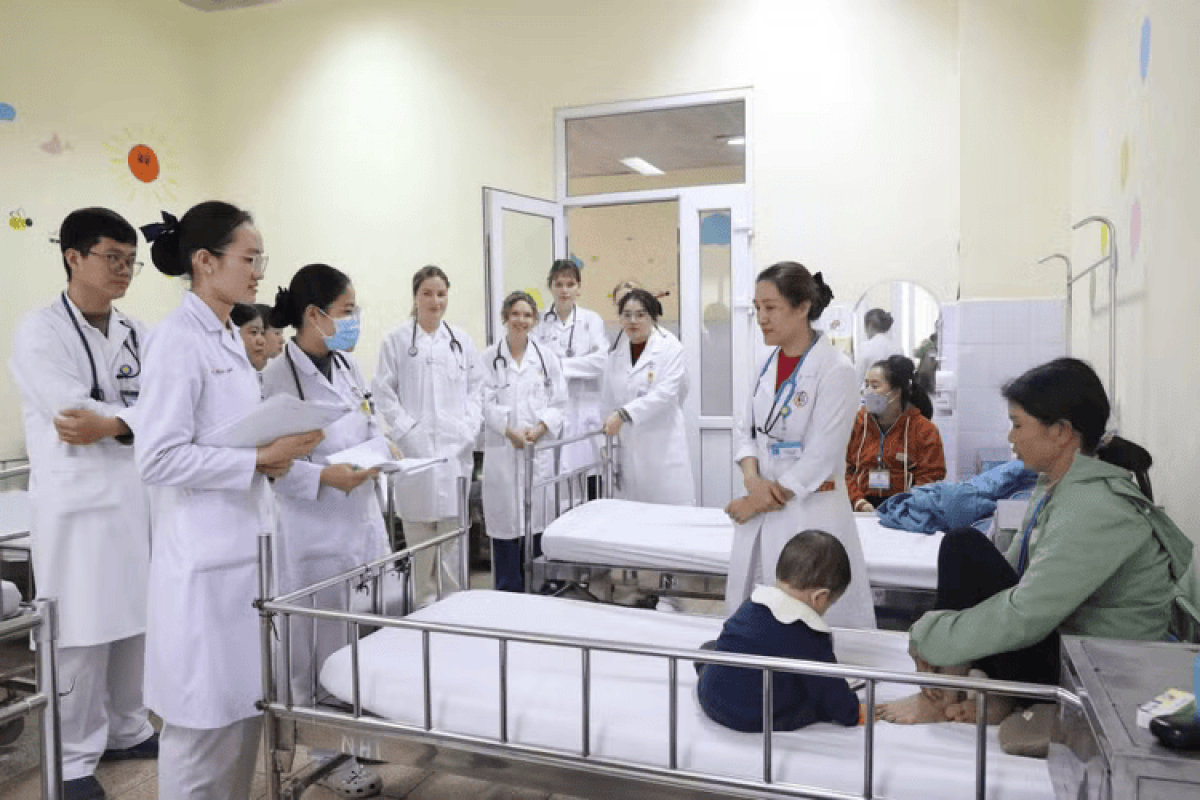
Ambassador Johan Ndisi: That's a very good question. I think the human people-to-people aspect is really the foundation that will move us forward, the heart of the matter. The healthcare cooperation that we've had has lasted more than five decades, and has seen many ambassadors and many different ministers. That shows that government-to-government relations are good, but what's actually driving it forward is the people-to-people connections that have been made.
The history of Sweden and Vietnam in the healthcare sector – building hospitals and working together in hospitals, having Vietnamese doctors doing their PhD in Sweden, Swedish doctors working here in Vietnam at universities and hospitals, doing joint research, not for Sweden and Vietnam, but for the world, and trying to find solutions to global healthcare issues. I think this is an incredible development. This is very much built, not on me as an ambassador signing an MOU. We have created government-to-government partnerships, which then created these connections and then these connections are blooming.
Reporter: Thank you so much, Ambassador Johan Ndisi, for sharing your insights with VOV24/7. We wish the Sweden–Vietnam health partnership continued success!
Ambassador Johan Ndisi: Thank you so much!