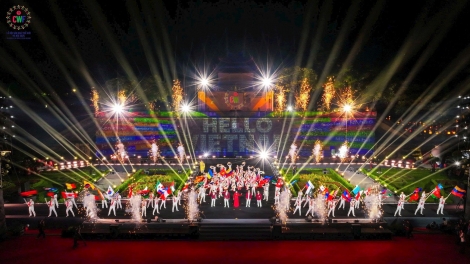



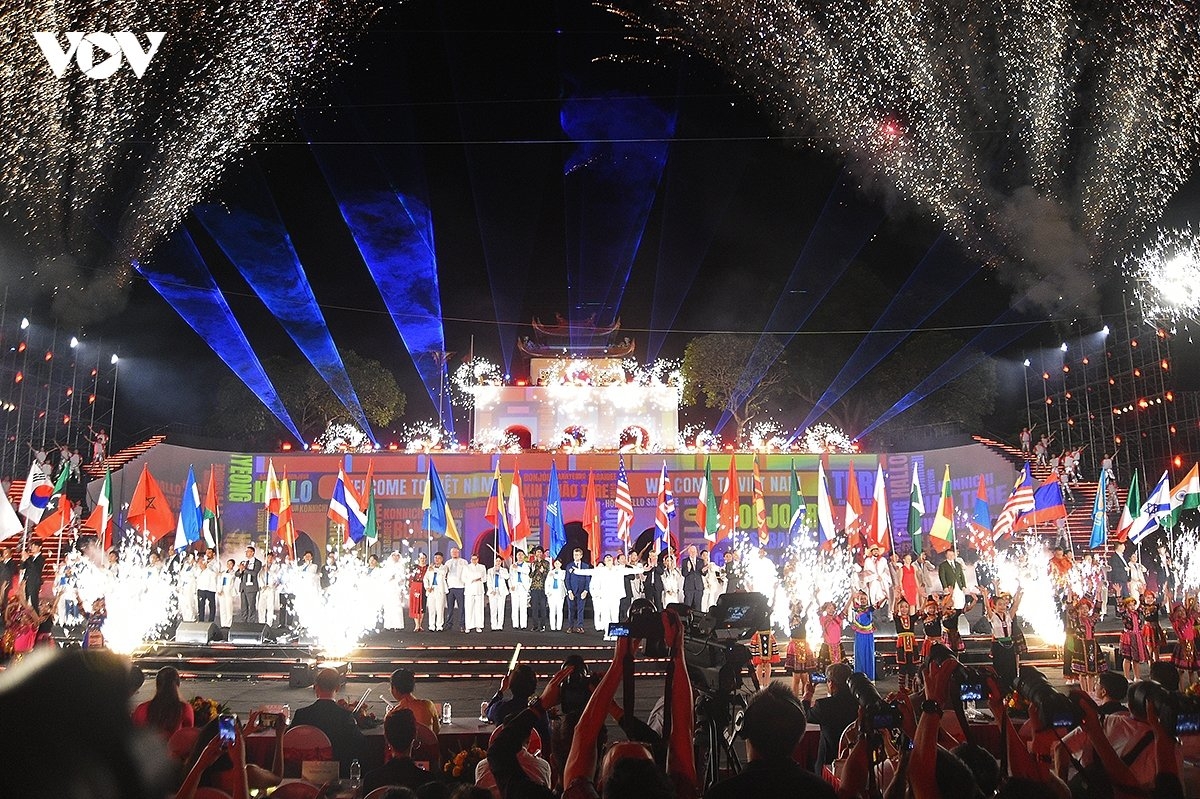
The second World Cultural Festival in Hanoi, held from Friday to Sunday, brings together representatives from around 50 countries and international organizations, as well as hundreds of international artists. The Thang Long Imperial Citadel has become a meeting point for culture, art, cuisine, fashion, and heritage.
Cultural diplomacy through cultural exchange
Under the theme “Heritage Convergence – Shaping the Future,” the festival features 45 cultural spaces, 35 food stalls, film screenings from 18 countries and performances by 20 international art troupes.
Visitors can experience different cultures through art, food, traditional crafts, and costumes, and learn the stories behind them.
Nguyen Phuong Hoa, Director General of the Department of International Cooperation at the Ministry of Culture, Sports and Tourism, said: “With the Politburo’s Resolution 80 on cultural development and Resolution 59 on international integration, building brands for international cultural and arts festivals in Vietnam and establishing Vietnam as a global destination for culture and arts have become key priorities. By making the World Cultural Festival an annual event, we hope to build a strong brand for Hanoi. Hanoi is already a UNESCO Creative City, but we want it to become a must-visit destination on the cultural and arts map of the region and the world."
"We hope that every autumn, our international friends will look forward to coming to Vietnam to exchange, cooperate and co-produce, creating new projects and engaging in dialogue together,” said Hoa.
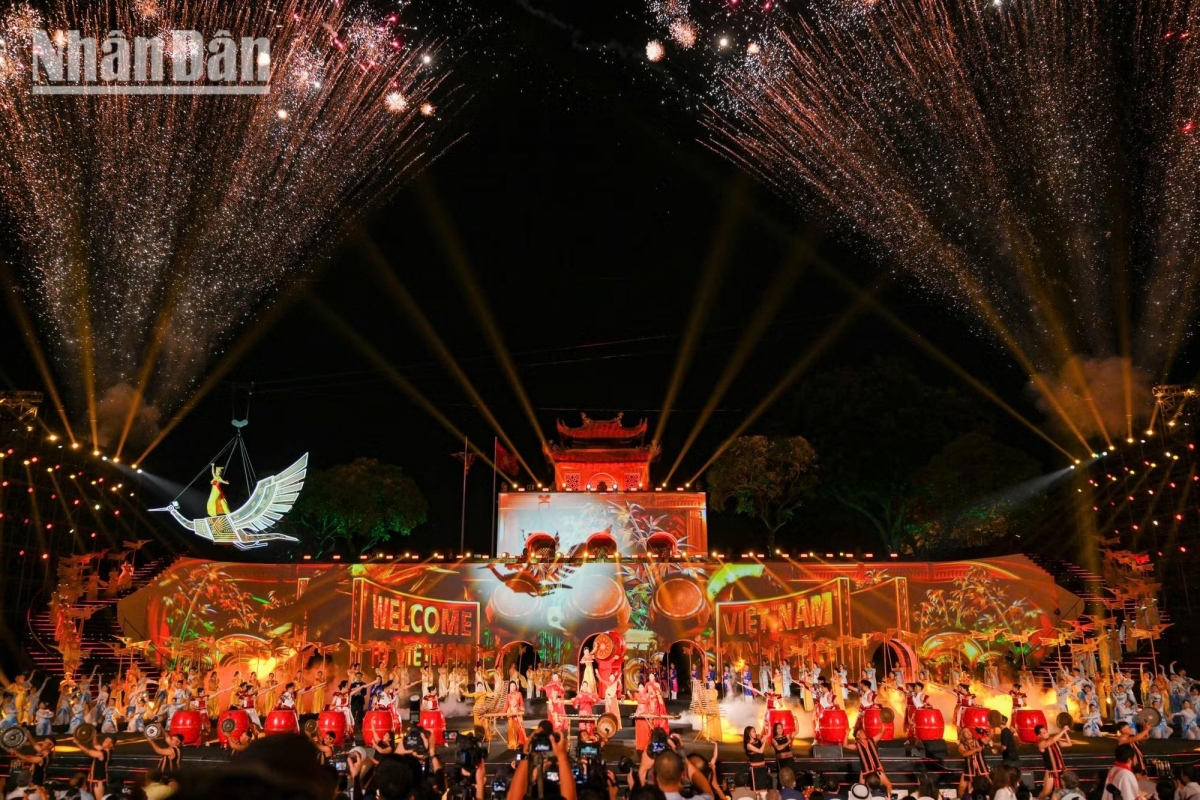
The festival reflects Vietnam’s push for proactive international cultural integration. Politburo Resolution 80 identifies culture as an internal strength, a development resource and an important component of national soft power. It also calls for promoting Vietnamese cultural values, embracing the world’s cultural heritage and strengthening international cultural integration.
Associate Professor Dr. Bui Hoai Son, Deputy Head of the Party Central Committee’s Commission for Publicity, said: “Soft power is not just about talking about ourselves, but about making the world appreciate, trust, and want to learn more about Vietnam. We need to present a more comprehensive image of Vietnam: a country with a deep history and rich cultural identity, but also a modern, creative, dynamic, friendly, responsible, and confident Vietnam that is actively engaging with the world. That means shifting from promoting culture to creating cultural appeal, from simply showcasing what we have to creating products and experiences that inspire people to explore Vietnam, appreciate Vietnam, and share positive stories about the country. That is what sustainable soft power is really about.”
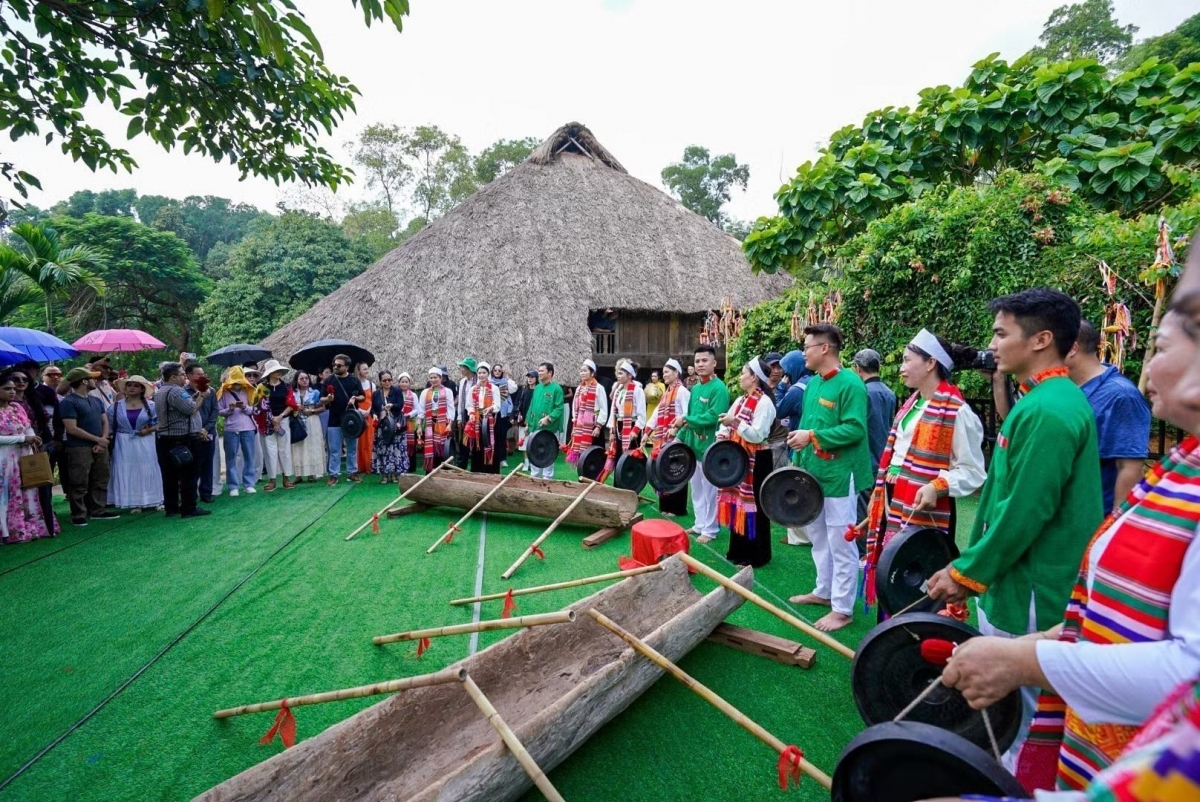
Culture as a bridge
The power of cultural diplomacy lies not only in attracting attention, but in bringing people together. From Hanoi to Vietnamese cultural festivals overseas, these exchanges give people opportunities to meet, experience different cultures, and build mutual understanding. Pakistan’s Ambassador to Vietnam, Kohdayar Marri, said events like the World Cultural Festival provide a valuable platform for countries to share their cultures.
He said: "It allows us to showcase our talent, our skills, our crafts, our art our song, our dancers just so we have more communication and more understanding of each other's cultures and the cultures of the other countries present in Vietnam, the other diplomats present in Vietnam. These platforms do help us and these things will help bring our cultures together. Slowly upon building understanding and building trust and building familiarity between the countries, we can then build upon that to bring in trade, to improve our tourism, make the world smaller to make our continent smaller and to bridge any distance with that."
Vietnamese cultural festivals held overseas have helped bring Vietnamese cuisine, arts, and traditions closer to local communities. Encounters that begin with culture can build understanding and trust, and create connections that extend far beyond a single event. Culture, in this sense, is more than an object of exchange. It is a bridge connecting Vietnam with the wider world.