


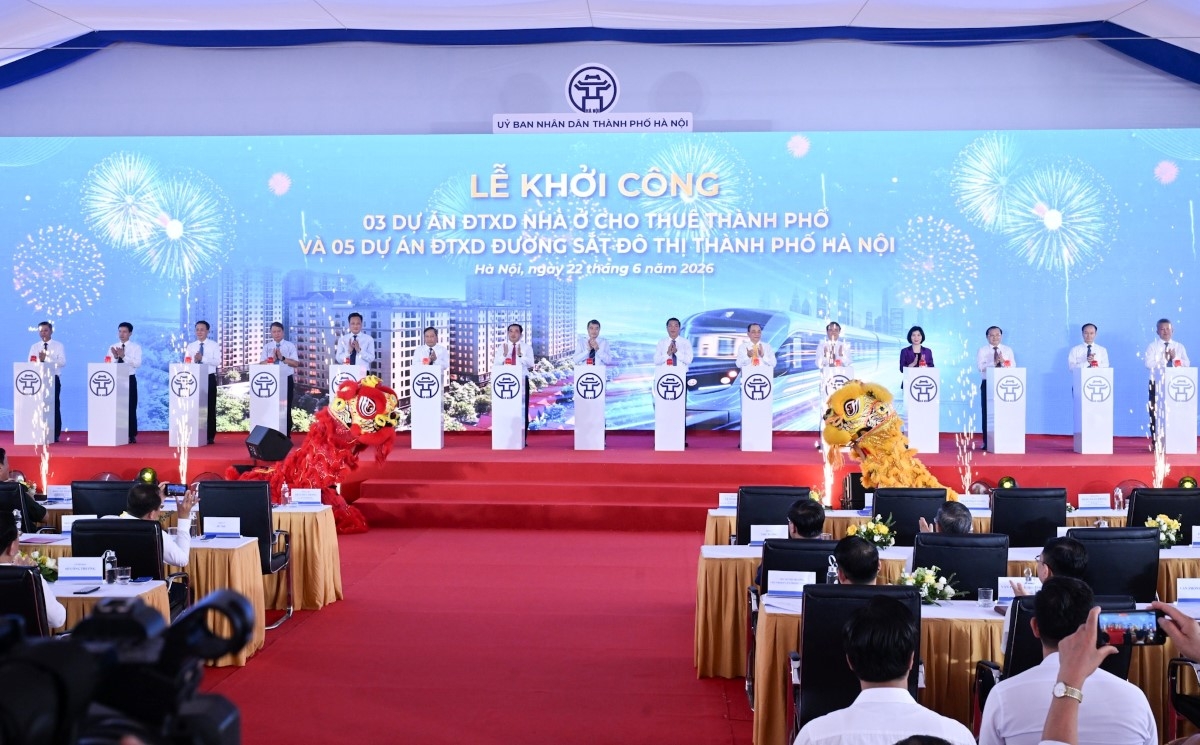
Hanoi’s five urban railway projects have a total length of 303 km and a preliminary investment of 49.6 billion USD. Building multiple routes, including Metro Line 1, 2, 8, 10 and 14, at the same time will speed up the establishment of a complete public transportation network.
All five urban railway projects are being financed through public investment. The routes are designed to maximize underground construction and make better use of land resources and urban space along the railway corridors.
Nguyen Ba Son, Deputy Head of the Hanoi Urban Railway Management Board, said: “Using public investment allows the full application of the National Assembly-promulgated special mechanisms for urban railway development. First, urban railway projects are not required to undergo the procedures for preparing and approving investment policy proposals. It significantly shortens the project preparation time. Second, land clearance is separated into an independent project immediately after planning approval, ensuring the schedule to handover the land to contractors.”
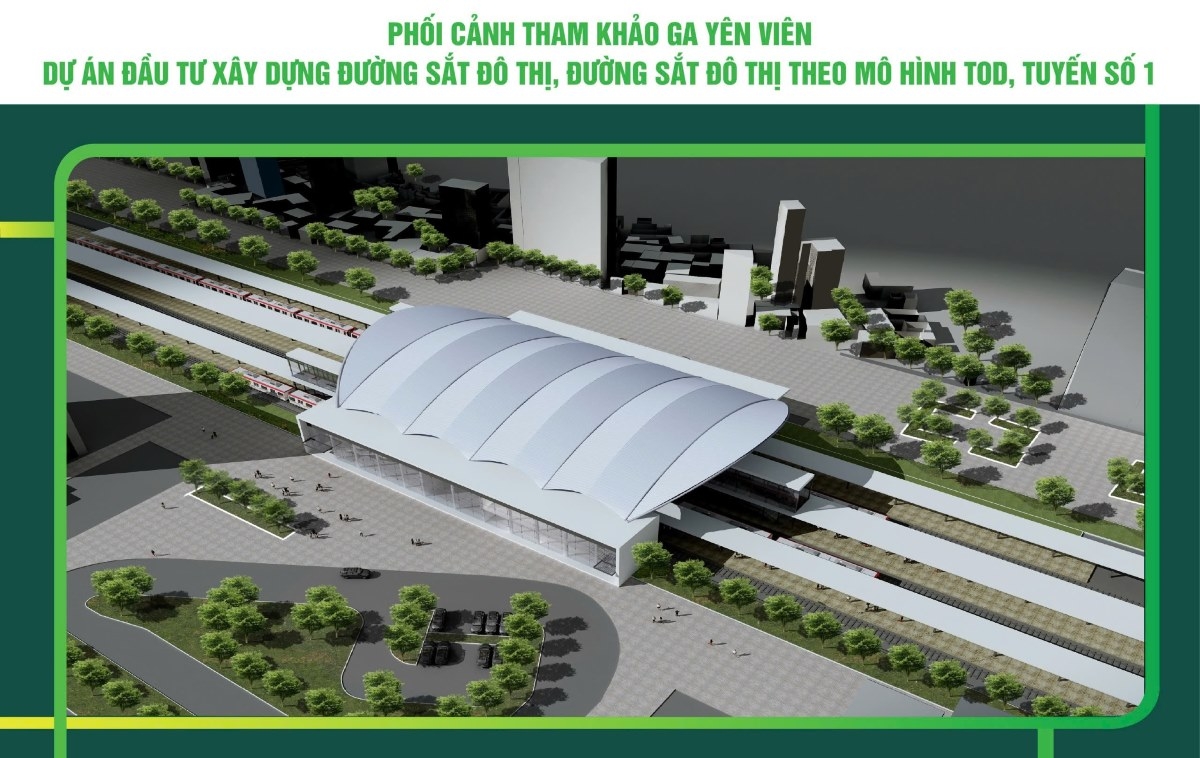
The five railway lines are part of Hanoi’s master plan to develop an 18-line urban railway network with a total length of 979 kilometers. The lines are planned according to the TOD (Transit-Oriented Development) model that integrates public transportation and urban development, creates new growth poles, enhances the city’s competitiveness, facilitates the movement of goods and services, reduces traffic congestion, improves the environment, and raises residents’ quality of life.
Transportation expert Phan Le Binh said: “The greatest benefit of an underground railway network is its positive impact on the urban landscape and its creation of new underground development space for residential, commercial, and urban economic activities.”
These construction projects are expected to contribute to Hanoi’s growth target of 11% or more in the next five years.