




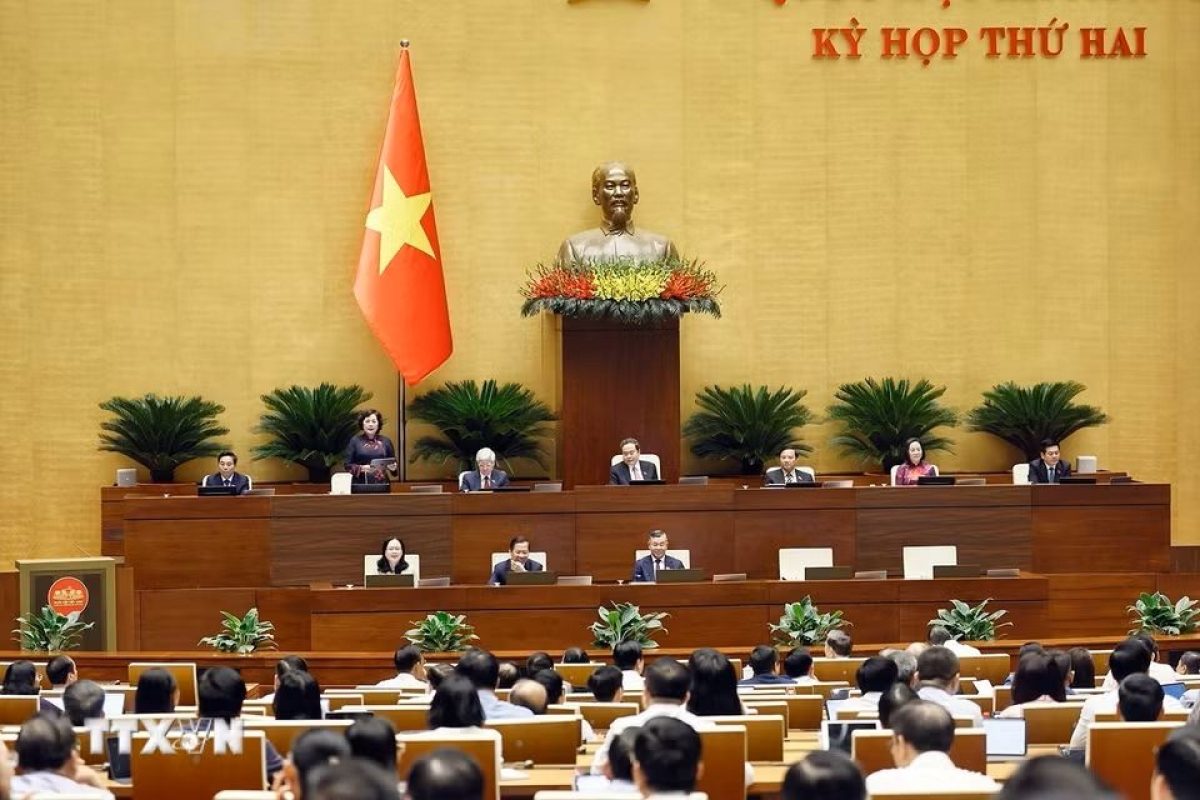
Despite international challenges, inflationary pressures and rising input costs, Vietnam has achieved significant socio-economic results. The Government expects to meet or exceed 14 of its 15 major targets for 2026.
For 2027, the Government has set a growth target of at least 10%, identifying science and technology, innovation, and digital transformation as key drivers of a new development model.
Changing drivers of economic growth
To ensure sustainable economic growth, Vietnam must not only expand investment and improve the quality of the workforce, but also use each resource efficiently and generate greater added value.
National Assembly deputy La Thanh Tan of Hai Phong City said an economy may have enormous potential, abundant resources, and the aspiration to move forward but whether that potential is translated into growth and whether resources are effectively mobilized depend largely on the quality of its institutions.
“Institutional reform in 2027 should be undertaken as part of efforts to comprehensively improve Vietnam’s legal system. This is an opportunity to bring about a fundamental shift in institutional quality,” he said.
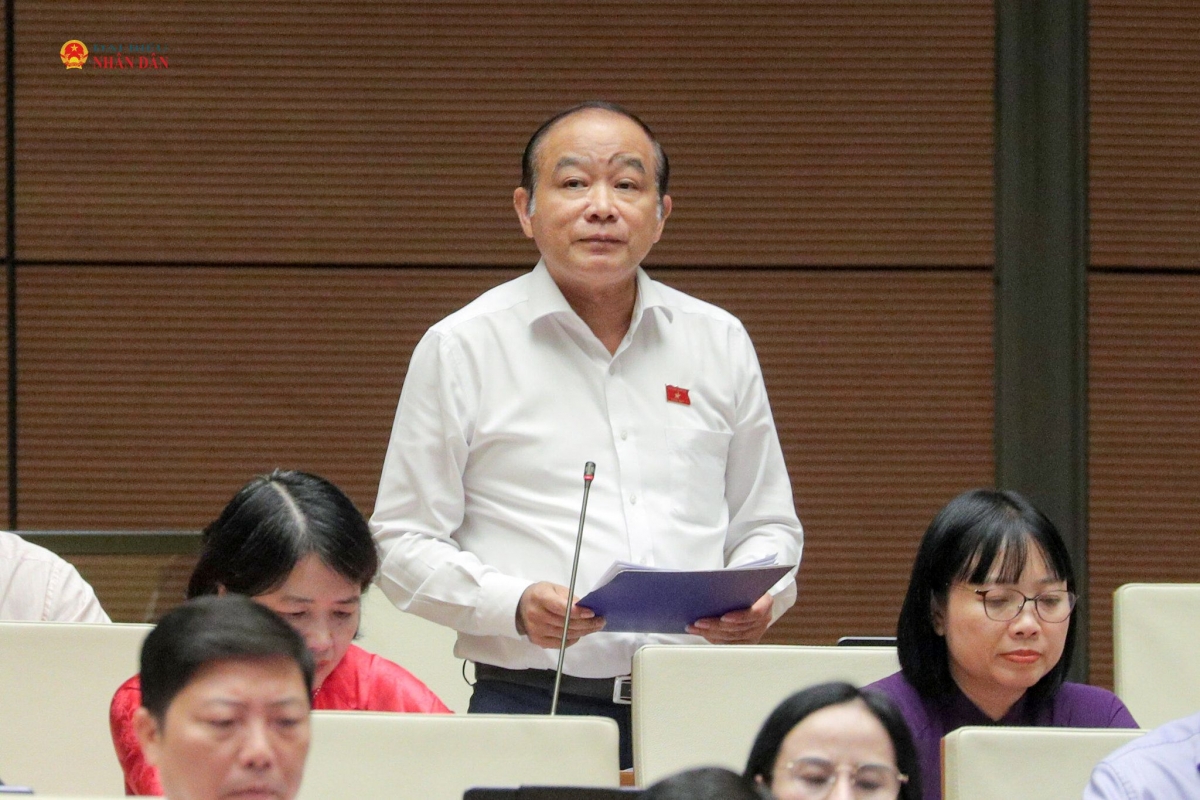
Deputies proposed measuring institutional reform by how effectively it addresses practical problems, rather than by the number of legal documents issued. Amendments should focus on areas with the greatest impact on resource mobilization and economic growth.
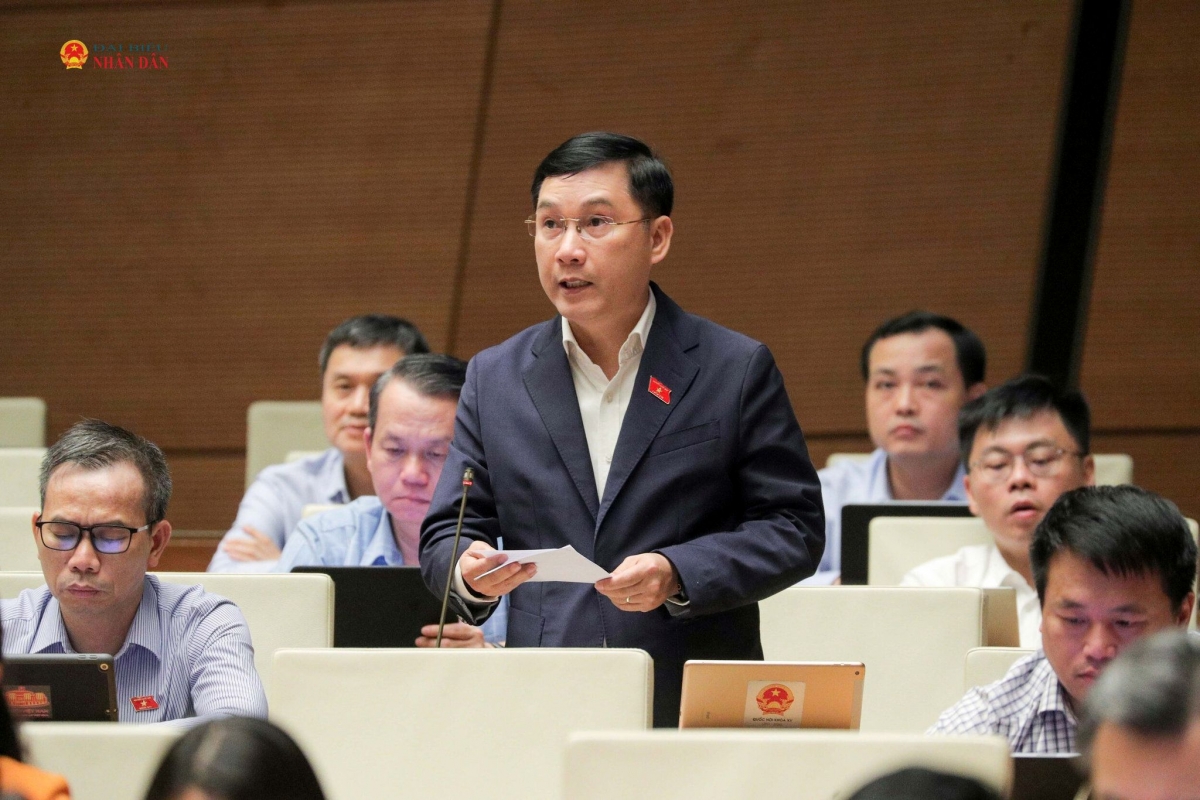
Deputy Le Hoang Anh of Gia Lai Province said legislation should be stable and predictable. Framework laws can provide flexibility in governance, but businesses’ fundamental rights must be clearly stated, he said.
“Businesses can only feel secure when their rights are protected by law, rather than by guidelines that can change frequently. Laws must be enacted quickly to remove obstacles, but stable laws give investors the confidence to commit their capital.”
Substantive growth
Achieving the target of double-digit GDP growth in 2027 will also require building a new production base, raising labor productivity, developing competitive businesses, and strengthening the economy’s self-reliance.
The discussion highlighted the urgent need to align fiscal policy, public investment, institutional reform, and changes to the growth model. Resources alone cannot generate the momentum needed for development if they are fragmented or used inefficiently.
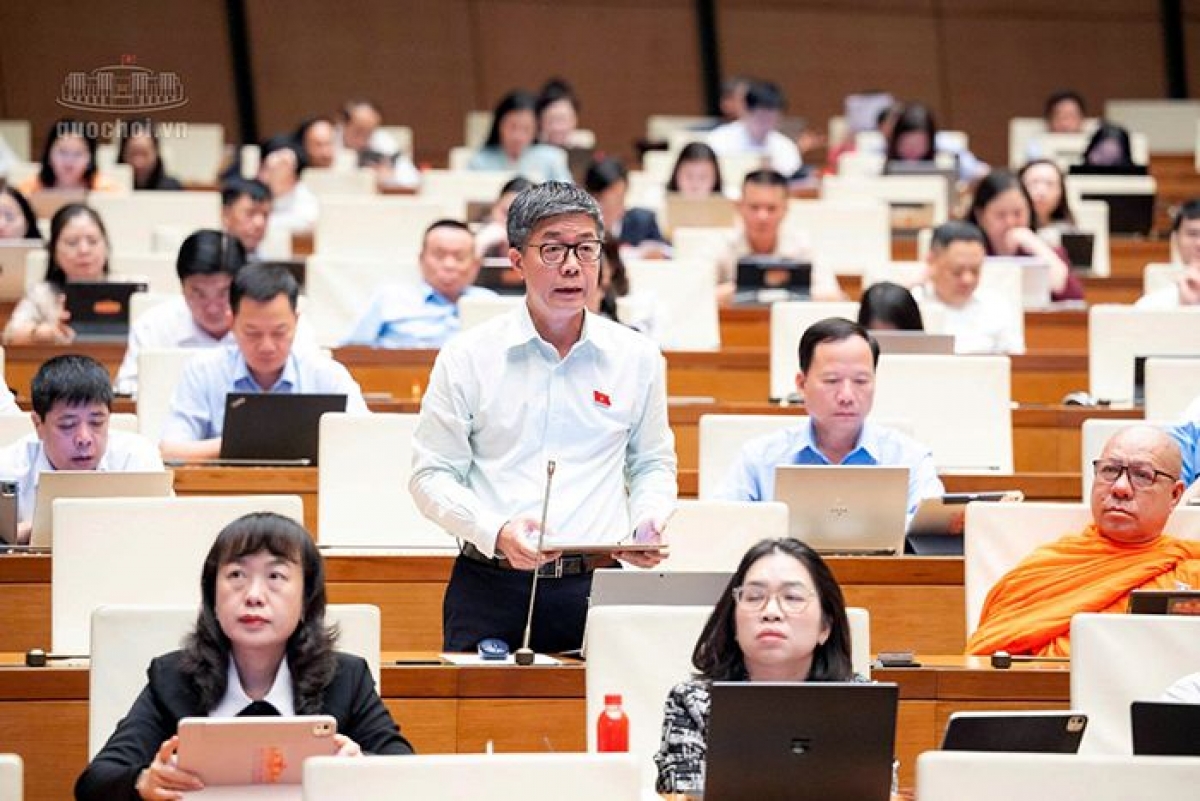
“To achieve double-digit growth during the 2026-2030 period, the economy needs greater medium- and long-term financing. We need to tap the corporate bond market and find ways to channel household savings into investment. Greater attention should be given to investment funds, particularly venture capital funds, as a source of financing for businesses,” Deputy Nguyen Manh Hung of Can Tho City said.
In the years ahead, economic policymaking and implementation must focus on unlocking available resources, directing them toward the right priorities, and ensuring they are used efficiently to sustain Vietnam’s economic growth.