



Party Resolutions on urban and regional development have created conditions for major cities to capitalize on their advantages and contribute more effectively to national growth.
In Hanoi, development efforts are focused on expanding urban space and easing pressure on the city center. The capital is investing heavily in urban infrastructure and building a modern public transportation network to reduce traffic congestion and improve mobility. At the same time, Hanoi is accelerating the development of satellite urban areas to support the redistribution of population and public services, creating a more balanced urban structure.
In Ho Chi Minh City, the development strategy centers on strengthening its role as Vietnam's economic and innovation hub. The city is speeding up major transportation infrastructure projects, particularly the metro system, to establish a modern public transit network. Party Resolution No. 09 on enhancing HCM City’s development has provided fresh momentum for the city to take on a greater leadership role in national development in the new period.
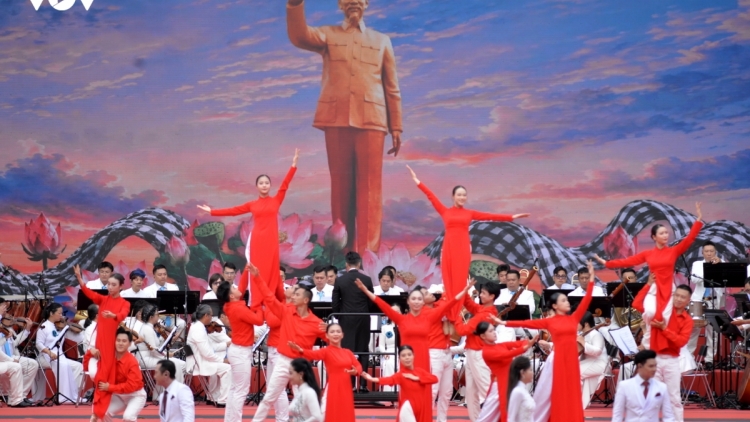
At a ceremony on Thursday to mark the 50th anniversary of Ho Chi Minh City being named after President Ho Chi Minh, Secretary of the municipal Party Committee Tran Luu Quang said: "Ho Chi Minh City is entering a new phase of development with tremendous opportunities ahead. Integrating the development space of Ho Chi Minh City, Binh Duong, and Ba Ria–Vung Tau brings together strategic advantages, creating new room and momentum for growth and elevating the city's stature. Resolution No. 09 on building and developing Ho Chi Minh City in the new era represents a special political responsibility that will enable the city to contribute even more to rapid and sustainable national development."
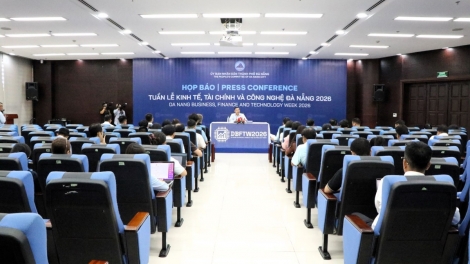
Da Nang has distinguished itself through its vision of becoming a smart and livable city. It has implemented initiatives aimed at establishing itself as the information technology hub of central Vietnam. At the same time, preserving local cultural and natural heritage remains a core principle of its urban development strategy.
Le Tri Thanh, President of the Da Nang branch of the Vietnam Fatherland Front said: "With its terrain of rivers, coastline, mountains, and forests, Da Nang is ideally suited to become a modern and highly attractive urban space. At the same time, urban development must be civilized, modern, and smart while preserving the city's distinctive identity and rich cultural values."
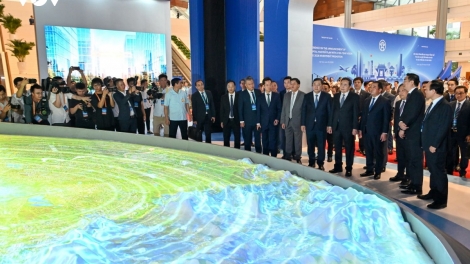
Although Vietnam's major cities share the three priorities of modern infrastructure, digital transformation, and stronger urban governance, each is pursuing a development path tailored to its own strengths. National development strategies are being translated into practical policies and projects. If those are implemented effectively and in a coordinated manner, Vietnam's major cities will become powerful engines for sustainable long-term growth.