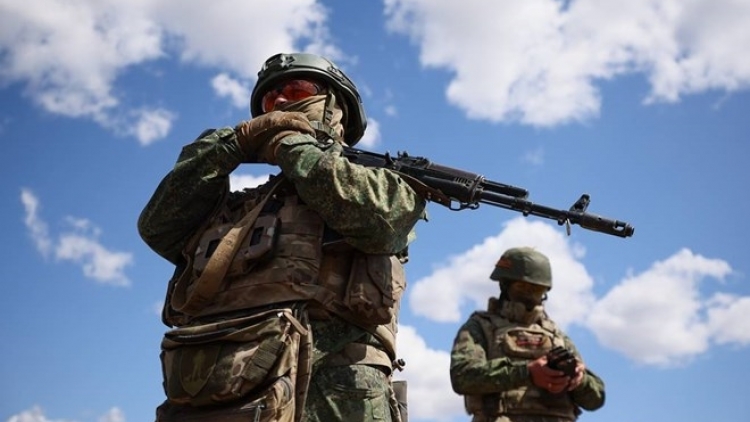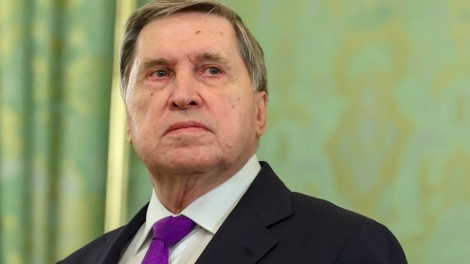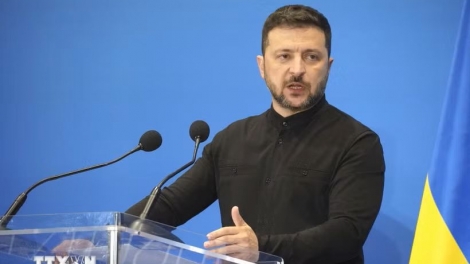




On October 23, Ukrainian President Volodymyr Zelenskyy confirmed that Ukraine, Russia, and the US have agreed to hold a technical-level meeting in Abu Dhabi, the UAE, in the first half of November.
Positive developments
While it’s too early to say that diplomatic efforts to resolve the Russia-Ukraine conflict have achieved a breakthrough, recent developments have created a more favorable environment for dialogue. The EU has generally been reluctant to talk directly to Russia since the conflict began in 2022, but on October 27 the leaders of Norway and Finland talked directly by phone with Russian President Vladimir Putin.
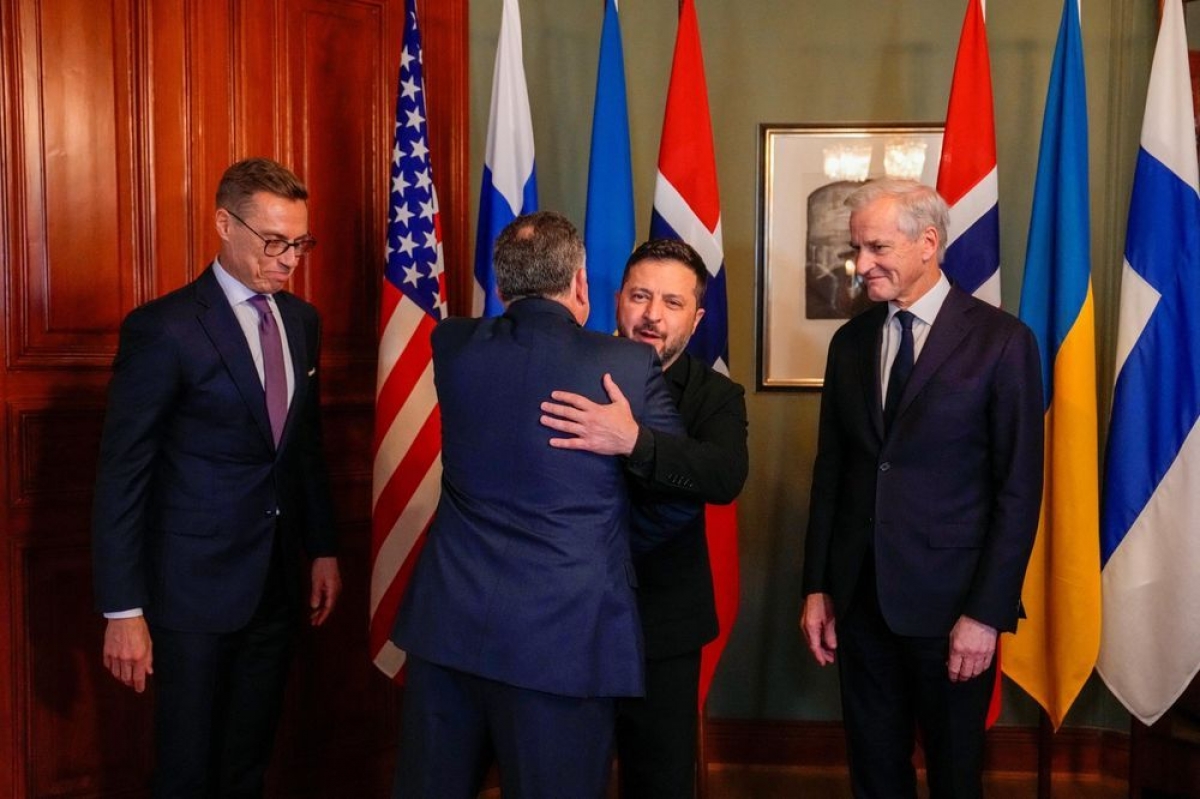
The phone calls from Norwegian Prime Minister Jonas Gahr Støre and Finnish President Alexander Stubb to President Putin came just a week after a meeting between Ukraine and its allies in Norway.
President Stubb said: "The discussion with President Putin was professional and direct. The road has been paved to a meeting of the United States, Ukraine, Russia, and Europeans in Abu Dhabi sometime in November. The Prime Minister and I felt that it was important that border states like Finland and Norway clarify issues that might lead to misunderstandings and relay direct messages from a Nordic perspective, from a Finnish perspective, and from a Norwegian perspective to the President of the Russian Federation."
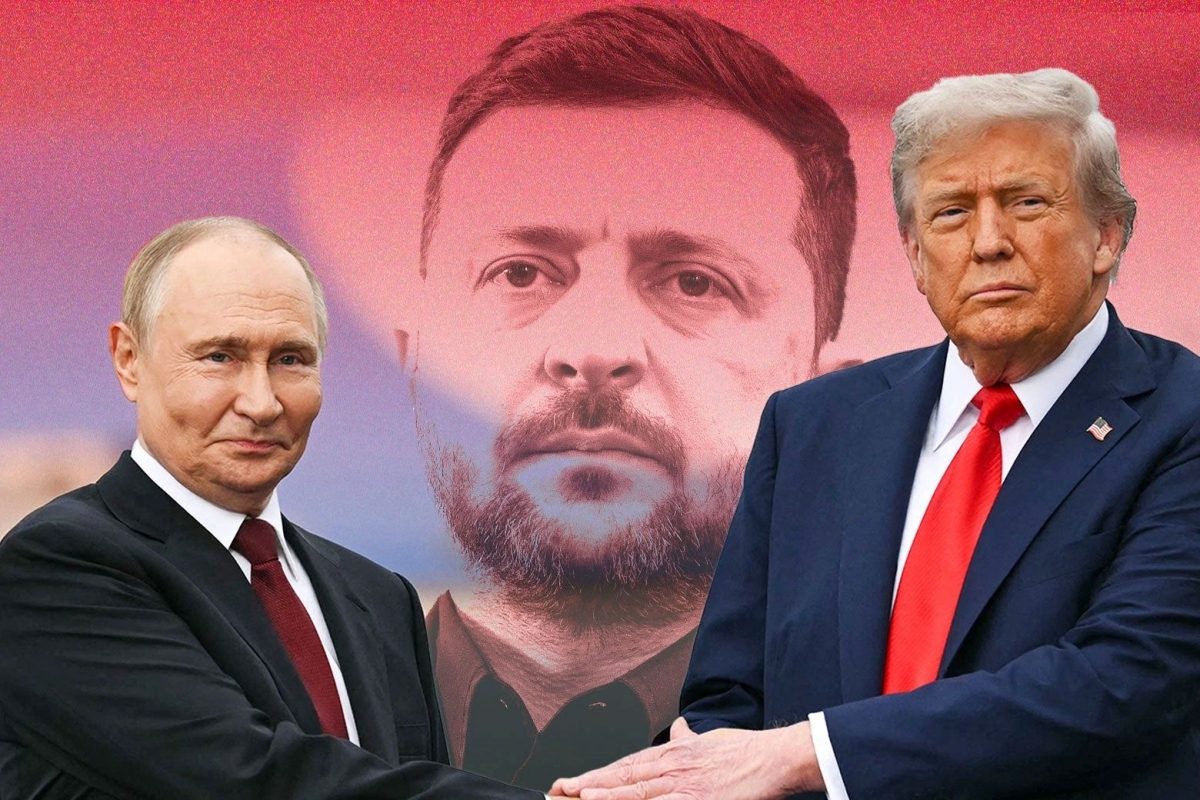
Observers say there has been a significant change in relations between Russia and the US in the past several weeks, including the signing of a diesel fuel deal on October 10, a decision by President Donald Trump to waive all new sanctions on Russia under the Graham Act, and a proposed US-Russia-China summit in late November that could have a major impact on the global security architecture.
European countries are unlikely to accept being sidelined once again. Talks late last year and early this year between the US and Russia (and later with Ukraine) explicitly excluded European representation at the negotiating table.
The prolonged conflict has caused heavy losses on both sides and both sides are growing weary and running short of resources. President Trump said: "Ukraine has to want to make a deal because the United States has spent a fortune. Europe has spent a fortune. Europe is tired of it right now. They're tired of it right now. And if they don't make a deal, ultimately it's just going to get, in my opinion, it's just really just going to get worse."
Cautious optimism
On the battlefield, Russia and Ukraine have also taken positive steps. From October 27 through November 1, the two sides are observing a ceasefire in Olesky, in eastern Ukraine, to facilitate humanitarian operations, medical treatment, and the evacuation of civilians trapped in the town. Although the Kremlin has ruled out an immediate end to military operations, the ceasefire in occupied Oleshky could set a precedent for similar humanitarian pauses in other areas
Given these encouraging developments, the big question is whether the negotiations in November will bring about substantive progress. The deadlock in trilateral talks earlier this year left all sides skeptical. Western media have recently circulated leaked reports suggesting that the parties, particularly Ukraine, may be ready to make concessions, but neither Kyiv nor Moscow has made any official statement about a softening of their position.
On October 25, President Zelenskyy said Kyiv will reject any peace deal that demands Ukraine’s neutrality or puts caps on its military. Territorial issues can be resolved only at the highest leadership level, Zelenskyy said.
President Putin has repeatedly called for addressing the root causes of the conflict and establishing a lasting security framework in Europe. “We have agreed that we are ready to resume trilateral contacts involving the US, Russia and Ukraine. The purpose of the negotiations will be to discuss the issue of ensuring security for Ukraine and Russia after reaching peace agreements, specifically in their final form, rather than a temporary pause in combat for a short period of time. We’re ready to resume the contacts to achieve that goal.”
The negotiating teams from Russia, Ukraine and the United States are expected to meet in Abu Dhabi in the first half of November. If the technical-level discussions make progress, the parties could move towards a leaders’ meeting to resolve key outstanding issues. Kremlin spokesman Dmitry Peskov says Moscow would welcome an EU envoy to the negotiations.