


A new unilateral policy
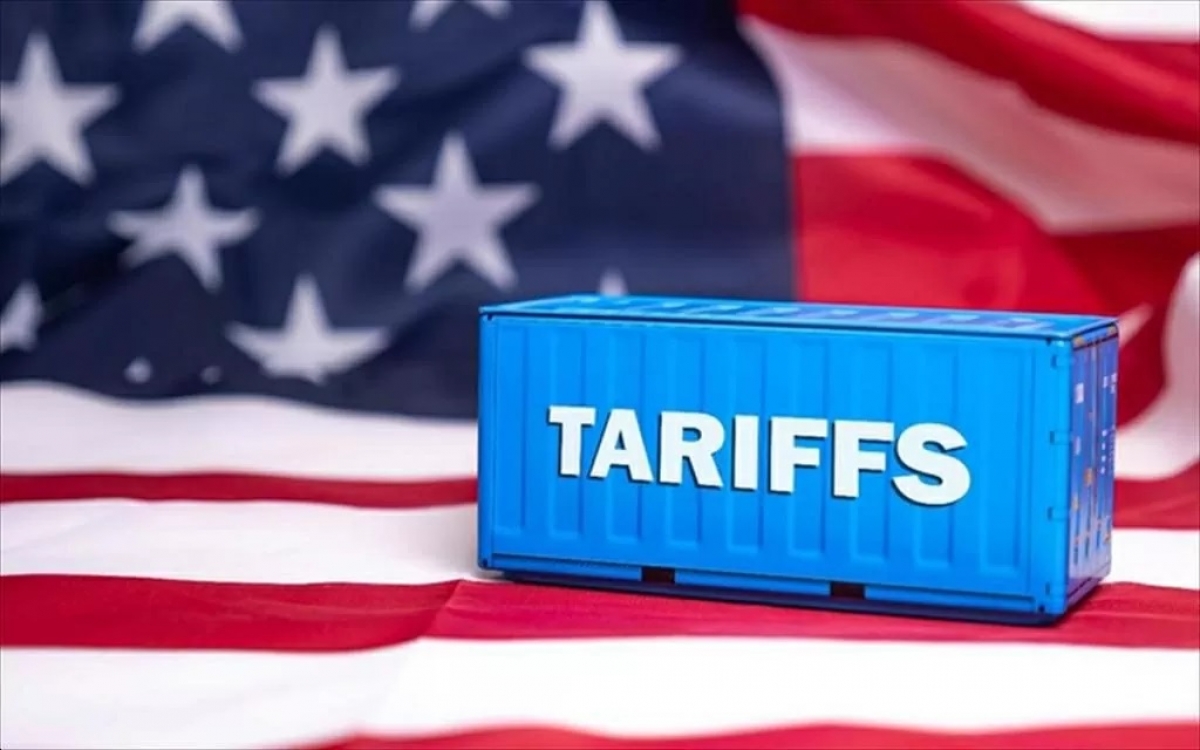
The US Trade Representative says the new tariffs, authorized by Section 301 of the Trade Act of 1974, were imposed on 60 economies for their failure to enforce a prohibition on the export of goods produced using forced labor. This is a trade policy tool being used by President Donald Trump since the US Supreme Court struck down his reciprocal global tariffs on February 20, 2025.
According to Jamieson Greer, the Trade Representative, a 10% tariff applies to imports from Argentina, Bangladesh, Cambodia, Canada, Ecuador, El Salvador, Guatemala, Honduras, India, Indonesia, Jordan, Malaysia, Mexico, and the UK. A combined tariff rate, including the existing Most-Favoured-Nation (MFN) tariff, will be either 10% or 12.5% for certain products from the European Union, Taiwan (China), Japan, South Korea, and Switzerland.
The remaining 38 economies, including China, the Philippines, and Thailand, are subject to a 12.5% tariff.
Mr. Greer has indicated that countries which have negotiated agreements with Washington to cap US tariff rates will not see their overall tariff burdens rise above those agreed limits because of the new tariffs. But the new duties on 60 trading partners will cover 99.4% of all US imports and could undermine agreements already reached with those partners.
Kaja Kallas, the EU High Representative for Foreign Affairs and Security Policy, said: "We had a deal with America and we have kept to that deal, our side of the deal. The negotiations were not easy. What is important for our company is predictability. Predictability is better than not having the view what is coming."
Many trading partners have strongly rejected the US’s allegation of forced labor, calling it unconvincing. Australian Trade Minister Don Farrell said: "What can I say, how disappointed we are in the decision of the United States Trade Representative to increase tariffs on some Australian products going into the United States. We do not believe it was justified. We believe that amongst all of the countries in the world, Australia does take the issue of slavery, modern slavery seriously, and we'll continue to do that."
Old wine in a new bottle
International observers say the new tariffs are an "old wine in a new bottle" approach by the White House, with Section 301 being used as a weapon. The alleged forced labor is being used as a legal pretext which will allow the tariffs to be reviewed every four years and create a legally durable tariff barrier.
The Global Trade Research Initiative (GTRI) in New Delhi and the Progressive Policy Institute (PPI) in Washington argue that the US Trade Representative has provided no evidence of forced labor violations in individual countries, and suggest that the new tariffs are driven more by political and economic considerations than by human rights concerns. The US's lack of evidence and frequent unilateral changes to trade policy have threatened trade agreements and global supply chains and eroded confidence in US trade commitments.
Like previous tariff rounds, the Section 301 tariffs are unlikely to benefit American businesses and consumers, despite White House claims.
Glenn Stevens Jr., who represents the Detroit Regional Chamber in the state of Michigan, said: "We talk to a lot of executives, we walk a lot of shop floors across the state. And certainty in the supply chain, certainty in business planning is what they really strive for. They don't have that when there's a really kind of uncertain trade and tariff scenario across many different countries, but certainly with one right across the river. We need that for the future."
Estimates by the Federal Reserve of New York and the Progressive Policy Institute show that more than 90% of the additional costs resulting from the tariffs will ultimately be borne by American consumers and importing businesses, amounting to approximately 100 billion USD per year, thereby increasing domestic inflationary pressures. Concerned about the potential impact on prices, the White House has included broad exemptions in the new tariff package for fertilizers and certain fuels, which have seen sharp price increases due to the conflict between the United States and Iran. Automobiles, metals, and drugs will also be exempted from the new tariffs.