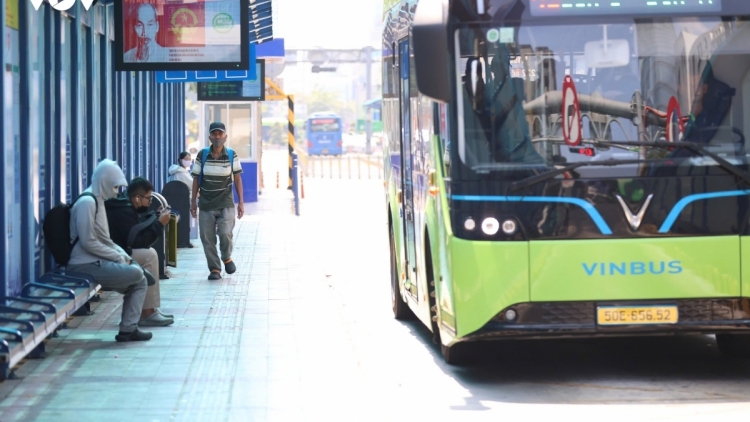




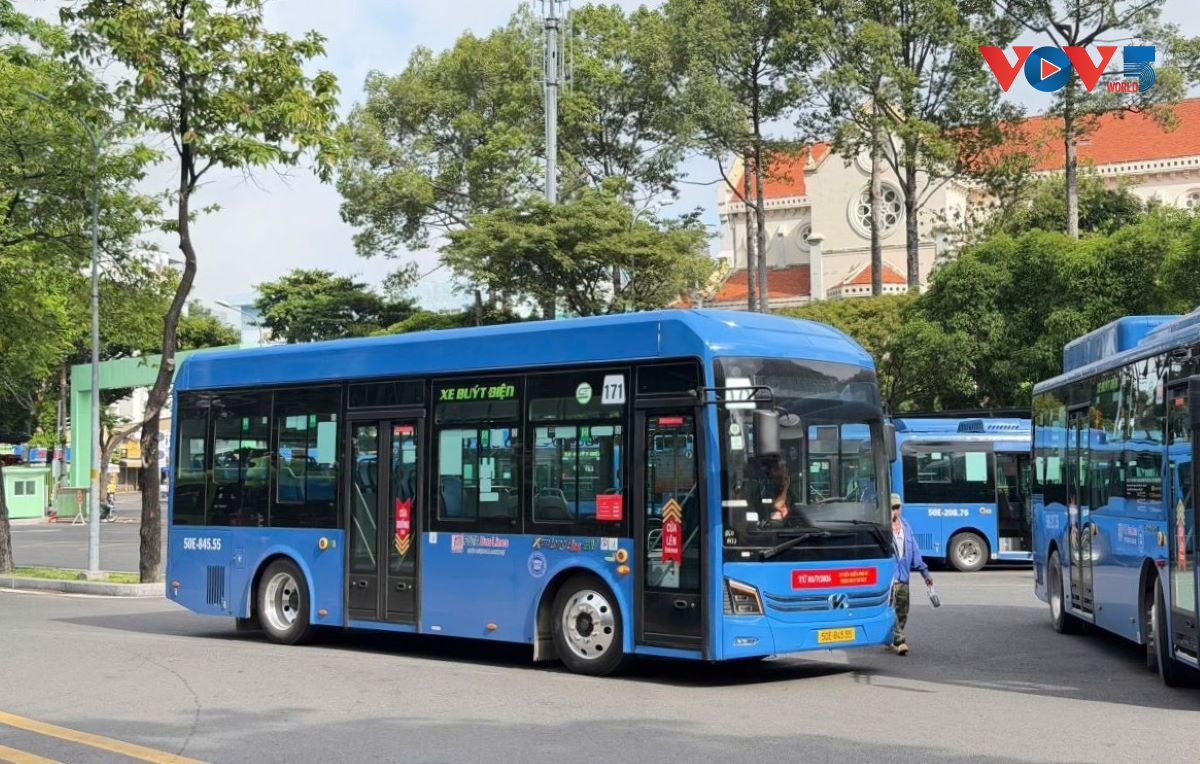
In July, buses in Ho Chi Minh City served 8.5 million passenger trips, up 39% year-on-year. More than 105,000 users regularly accessed the city’s official bus application Multigo. The positive impact has also extended to the metro system, with metro ridership increasing 15%.
Electronic fare cards are now used by up to 60% of passengers across bus and metro networks. The city’s transportation sector is preparing for the next phase of operations, which will begin in October.
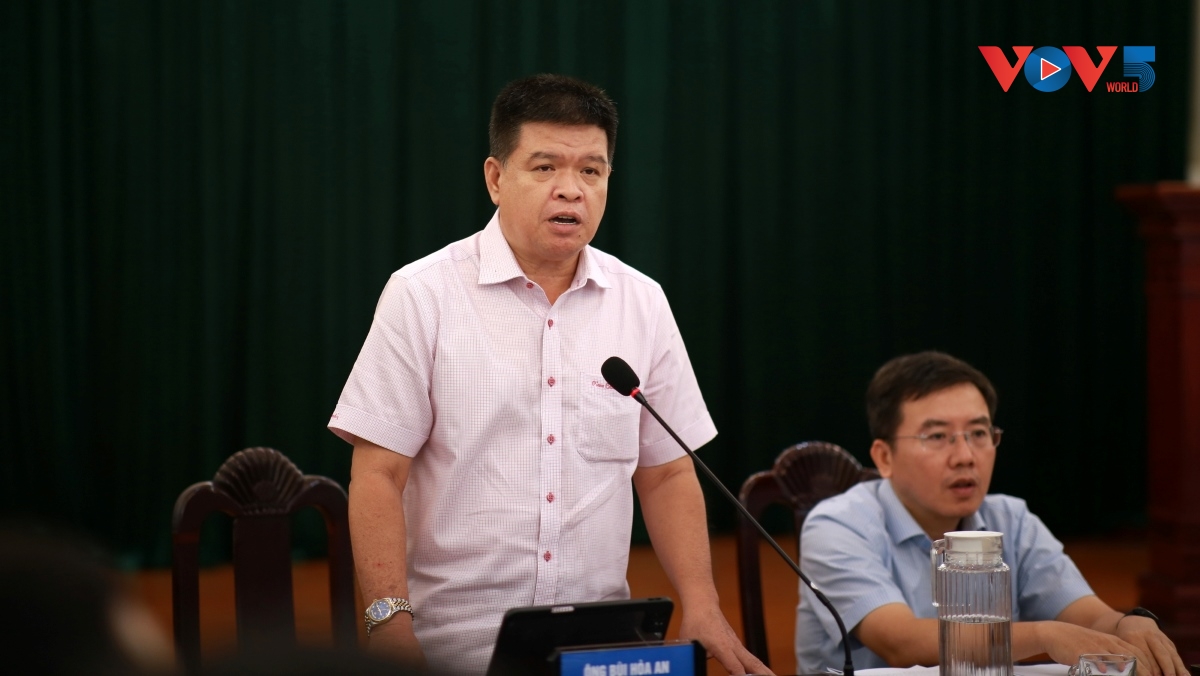
According to Bui Hoa An, Deputy Director of the municipal Department of Construction, although the on-time departure rate has reached 97%, attention must now be paid to the remaining 3%.
“We will find more effective ways to operate the model as well as work with local authorities and relevant agencies to prevent traffic congestion,” said Mr. An.
To optimize bus schedules, the Department of Construction is studying a pilot of bus route 33 using AI. It is also working hard to address issues involving roads and pavements around bus stops, which are among the direct causes of congestion and can affect bus speeds.
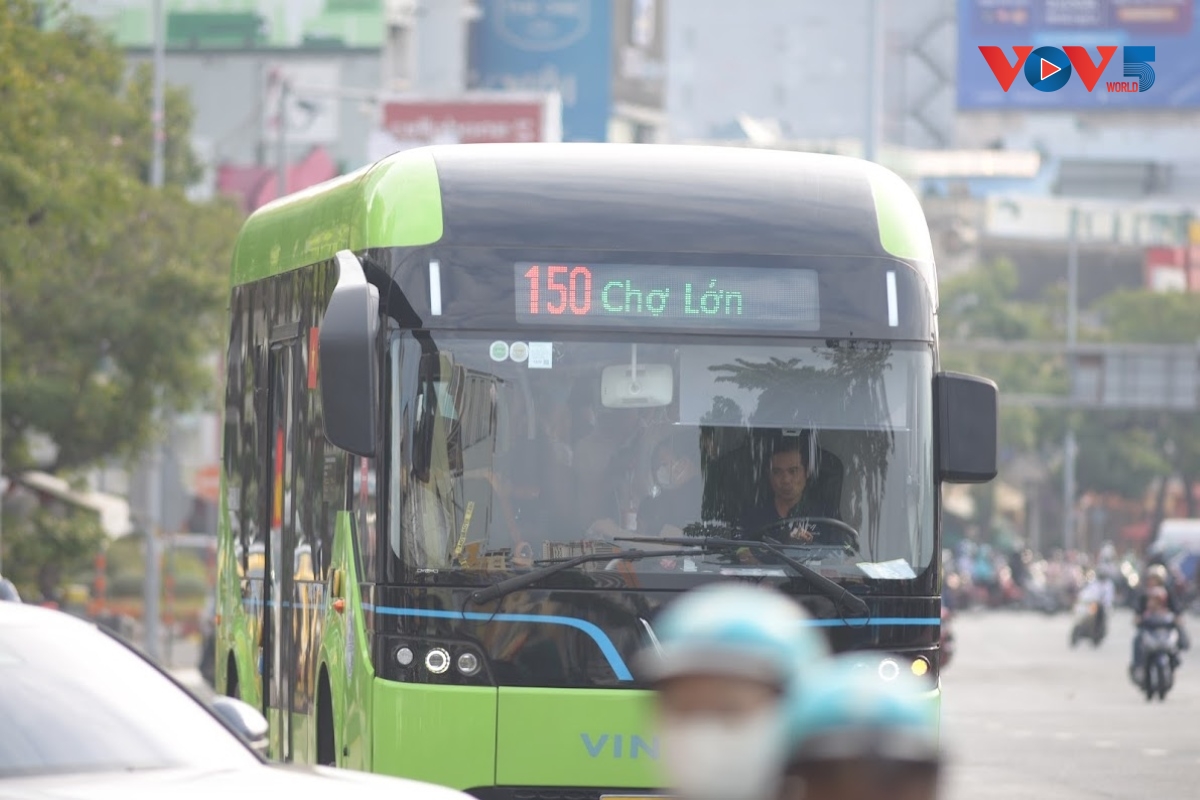
Le Hoan, Deputy Director of the Ho Chi Minh City Public Transport Management Center, emphasized: “We need to deploy suitable buses and optimize operations to help reduce passenger wait times. Operations are measured and assessed at every stop. This is being implemented on route 33 and will then be expanded to heavily used routes.”
Ho Chi Minh City will focus on improving service quality, developing a modern network of bus stations and depots, adding standard public toilets, and mobilizing more resources from the private sector, with the aim of building a modern public transportation system.