A number of programs and mechanisms have been introduced to implement Directive 34 of the Party Central Committee’s Secretariat on strengthening the Party’s leadership of social housing development in the new situation, the Government’s project on “building at least one million social housing apartments for low-income earners and industrial park workers during the 2021–2030 period,” and new directives on rental housing development.
From “the right to ownership” to “the right to housing”
To date, the project to build at least one million social housing apartments has achieved approximately 72.5% of its target. Yet, the Ministry of Construction forecasts that demand for social housing for rent over the next five years will exceed 71,000 units, compared to the current figure of 42,000 social housing units available for rent.
In addition to ensuring the quantity, it’s also important to acquire a broader understanding of the role of housing policy in socio-economic development as well as in workforce development, social welfare, and improvements in urban quality.
Party General Secretary and State President To Lam said: “Housing policy in the new period must be designed with a new mindset and vision, ensuring that everyone has a place to live. Homes are for living, not for business or asset accumulation. It’s necessary to strictly control the beneficiaries of housing policies and purchase policies to prevent housing speculation and ensure that housing policies are not exploited for personal gain.”
With a broader approach to housing issues, housing should also be seen as an integral component of urban structure, social welfare, urban security, and the real estate market, and more generally, housing should be regarded as part of the country’s long-term development strategy.
Prime Minister Le Minh Hung said: “We must carefully study how to shift our perspective from home ownership to the right to housing. This means people who cannot afford to buy a home should still have access to long-term rental housing at reasonable prices. At the same time, we will continue to develop commercial housing. The Ministry of Construction will study amendments to the Housing Law to re-categorize houses into commercial housing for sale, policy-based housing, public-service housing, and rental housing. Within the commercial housing segment, there will be multiple levels to meet different needs and incomes.”
The policy will focus on creating a wider range of housing options tailored to different groups and needs. This approach has been applied by many developed countries to ensure broad access to housing.
Rental housing – a new pillar of housing policy
Rental housing development is considered a practical step toward realizing the new housing policy. Rental housing will be a key component of the future housing system.
Mr. Lam said: “From now to 2030, housing for sale will remain necessary, but rental housing must be established in major urban centers, industrial zones with large migrant-worker populations, and areas where housing prices far exceed the average income. We must rebalance the housing product structure and create the most favorable conditions possible for investors in rental housing. Policies should be revised to accelerate the development of the apartment rental market.”
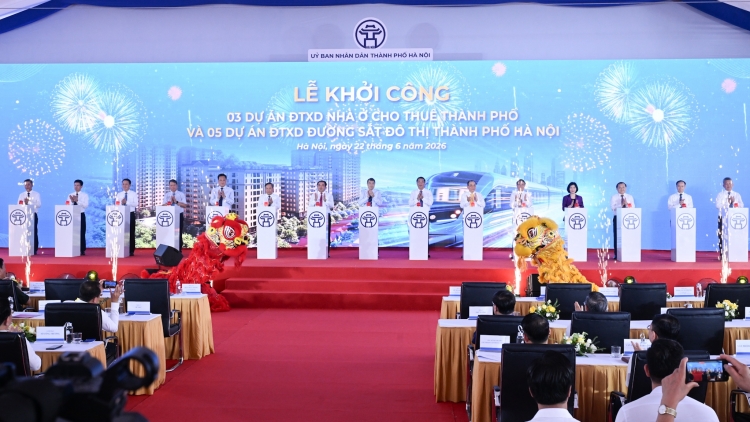
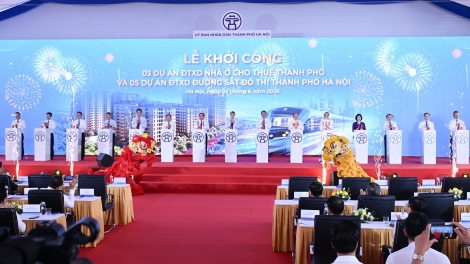
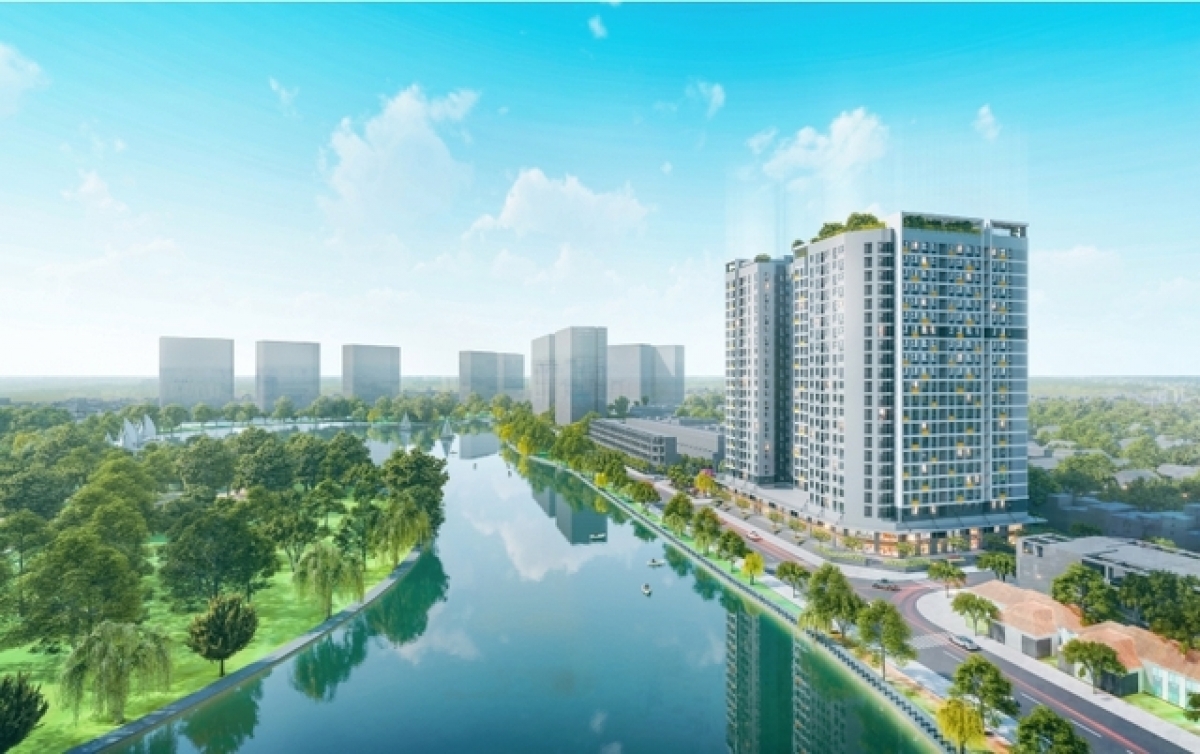
Hanoi is one of the first localities to translate these policies into action. On Monday, 3 housing projects were launched and another 4 projects will break ground soon to supply a total of 6,300 apartments, including more than 1,000 rental units.
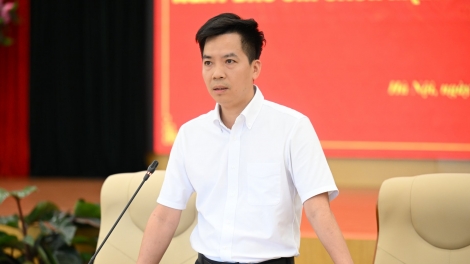
Chairman of the Hanoi People’s Committee Vu Dai Thang said: “Hanoi aims to establish a professional, high-quality, affordable rental housing market, and reduce the pressure of home ownership at all costs. We’ll promote a healthy, sustainable real estate market aligned with international trends. In the future, rental housing areas will be planned in coordination with urban railway lines, employment centers, educational institutions, healthcare facilities, and public services to create modern, civilized, convenient communities for urban residents.”
Vietnam’s recent shift in housing policy aims to build the necessary foundation for a more sustainable urbanization process and expand opportunities for people to secure stable housing.