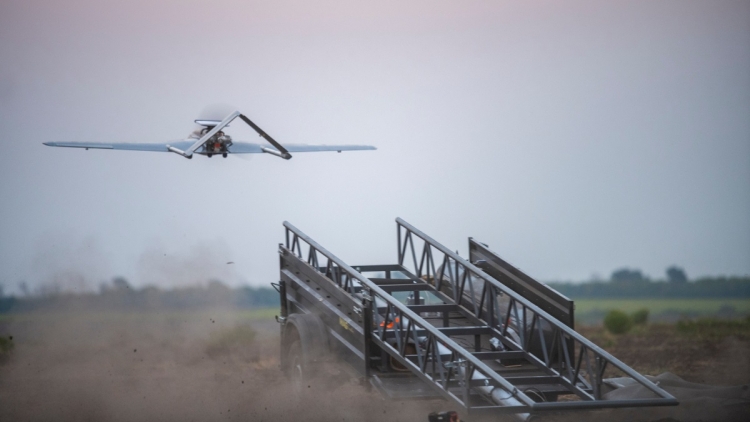
Early last Sunday, around 600 Ukrainian unmanned aerial vehicles (UAVs) targeted Moscow, marking the largest UAV attack on the Russian capital since the Russia-Ukraine conflict broke out in February 2022. A few days earlier, Russia had launched major missile and UAV attacks on Ukraine.
Growing civilian casualties
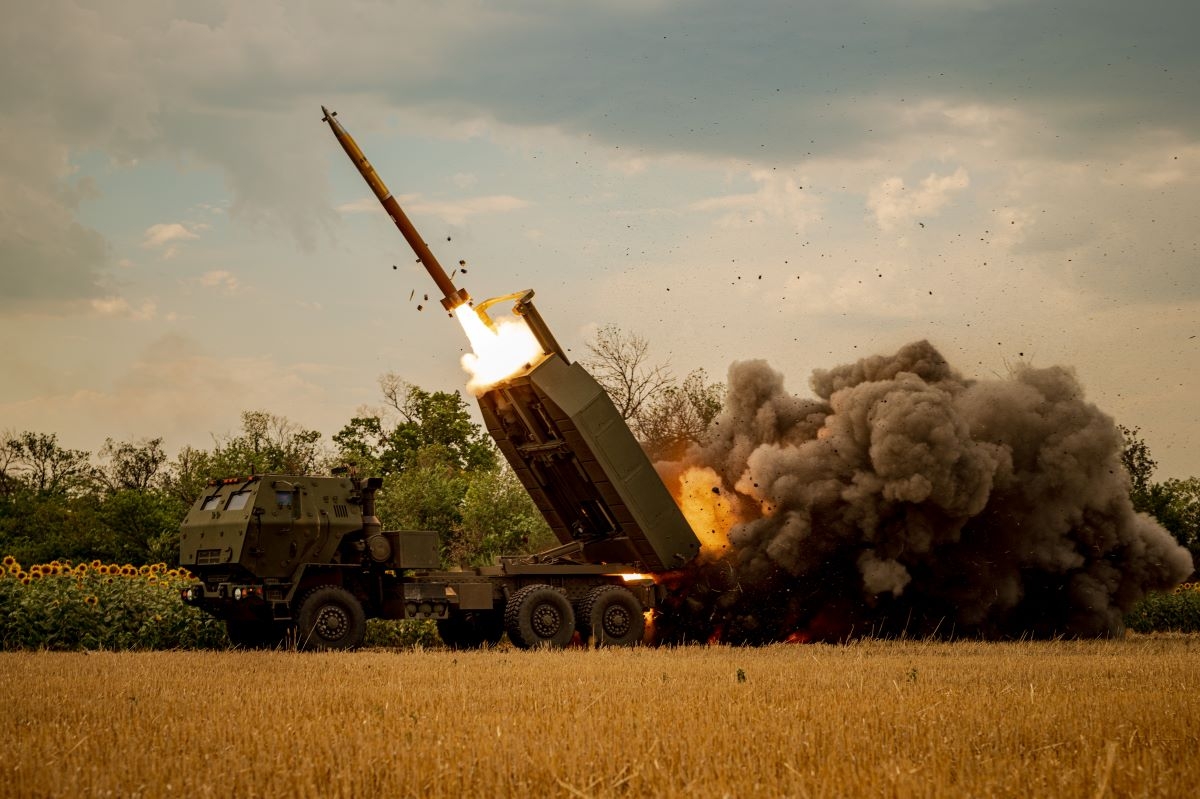
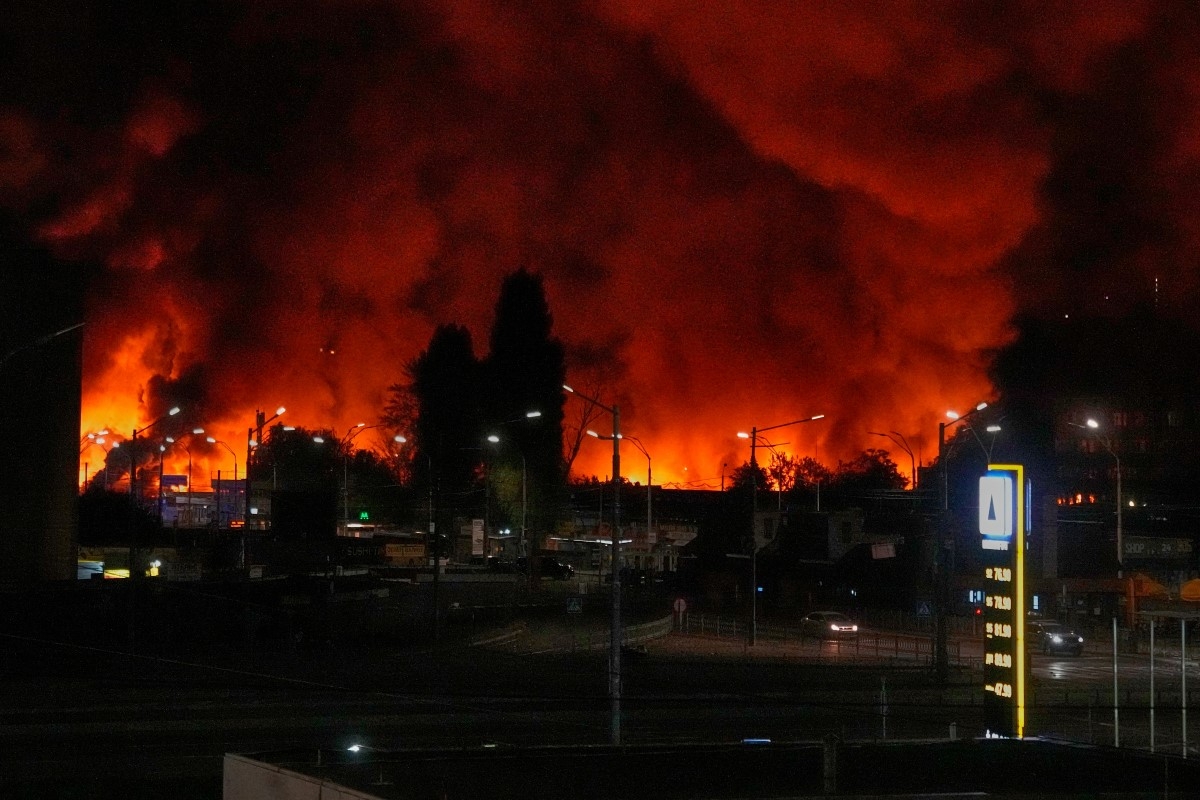
After a period of being almost frozen, the conflict intensified again this summer. Russia stepped up attacks on Ukrainian cities using ballistic missiles and UAVs, concentrating mainly on the capital Kyiv. In response, Ukraine launched numerous UAV strikes deep in Russian territory, targeting oil refineries, petrol stations, logistics facilities, and warehouses belonging to retail groups. These attacks are an escalation by both sides, and “red lines” have become blurred.
More than 430 civilians were killed and more than 2,600 injured in Ukraine in July, while 80 people were killed and more than 600 injured in Russia, according to the United Nations Human Rights Monitoring Mission in Ukraine (HRMMU). July saw the highest number of civilian casualties since mid-2022. The number of civilian infrastructure targets being destroyed on both sides is also expanding.
UN Deputy Spokesperson Farhan Haq said: “These latest series of attacks follow an alarming pattern of escalating strikes against populated areas, reportedly resulting in a record level increase in numbers of civilian casualties and widespread destruction of residential and civilian infrastructure in Ukraine, as well as increasingly in the Russian Federation.”
The escalation of attacks and counterattacks seems to ignore the widely expressed opinion that “there's no military solution to the conflict”. Russia’s accelerated weapons production and the US’s plan to authorize Ukraine to produce Patriot air-defence missiles suggest both sides are preparing for a prolonged conflict.
Thomas Withington, an Associate Fellow at the Royal United Services Institute, the UK's leading defence and security think tank, said: “This is not going to be a fix for the weapons. Let's say this is not going to be a fix for the air defense threats Ukraine is going to face tomorrow. What it is going to do is illustrate to Russia that Ukraine is preparing herself for a prolonged air war, and is prepared to defend itself during a prolonged air war. That's an important political signal to Russia.”
Escalating confrontation
Another front is heating up: “grey-zone” confrontations between Russia and NATO. Last Sunday, Romania’s Defence Ministry reported that Spanish fighter jets had shot down a UAV in Romanian airspace, near the border with Ukraine and Moldova. Similar incidents are occurring more frequently, in Poland, in NATO states in the Baltic and Balkan regions, and even in Germany and France. European officials are sounding urgent alarms over escalating "hybrid warfare" tactics, referring to non-traditional and unofficial forms of conflict that could have serious consequences.
The Russia-Ukraine conflict reflects the failure of US-Russia diplomatic efforts since their summit in Alaska last August. Moscow has accused Washington of breaking "Alaska understandings" from the 2025 summit and demanded clarity regarding US involvement in Ukrainian drone strikes hitting deep inside Russian territory.
Russian Foreign Minister Sergei Lavrov said: “We have submitted formal questions to the US State Department regarding alleged American intelligence sharing and deep involvement in planning and executing long-range strikes deep inside Russian territory. We are waiting for a response.”
Russia has also issued a warning to European countries. President Vladimir Putin said last Wednesday that Russia will respond in kind if European countries start to seize Russian merchant vessels, which Russia sees as a violation of international maritime law. European countries argue that the vessels belong to Russia’s “shadow fleet”, which are being used to circumvent Western sanctions.
For the first time, Moscow has threatened a direct response. This unprecedented warning highlights a deepening crisis, pushing the conflict dangerously close to a threshold where it can no longer be contained.