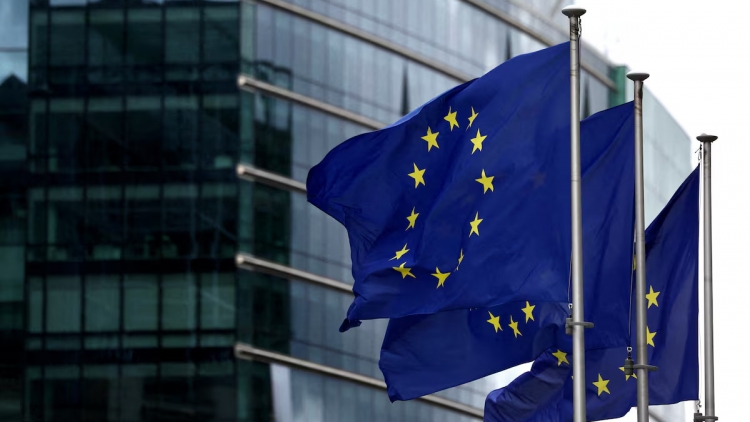




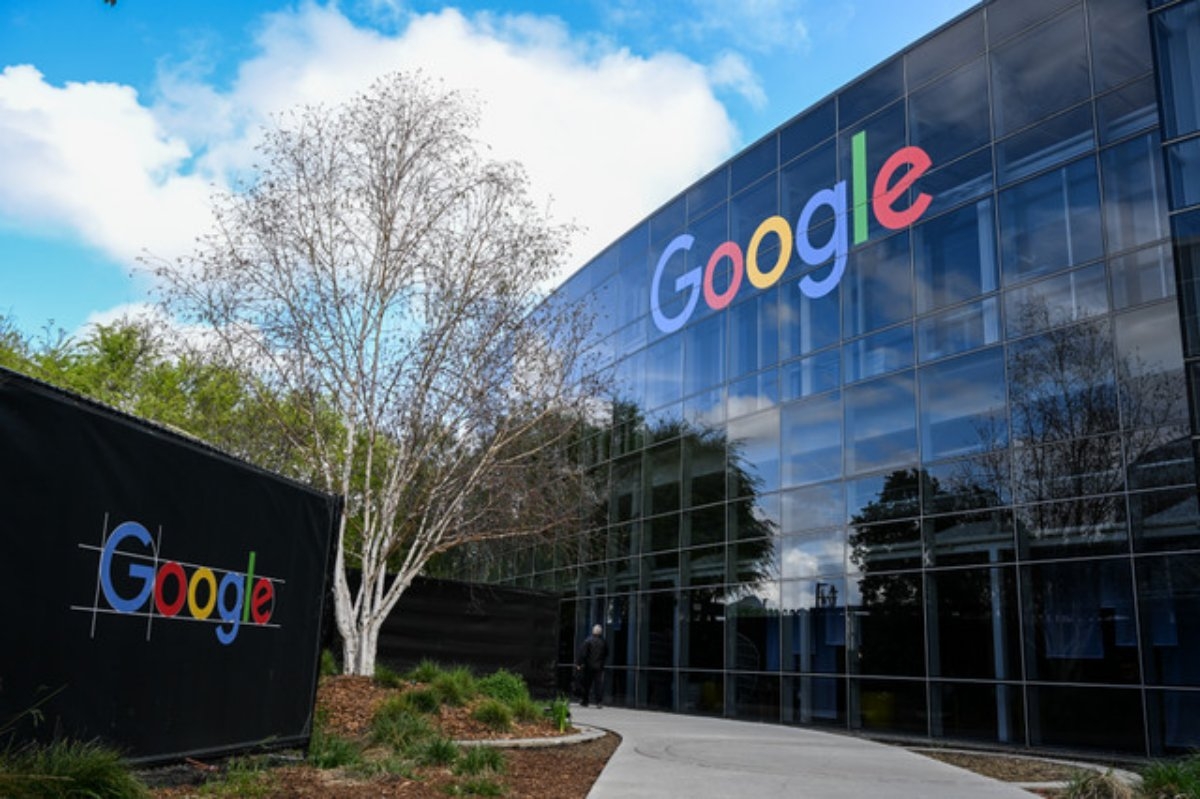
The historic penalties imposed on Google follow a series of measures taken by the EU in recent years to tighten management of foreign big techs, particularly those from the US and China, amid concerns about security and technological sovereignty.
Strengthening regulations
The EC announced the fine against Google on Thursday over alleged self-preferencing practices and unfair treatment of app developers. It’s the largest fine ever imposed under the Digital Markets Act since it came into force in 2024.
A fine of 538 million USD was imposed on Google for giving preferential treatment to its own services, including Google Flights and Google Hotels, in Google Search results, putting rival providers at a disadvantage. A 503 million USD penalty is for Play Store rules preventing developers between March 2024 and December 2025 from freely steering consumers to alternative payment systems that may be cheaper.
EC Executive Vice-President for Competition Teresa Ribera said the decision aims to ensure fair competition, where products succeed because of their quality rather than the market dominance of digital platforms. European consumers have the right to access the best choices and prices, she said.
The EC has rejected claims of discriminatory treatment raised by Google, noting that European investigators held nearly 90 meetings with Google during the investigation and gathered substantial evidence.
"Google claims that we are degrading products or blocking American companies from innovate or operate in the EU, it's the opposite,” EC spokesperson Thomas Regnier said. "Let me allow to set the record straight on this one: the current situation is that you have gatekeepers who are blocking European innovation, and you have gatekeepers who are blocking European companies to compete and innovate fairly. So, what we're asking Google with these fines is to get into compliance with the DMA, and to offer a level playing field, at least in the European Union."
The Commission has given Google 60 days to fully comply with its rules or face additional daily penalties.
The EU had previously fined Google a total of 9.6 billion USD in several competition cases between 2017 and 2019. In 2025, Google lost its appeal against a 4.8-billion-USD fine for abusing Android's dominant market position. Besides Google, the EC has significantly ramped up enforcement against Meta, Tik Tok, and other big tech giants, for failing to guarantee child safety and data transparency.
The limits of compromise
The latest penalty against Google has increased tensions between the EU and the US. While the EU sees the Digital Markets Act and the Digital Services Act as essential tools for protecting the bloc's technological sovereignty, the US views them as measures to weaken American technology giants in the European market.
Following the EC’s latest ruling against Google, US President Donald Trump warned that the EU will "pay a very heavy price" for what he described as an "illegal" action. He said he would immediately launch an investigation under Section 301 of the 1974 Trade Act and intended to impose "substantial tariffs" on the EU soon. A growing number of American politicians and policy experts have also taken a tougher stance towards the EU.
"What Trump says when he talks about the EU. Once you get pass the rhetoric about 'it's unfair' and 'they're cheating us,' the specifics are they have a value-added tax, which he thinks is a subsidy, and they have digital trade rules that, he thinks discriminate against American companies. He's right about that one," said Bill Reinsch, Senior Adviser at the Center for Strategic and International Studies.
Analysts say the EU is unlikely to compromise on the Digital Markets Act and the Digital Services Act, as both are regarded as fundamental safeguards of the bloc's technological sovereignty at a time when Europe continues to lag behind the US and China in technological development.
European public concern about foreign tech giants centers on market control and threats to individual freedoms.
"We saw how the US government was able to stop Europeans having access to some of the most powerful AI in the world. So that's why it's more important than ever that European leaders really stand up to Trump and his Big Tech cronies," said Ava Lee, Executive Director of People vs. Big Tech, a European civil society organisation campaigning against the excessive power of major tech companies.
Following President Trump's warning, EU officials said they’re ready for talk with Washington to ease tensions, but said the EU will continue to defend its regulatory autonomy in setting its own rules.