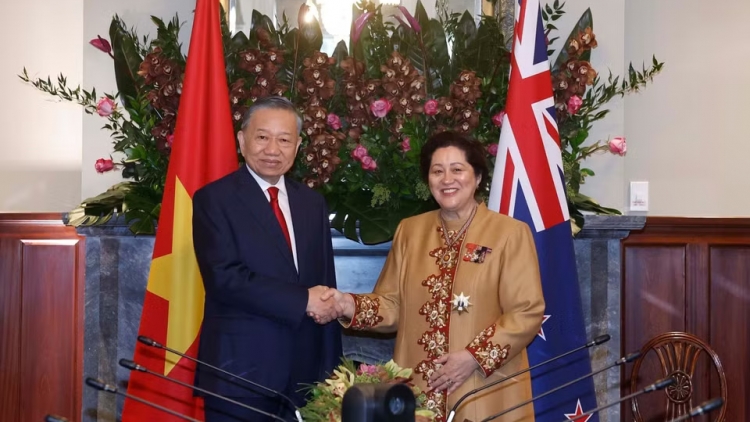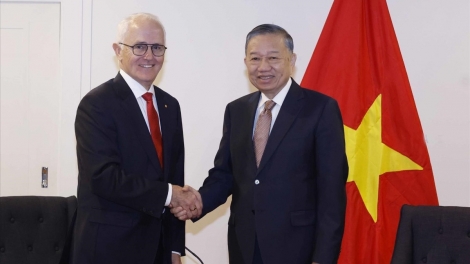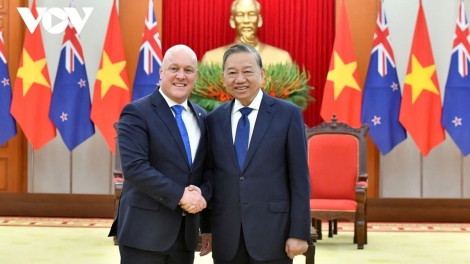




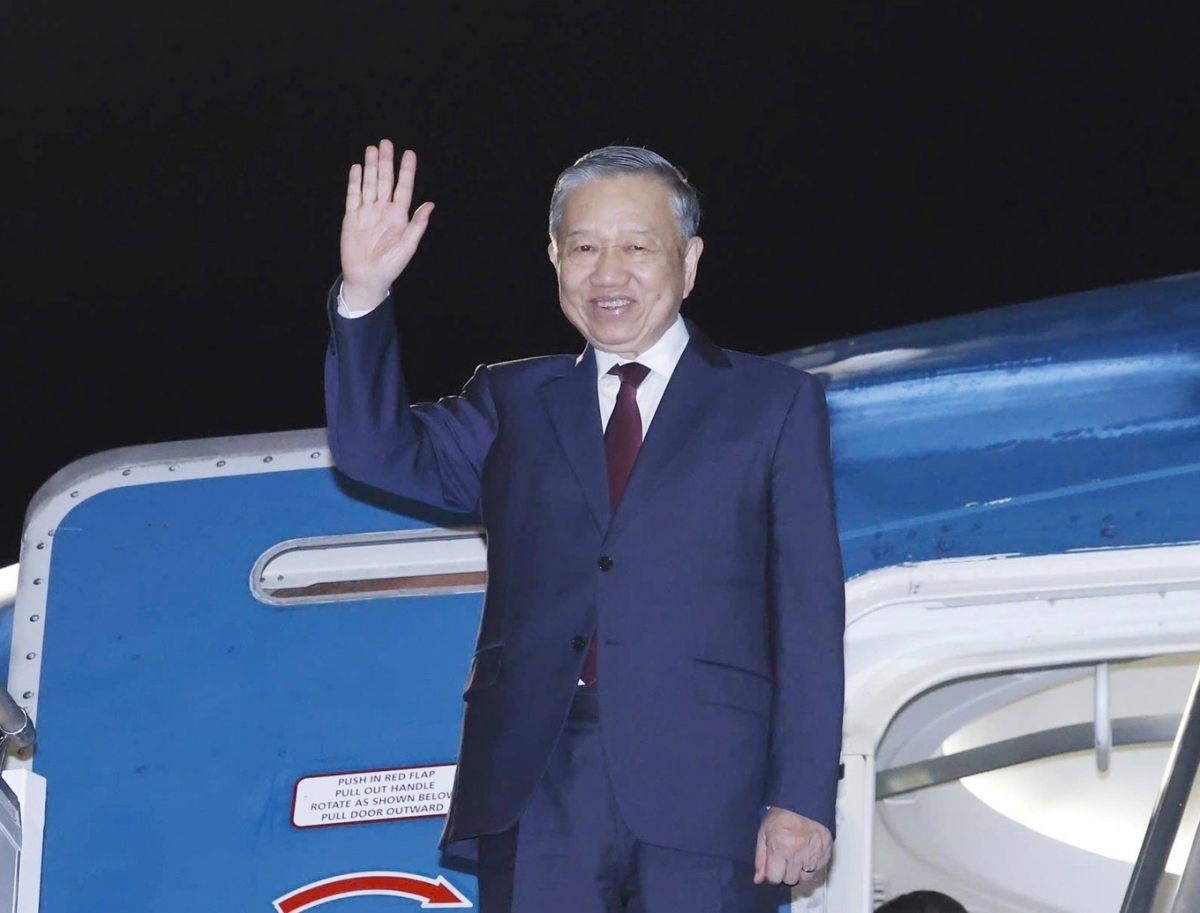
For the first time on a single diplomatic trip, Vietnam’s top leader paid state visits to both Australia and New Zealand. The visits built trust and marked a clear shift toward translating political commitments into concrete programs that promote development.
Vietnam signed 3 joint statements and 13 cooperation documents with Australia, and 1 joint statement and 5 cooperation documents with New Zealand, but the importance of the visits lies mainly in the areas selected for cooperation and the alignment of commitments with each country’s long-term development priorities.
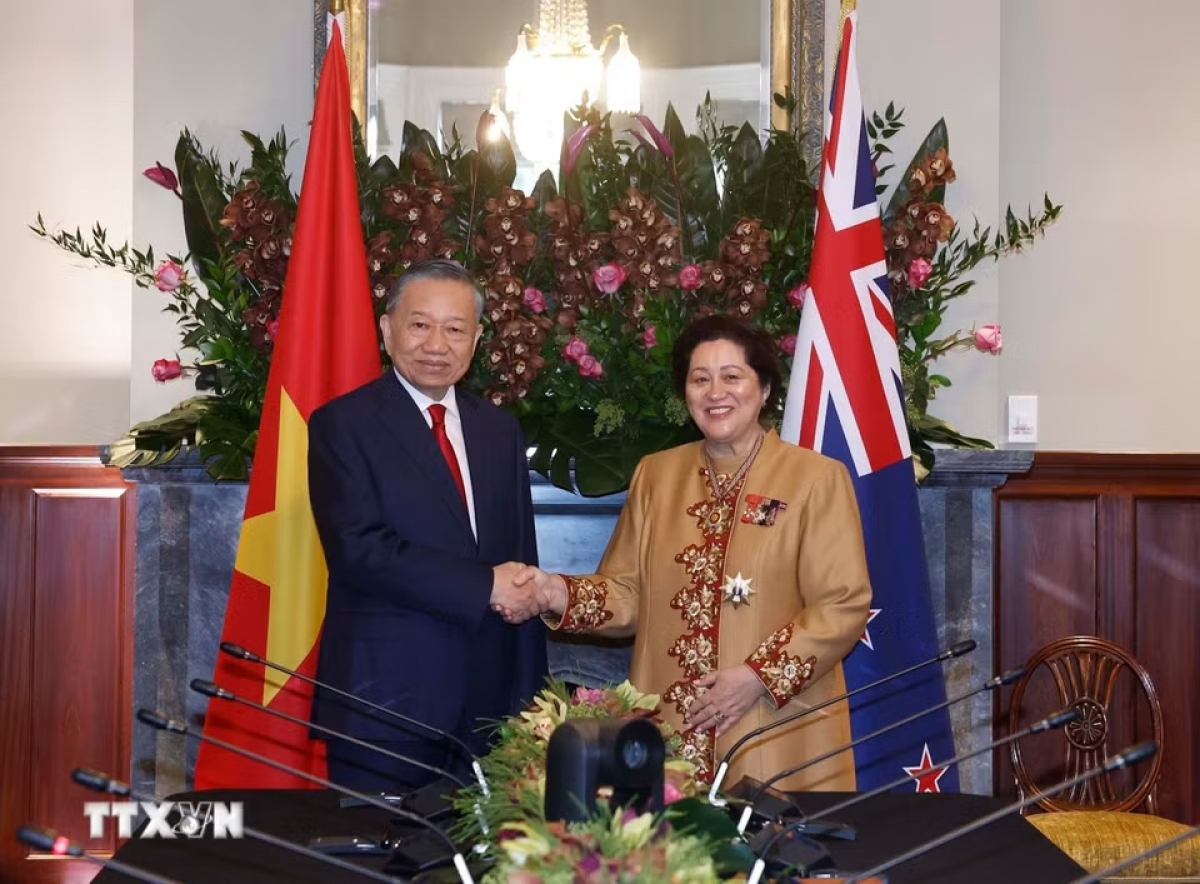
From elevating relations to generating development momentum
Party leader and President Lam’s intensive agendas showed that Vietnam’s cooperation with the two countries is entering a new phase, with greater emphasis on the quality and depth of cooperation.
“With Australia, it’s about strengthening cooperation to enhance the resilience of the economy amid regional and global challenges, and promoting connectivity in science, technology and innovation, viewing these as new drivers of bilateral relations. With New Zealand, cooperation is about expanding high-quality human resource training, promoting direct air routes to enhance people-to-people exchanges and facilitate bilateral trade and investment. Cooperation in these areas will have profound and long-term impacts on each country’s economic development and the Comprehensive Strategic Partnerships between the two countries,” said Dr. Nguyen Hong Hai, Senior Lecturer at VinUniversity and Fulbright Visiting Scholar in Residence at American University.
In both Australia and New Zealand, cooperation is increasingly focused on things that build long-term competitiveness – science, technology, innovation, education, human resources, and economic connectivity. While seeking more markets, investment capital, and trade opportunities, Vietnam is actively connecting with the world’s knowledge, technology, innovation networks, and high-quality human resources.
This approach is consistent with the new development model endorsed at the recent 3rd plenum of the Party Central Committee, which identifies science, technology, innovation, digital transformation, human resources, and international integration as the key drivers of growth.
Party leader and President Lam said at the Vietnam-Australia TechConnect Forum, “Vietnam is making a strong shift from attracting investment to cooperation for mutual development, from receiving technology to co-creating technology, and from participating in value chains to securing positions with higher added value in global value chains. Australia is promoting its Southeast Asia Economic Strategy to 2040, the ‘Future Made in Australia’ program, and building sustainable and resilient supply chains with Southeast Asia. This creates a foundation for the two countries to promote future cooperation.”
Mr. Lam’s visits reaffirmed the Vietnamese Party and State’s recognition of the resources represented by overseas Vietnamese communities. Vietnamese intellectuals, scientists, and businesspeople in Australia and New Zealand are encouraged to bring their knowledge, technology, and international connections back to Vietnam to contribute to national development.
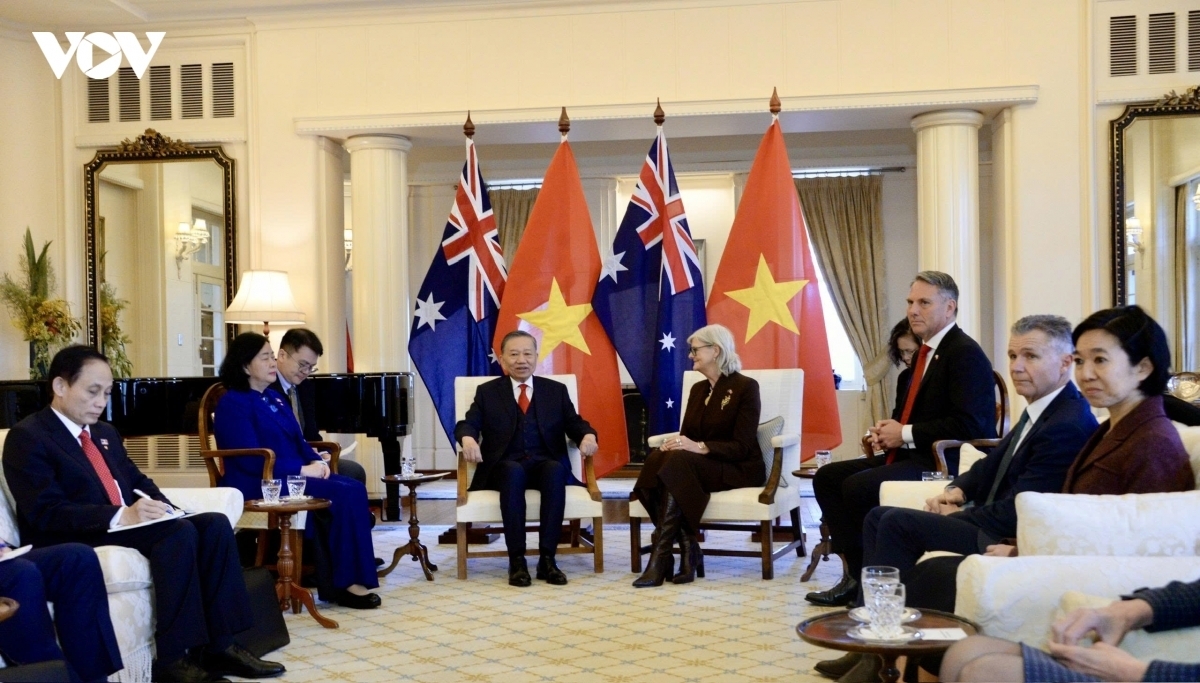
A vision for the future
Assessing the cooperation agreements with Australia and New Zealand, Dr. Nguyen Hong Hai said, “Signing cooperation documents is a prominent outcome of any visit. The question afterwards is how to translate commitments into practice and deliver tangible value. The policy direction under our new development model is to make a strong shift from attracting investment to pursuing cooperation for mutual development, and from receiving technology to co-creating technology. The key concepts here are ‘mutual development’ and ‘co-creation’. Under this new development model, the State and businesses must work together on the implementation with concrete activities.”
Based on the direction established during Party leader and President Lam’s visits, cooperation with Australia and New Zealand will go beyond trade, investment, and education to encompass deeper cooperation in science, technology, innovation, high-quality human resource training, supply chain connectivity, and the expansion of regional economic and knowledge networks.