



Strains in the alliance
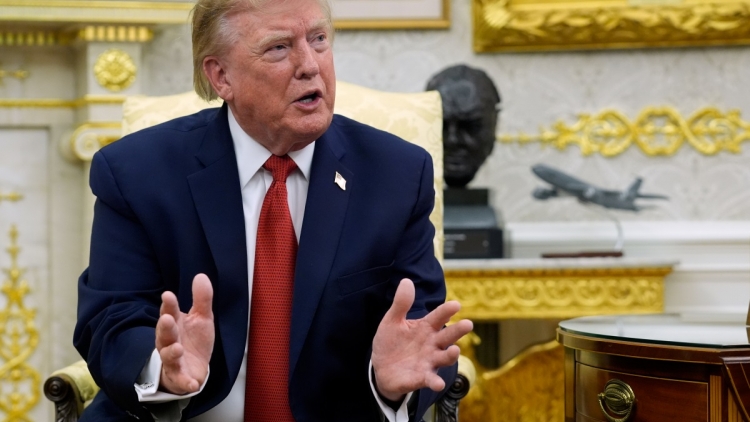
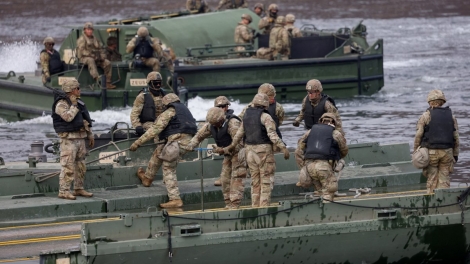
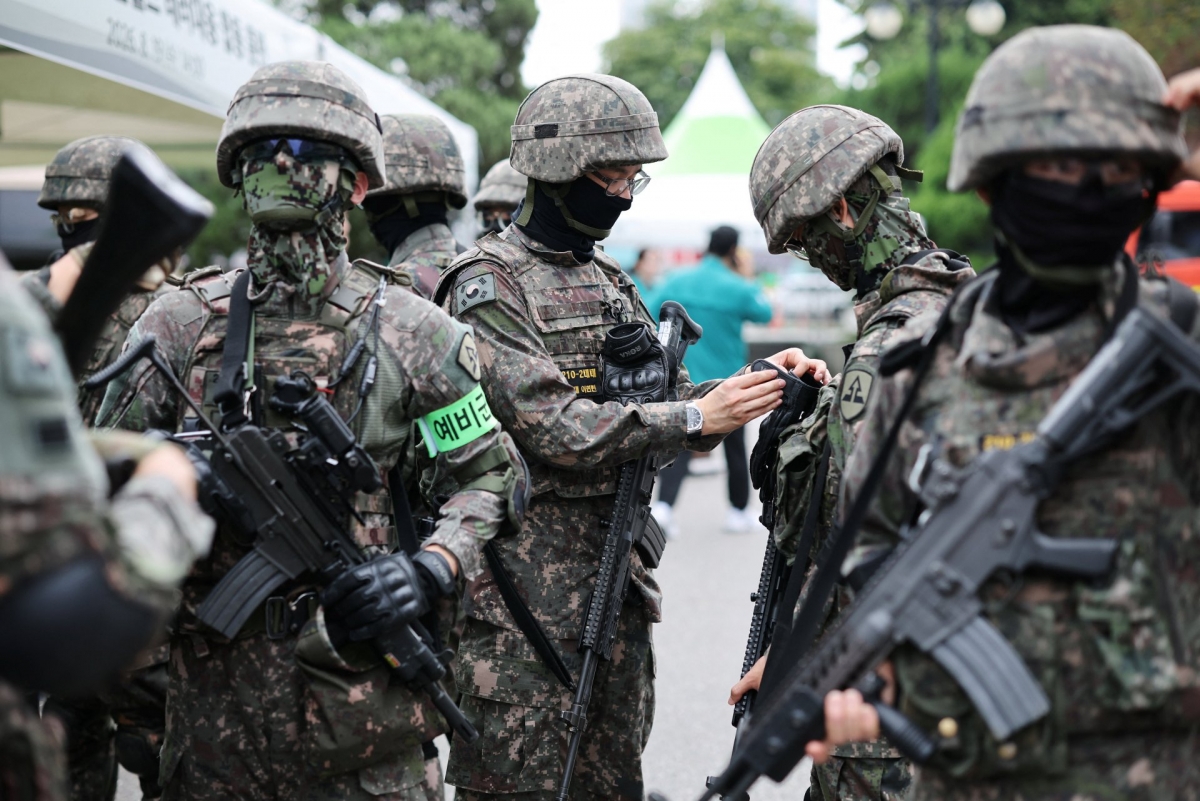
President Trump’s decision to scale back the UFS military exercise came as a surprise to all sides, as he only announced it on the social media platform Truth Social shortly before the exercise was due to begin. This is the first time during his second term that Trump has publicly asked to reduce military drills with South Korea, saying such large-scale joint military exercises are costly and send a hostile, inappropriate signal given his good relationship with DPRK leader Kim Jong-un.
During his first term, from 2016 to 2020, Trump repeatedly criticized joint US-South Korean exercises as a “waste of money”, leading to some joint training activities being canceled or reduced in scale. Observers say Trump’s last-minute decision to scale back the UFS exercise sends a signal for US-South Korean relations and the security environment of East Asia.
“This reflects his frustration with South Korea, which, despite being an ally, has not supported the US in its conflict with Iran. What does this imply for the future? Basically, it sends the message that if South Korea does not share the burden and actively participate in US regional or global strategies, the US can adjust its level of security commitment to the country," said Dr. Cha Du-hyeogn, an analyst at the Asan Institute for Policy Studies in South Korea.
In addition to demands for greater security burden-sharing from South Korea, analysts have also pointed to economic factors behind Trump’s decision.
In September 2025, Trump said that South Korea proposed an “immediate” package of 350 billion USD in loans, credit guarantees, and equity investments in the US, in exchange for the US reducing its import tariffs from 25% to 15%. But nearly a year later, none of the investment or trade projects under the agreement have been implemented.
Trump has repeatedly expressed his anger publicly over the delays. The scaling back of the UFS exercise is also seen as a pressure on Seoul to quickly fulfil its investment and trade commitments before the January 2029 deadline and increase its contribution to joint defense activities and its support for broader US foreign policies.
Resuming US-DPRK dialogue
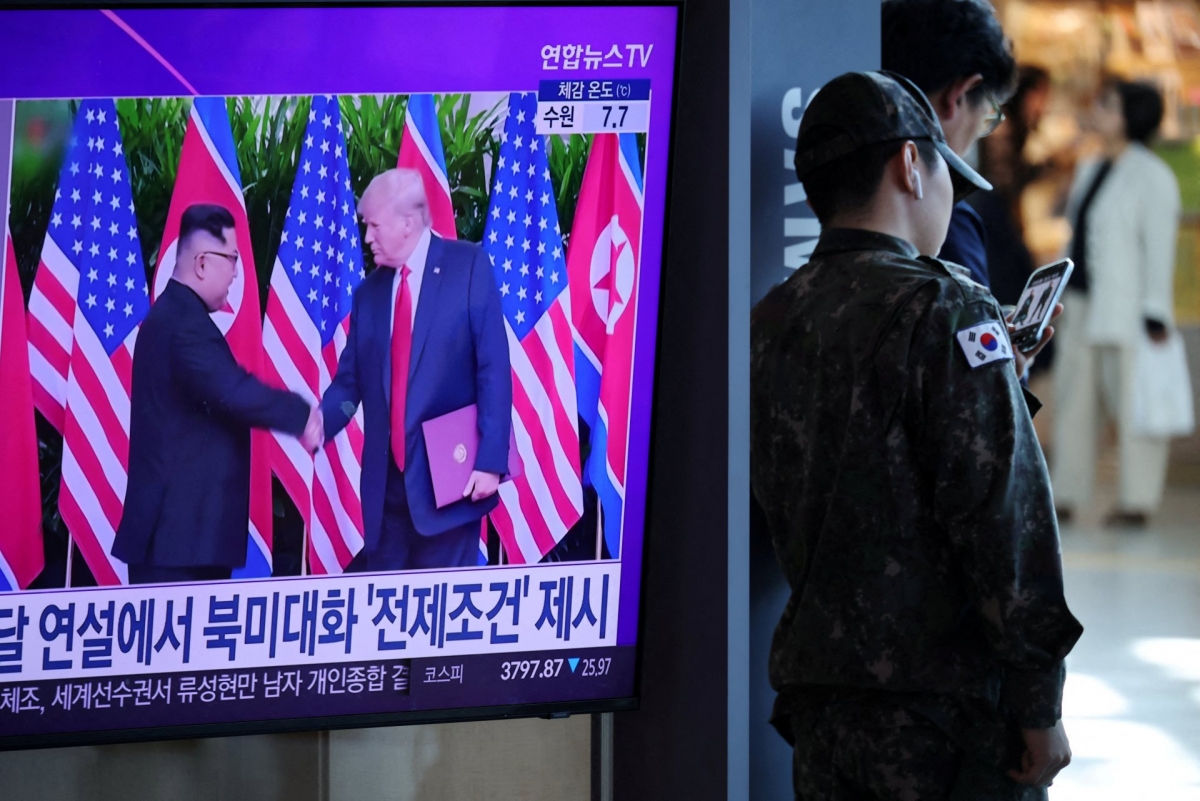
On Wednesday, Trump said he expects to meet leader Kim Jong-un later this year to restore the relationship that he established during his first term. On Thursday, Trump cited the specific figures of the DPRK’s nuclear warheads, which he said would never have happened if the policies of his first term had been maintained.
“It's very clear that Donald Trump has wanted to meet with Kim Jong Un ever since he came back in this second term. He's put out several fillers already, asking for the resumption of negotiations. The way that he framed this particular move could suggest that he is trying to create a diplomatic opportunity using the delay or the reduction of these military exercises as a way to signal that intent. Although the way that he's done it is so haphazard. It’s unlikely to have the kind of impact that he may have wanted it to have, and especially outside of the context of actual negotiations ongoing anyway,” said Jenny Town, Director of the 38 North program at the Stimson Center, a US policy think tank.
A major question is how Trump’s recent moves will affect the security environment of East Asia. Observers say scaling back the UFS exercise could affect the combat readiness of the US-South Korean alliance. On the other hand, it could strengthen South Korea’s “independence” and lead to Seoul assuming wartime Operational Control (OPCON), which is currently held by the US. It will surely make US-DPRK negotiations more complicated, as the responses of Seoul and Pyongyang are not yet known.
“It'll be really interesting to see in the coming weeks, how North Korea responds to it, also how South Korea and the South Korean government, South Korean military, respond to this abrupt action," said Town.
Although President Trump has not specified a time or location for his meeting with Kim Jong-un, US media suggests it could take place in November when Trump attends the Asia-Pacific Economic Cooperation (APEC) Leaders’ Meeting in China.