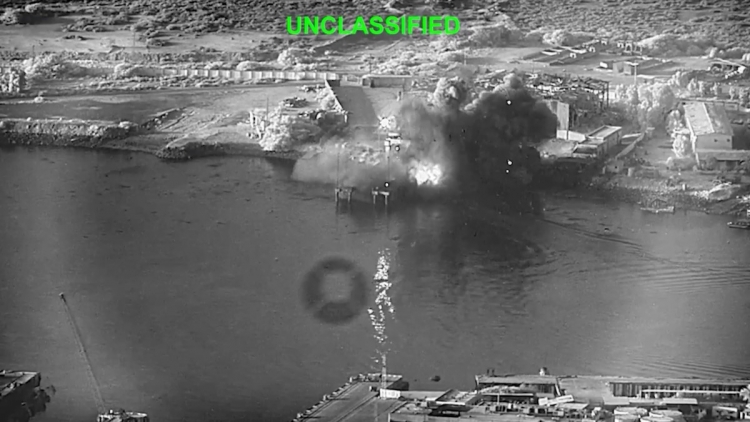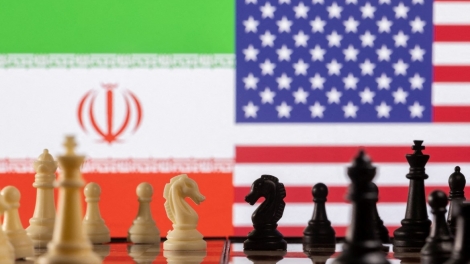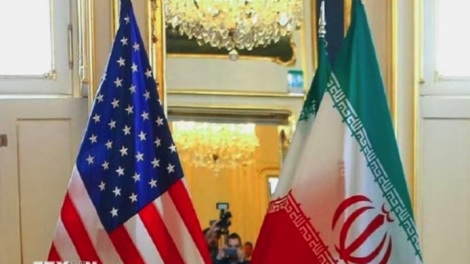




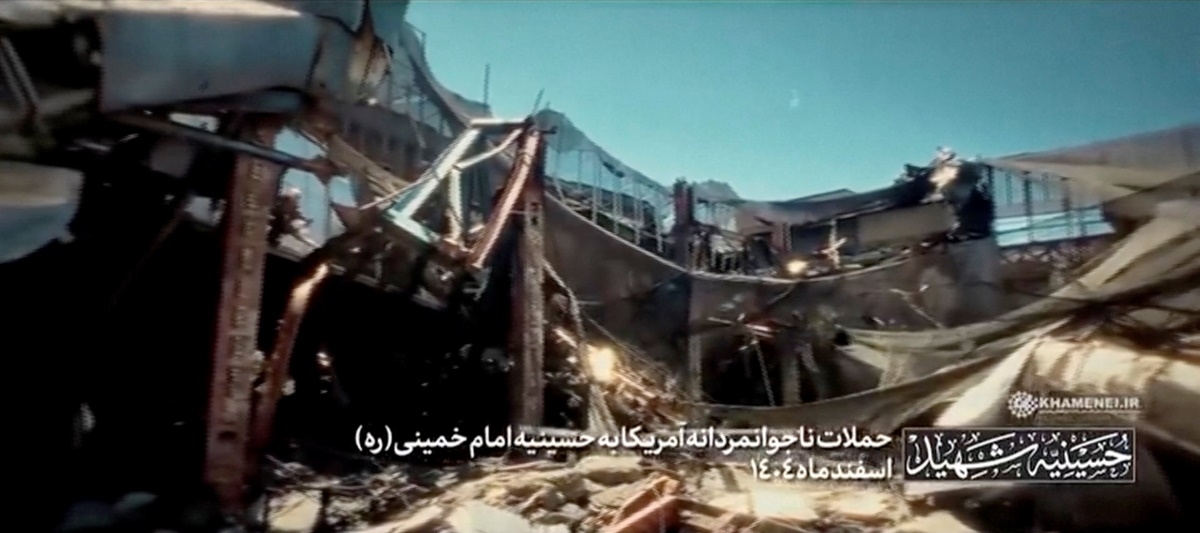
Since US President Donald Trump declared on July 8 that the US-Iran ceasefire was "over," American military has launched a series of large-scale strikes against Iran. Tehran has responded by targeting US military bases and facilities of the US and its allies in the Gulf region.
Inevitable scenario
The growing military exchanges between the US and Iran have been fueled by increasingly uncompromising rhetoric from leaders on both sides. On Monday, President Trump announced the reimposition of a naval blockade on Iranian ports and suggested that the US charge a 20% fee on "all cargo shipped, for any and all costs necessary to do the job of providing safety and security". The statement is widely interpreted as an attempt to establish de facto control over the strategic waterway. Iran, meanwhile, has continued retaliatory attacks against US and allied interests in the region and has also declared the Strait of Hormuz closed since Sunday.
The latest developments mirror the height of the previous US-Iran confrontation, with one notable exception – that Israel has not entered the fighting. Most analysts argue that the root cause of the new outbreak is fundamentally different interpretations of the memorandum of understanding signed by Washington and Tehran on June 17, particularly the vaguely worded provisions concerning the Strait of Hormuz.
Thomas Juneau, a Middle East and North Africa specialist at the UK’s Chatham House, said: “Initially, the memorandum of understanding between the US and Iran had two objectives – to stop the fighting and to lead to the reopening of the Strait of Hormuz. It also, beyond that, set very broad, very vague parameters for talks on a range of more complicated issues. The challenge, however, is that because of the vagueness of the terms of the MOU, it was largely inevitable that there would be disagreements between the two sides, that there would be disagreements on the interpretation of the vague terms, and that what was meant to be a ceasefire would, in fact, not lead to a cessation of the violence. That was predictable, and that is pretty much exactly what we've seen since then.”
Aaron David Miller, a senior fellow at the Carnegie Endowment for International Peace and a former US State Department Middle East negotiator, believes the Trump administration underestimated Iran's determination to maintain control over the Strait of Hormuz. Iranian leaders frequently characterize the Strait of Hormuz as their most critical strategic asset, asserting it is even more vital to national security than possessing a nuclear arsenal. As a result, even Washington's maximum-pressure strategy is unlikely to alter Iran's position, even if the US were to launch a full-scale military campaign.
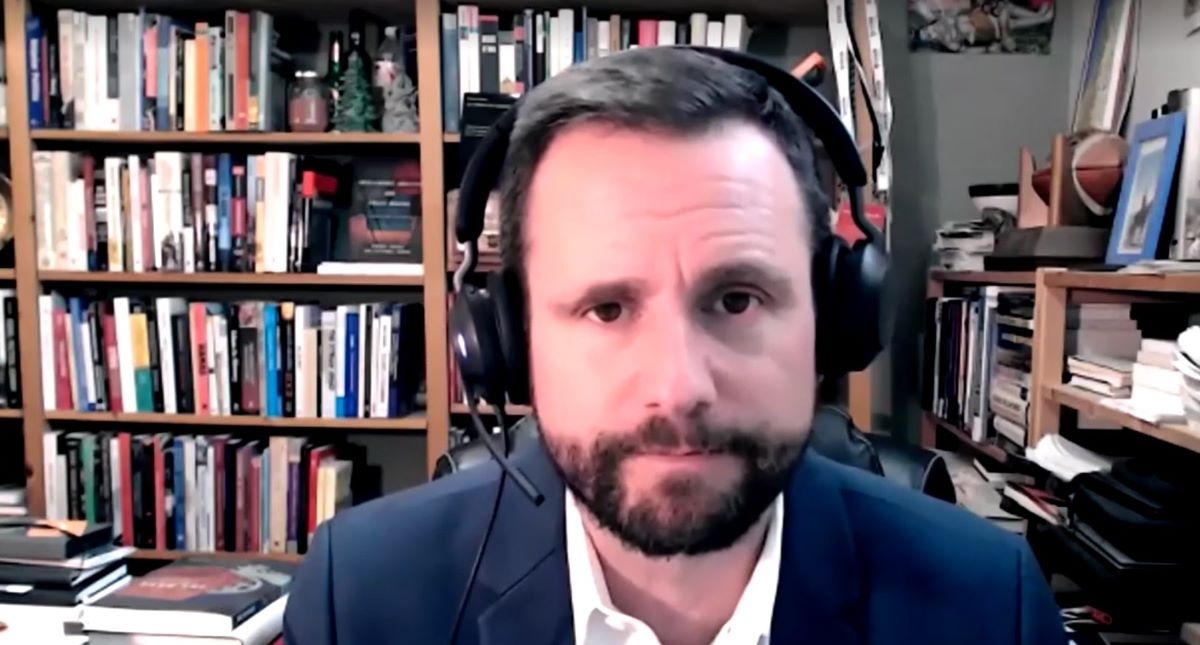
Miller said: “I don't think the Trump administration wants that. This could be the new normal, although I suspect that's not sustainable. The naval blockade could be re-imposed, and Iran will begin to hurt economically, but then again, so will the international oil economy.”
Backchannel diplomacy
The renewed escalation has further weakened already slim prospects for a diplomatic breakthrough. The latest US-Iran contacts have taken place indirectly in Doha, with Qatar and Pakistan serving as mediators. Plans outlined in the June 17 memorandum for a 60-day dialogue process in Switzerland, even at the technical level, now appear increasingly unrealistic.
Yet observers argue that diplomacy has not completely collapsed. President Trump's declaration that the ceasefire was "over" does not necessarily mean all diplomatic efforts have ended. During the first 18 months of his second presidential term, Trump's public statements have not always reflected his ultimate negotiating intentions, and he has often reversed course within days. Thomas Juneau said: “So when he says that the ceasefire is over, he partially means it in the sense that it expresses his skepticism towards the ceasefire, which I think pretty much everybody shares. But at the same time, he has also said that he is open to continuing negotiations, even if only indirectly with Iran. So from that perspective, if we take a couple steps back, the ceasefire is absolutely in a fragile and difficult position, but it is not necessarily over.”
Despite the current escalation, most analysts agree that diplomacy remains the only viable long-term solution. More than three months of direct confrontation involving the United States, Israel and Iran have demonstrated that there is no purely military solution to the crisis. Behind-the-scenes diplomatic channels remain open. Saudi Arabia, the United Arab Emirates, and Pakistan continue to press the US and Iran to reduce tensions in the Strait of Hormuz, reflecting growing international concern over global energy security and economic stability.
Although the prospects for a comprehensive peace agreement are remote, mounting economic pressure, energy market risks, and the cumulative costs of continued retaliation could eventually compel both sides to accept a temporary risk-reduction agreement, a pragmatic step that could pave the way for broader peace negotiations in the future.