



Merging to increase effectiveness
The program was created by merging four programs on cultural development; modernizing and improving the quality of education and training; new rural development program and poverty reduction in ethnic minority and mountainous areas; and healthcare and population development. The newly-integrated program will be implemented nationwide, with priority given to especially disadvantaged communes and villages, islands, and ethnic minority, mountainous, and border areas.
This merger will address the problems of overlapping policies, fragmented resources, and duplication in target areas. It will not narrow the scope or reduce the benefits of any target group, but will make administration more streamlined and flexible. Ongoing projects will not be interrupted. Ethnic minority and mountainous areas will continue to receive priority in infrastructure investment, livelihood development, education, healthcare, culture, and digital transformation.
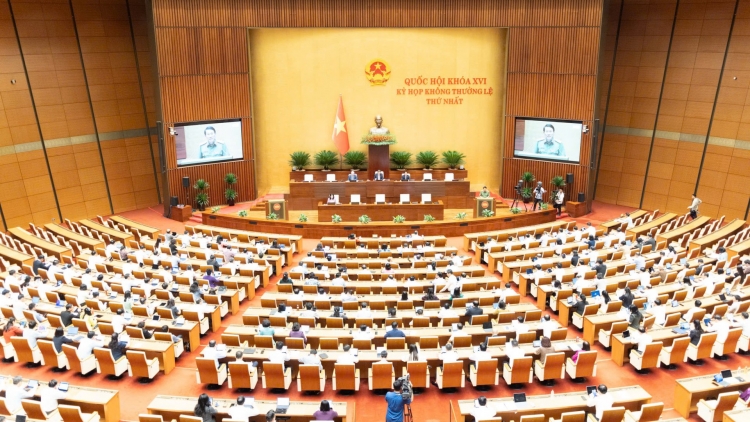
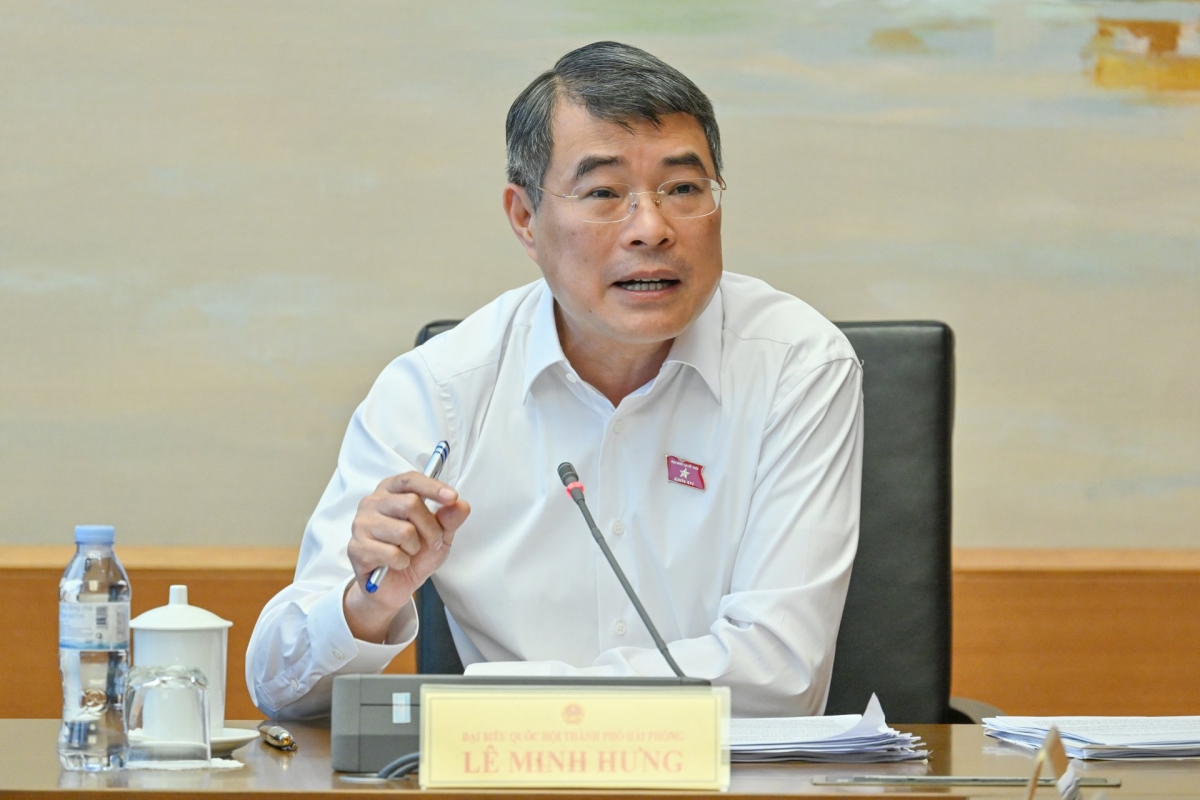
Prime Minister Le Minh Hung said: “It’s necessary to coordinate the management of all four national target programs to create a driving force for development, particularly in disadvantaged areas, ethnic minority communities, and rural and mountainous regions. Resources must be allocated and used for the right purposes and beneficiaries, focusing on key priorities and avoiding duplication or fragmenting of resources. We must prevent loss, waste, and negative practices, and strive to disburse 100% of the central budget funds for 2026.”
Economic growth only truly matters when its benefits are shared equitably. With resources totaling 32 million USD, the program focuses on the country’s poorest areas, ethnic minority communities, border regions and islands. Specific targets set for 2030 are the evidence.
Average rural incomes in 2020 are expected to multiply under the program 2.5 to 3 times by 2030. The average income of ethnic minority people is expected to reach 50% of the national average. The target rate of multidimensional poverty among ethnic minority and mountain communities is below 10%. By 2030 all Vietnamese citizens are expected to have an electronic health records, and the target rate of stunted growth among children under five is below 15%.
A long-term vision to improve human resources and cultural strength
The program’s long-term vision is to make Vietnam a developed country by improving the quality of human resources, strengthening cultural capacity, and making English a second language in schools. By 2035, 60 colleges are expected to reach ASEAN-4 standards; 6 will approach G20-level standards; at least 12 universities are expected to rank among the top 200 in Asia, and 2 among the world’s top 100 in selected disciplines.
The program also aims to improve people’s cultural lives, preserve cultural heritages, develop human resources in culture and the arts; and promote cultural industries. By 2030, the cultural industries are expected to contribute 7% of GDP.
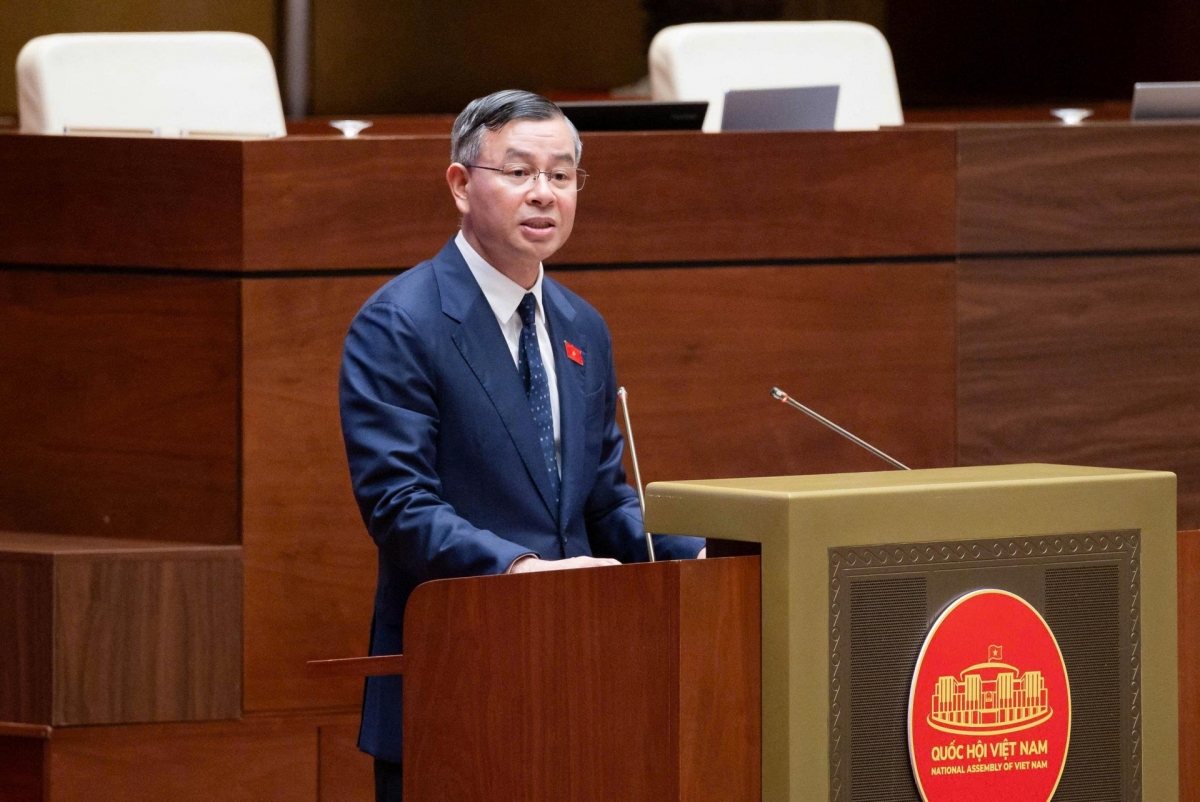
Minister of Finance Ngo Van Tuan said: “The value of the merger must be measured by more policy coordination, resources reaching the right beneficiaries more quickly and accurately, more proactive local authorities, simplified procedures, clearer responsibilities, and, ultimately, greater benefit to the people. Immediately following National Assembly approval, the Government will organise coordinated implementation to ensure there are no missing middles and people’s benefits are not reduced. The Government will take responsibility before the National Assembly for effectively using the program’s resources.”
This program marks a shift in the approach to social security. Instead of fragmenting resources, investment will be concentrated on key priorities. By adding education, healthcare, and culture to economic growth as a foundation for development, Vietnam is creating a development model in which geographical and ethnic disparities will be steadily narrowed.