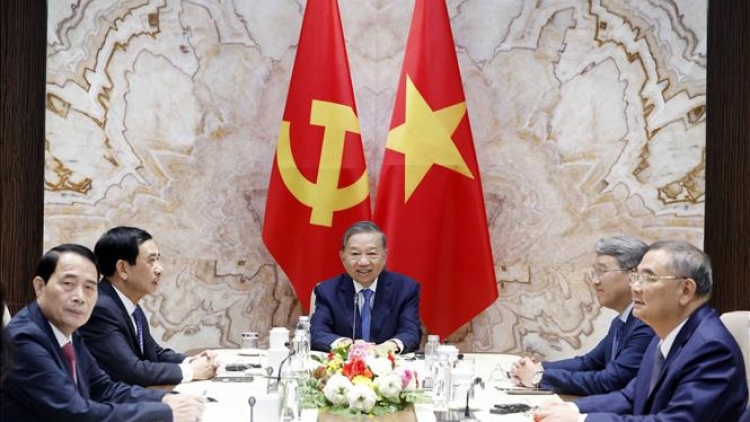




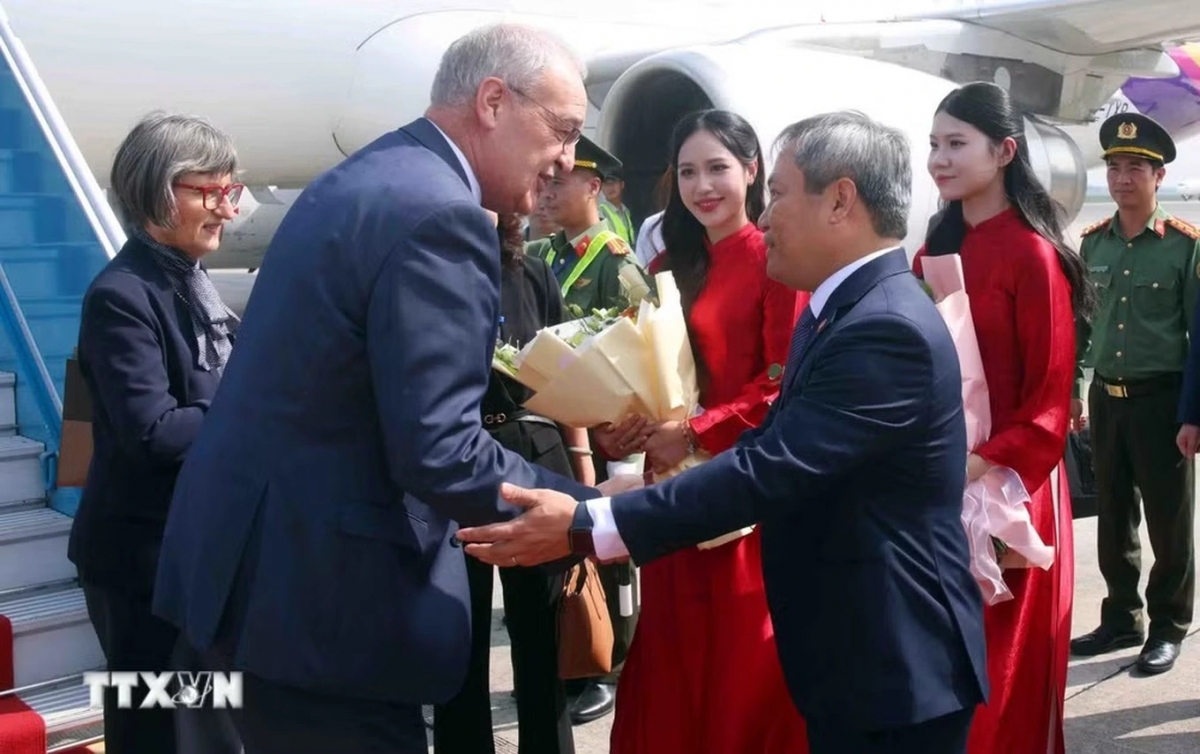
After more than half a century, Vietnam and Switzerland are well-positioned to expand cooperation by leveraging their complementary strengths. As Vietnam accelerates its industrialization, digital transformation, and green transition, Switzerland offers expertise in technology, scientific research, finance, education, and innovation. Combining the potential of Vietnam’s dynamic economy—supported by an extensive network of international integration—with Switzerland’s advanced technological capabilities and management experience will unlock new opportunities for cooperation.
Vietnam–EFTA Free Trade Agreement opens new gateway
The Vietnam–EFTA Free Trade Agreement (FTA) represents a major economic milestone connecting Vietnam with the four member states of the European Free Trade Association (Switzerland, Norway, Iceland, and Liechtenstein). Concluded in July 2026 after more than a decade of talks, the deal paves the way for a more favorable, transparent, and predictable trade framework.
Amidst the volatility of international trade, the agreement not only creates opportunities for market expansion but also encourages businesses on both sides to diversify their partnerships, strengthen supply chain connectivity, and more effectively capitalize on the respective strengths of each economy.
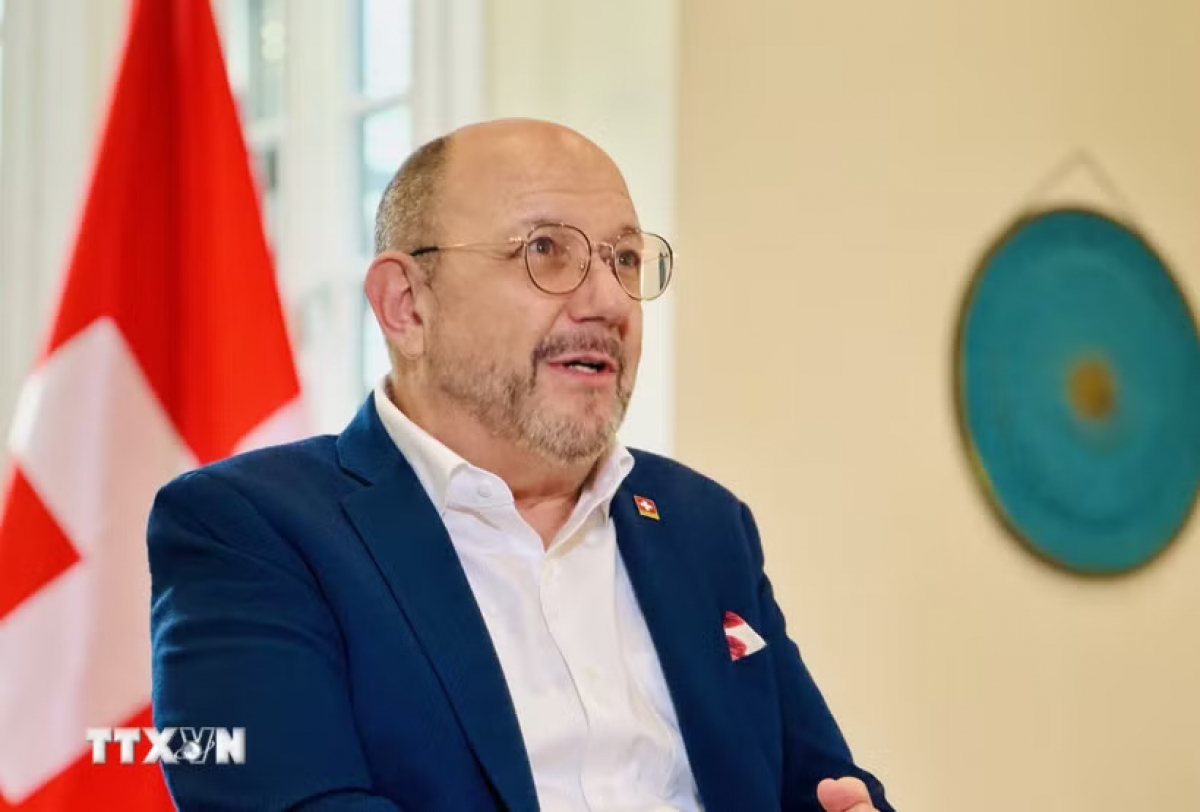
“There’s a lot of power politics and power economy going around and a lot of disruptions of trade. So for Vietnam and for the EFTA countries, including Switzerland, we say no we want to have a predictable framework for trade. We want to reduce tariffs. We want to respect each other’s innovation and each other’s property rights. We want to make sure that we get the best from each side and that we give the best to each other. That’s the meaning of free trade agreement,” said Thomas Gass, Ambassador of Switzerland to Vietnam.
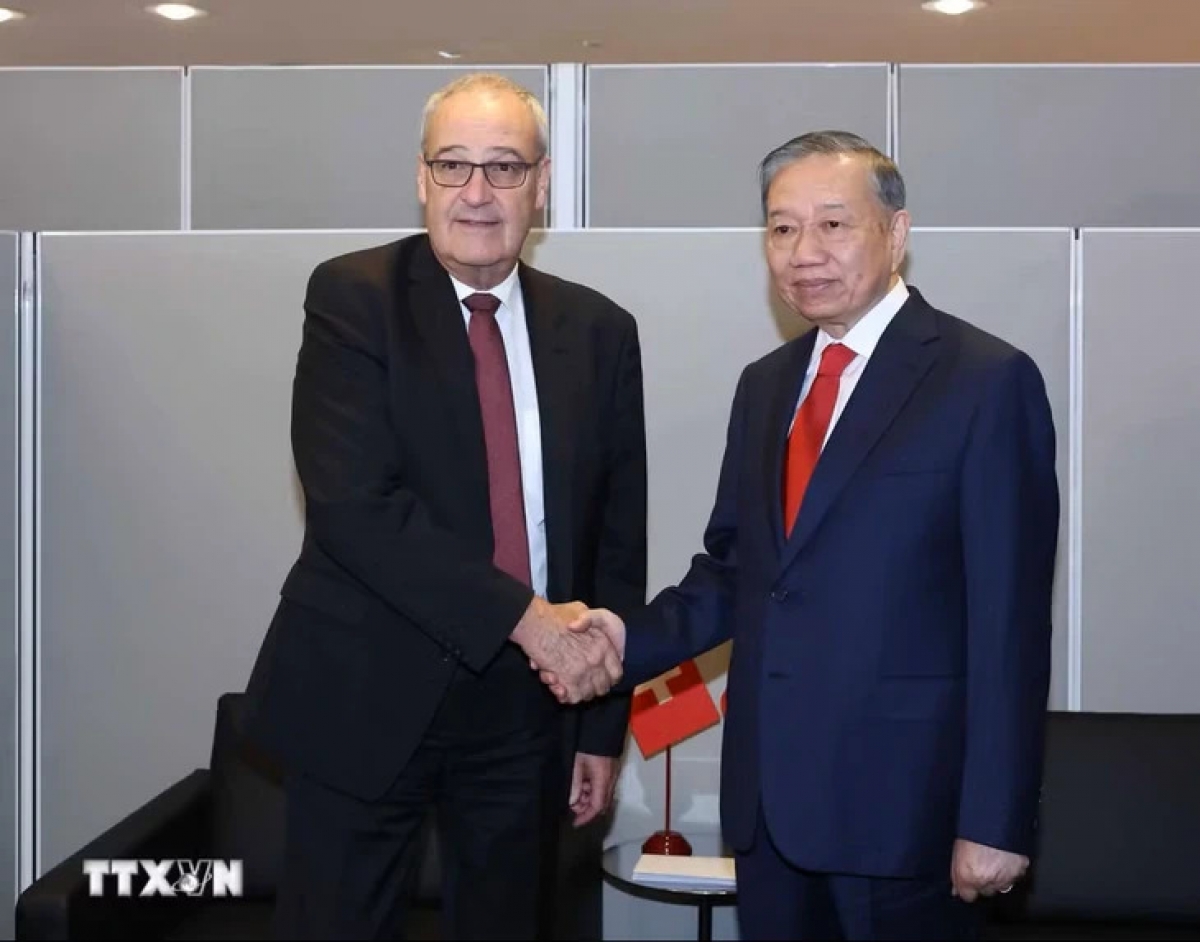
For Vietnam, the agreement enables further exports of key products—such as textiles, footwear, agricultural goods, seafood, and processed items—while facilitating the influx of capital, technology, and management expertise from developed economies. However, to effectively seize these opportunities, Vietnamese enterprises must enhance product quality, competitiveness, and traceability, and meet rigorous standards for the environment and sustainable development.
Beyond trade and investment, there is ample room for cooperation in science and technology, education, healthcare, and innovation. Switzerland’s experience in research, training, and the commercialization of scientific outcomes can assist Vietnam in increasing productivity, developing a high-quality workforce, and integrating more deeply into the high-value-added stages of global production chains.
Cooperation in sectors like digital technology, artificial intelligence, biotechnology, pharmaceuticals, energy, and advanced manufacturing will facilitate businesses, universities, and research institutions from both nations to share knowledge and develop joint projects.
Ambassador Thomas Gass added: “We believe that we have very relevant innovation that can help position the Vietnamese economy in the global value chains. I gave some examples in the automotive sector, energy sector, but also in the pharmaceutical, health sector… I believe that a lot of innovation is also going into your agriculture. So these are all different areas where our research, our universities can work together to make sure that in the end your economy is competitive in the international market.”
The delegation accompanying President Guy Parmelin includes representatives from 15 major Swiss companies and business associations. So, they can identify partners, discuss investment needs, and advance specific collaborative projects with Vietnamese companies. It also serves as a favorable condition for bilateral economic relations to grow in quantity and quality.
Strengthened dialogue toward sustainable development
Against a global backdrop marked by geopolitical uncertainty, economic competition, and cross-border challenges, the stronger exchange and coordination between Vietnam and Switzerland within multilateral forums carries significant weight. Both nations can continue to foster dialogue, uphold international law, and work on addressing shared concerns, while expanding cooperation in sustainable development, climate change response, and humanitarian aid.
55 years after the establishment of diplomatic relations, President Parmelin’s official visit to Vietnam offers an opportunity to solidify the foundation of trust, translate cooperative frameworks into concrete action, and better harness the potential of the Comprehensive Partnership.
The bilateral relationship value is reflected not only in signed agreements or high-level commitments but also in the projects implemented, business opportunities created, knowledge and technology shared, and the tangible benefits enjoyed by the people of both countries.