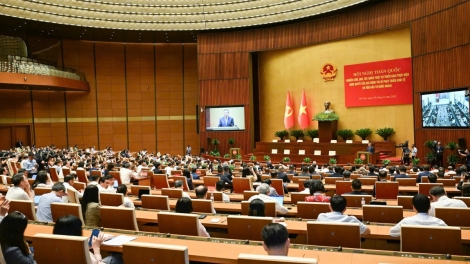




The resolution sets a target that by 2030, 75% of Vietnam's foreign direct investment should come from developed, high-tech economies. Meeting international standards for next-generation industrial parks is increasingly seen as a requirement for attracting high-quality investment, making the rapid development of such industrial zones essential if Vietnam wants to become more competitive in the global race for strategic capital.
Green industrial parks: a magnet for high-quality FDI
As the global economy accelerates its transition to sustainable development, green industry is no longer an option, but a necessity for Vietnam to maintain strong economic growth and meet international sustainability standards.
The Government has reinforced this transition with Decree No. 35 on industrial park management and Circular No. 05 which provides guidelines for developing eco-industrial parks. Together, these regulations establish the legal framework for shifting from traditional industrial parks to environmentally sustainable models.
International investors are no longer satisfied with readily available infrastructure alone. They now seek integrated green industrial ecosystems where factories operate according to smart, resource-efficient, sustainable manufacturing standards from the outset.
Dr. Nguyen Tram Anh, National Manager of the Global Eco-Industrial Parks Programme in Vietnam, said: "Resolution No. 10 sets an ambitious target that by 2030, at least 10% of Vietnam's industrial parks will be eco-industrial parks. It provides a clear roadmap for industrial parks to successfully transition to sustainable development. As this transformation gathers pace, Vietnam's ability to attract high-quality FDI will improve significantly."

Vietnam currently has some 500 industrial parks and more than 1,000 industrial clusters. But only 1-2% of industrial parks have begun transitioning to the eco-industrial park model.
Progress has been more encouraging in green construction. Vietnam had 300 certified green buildings in industrial parks in 2025, and that number rose to approximately 800 during the first six months of 2026.
Green infrastructure gains momentum in localities
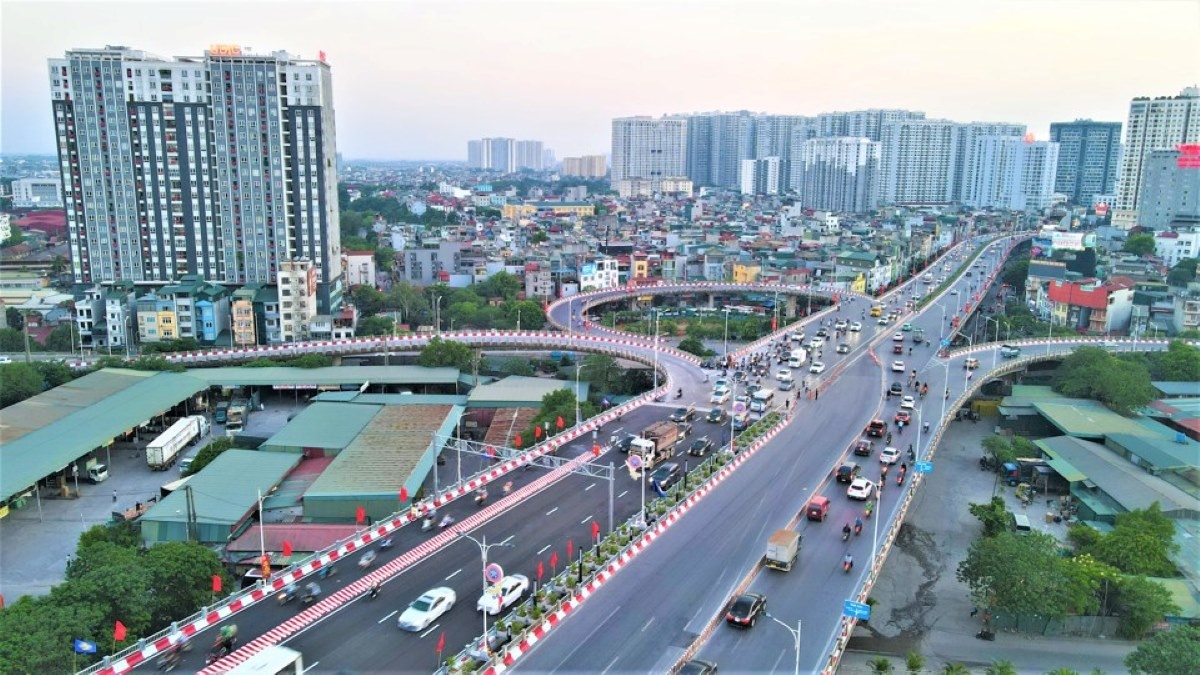
Developing next-generation industrial parks based on green and digital infrastructure is viewed as essential to Vietnam's competitiveness.
Last month, Deputy Prime Minister Ho Quoc Dung signed Decision No. 1061 on expanding and issuing new operating regulations for the Ho Chi Minh City High-Tech Park. A key feature of the expanded zone is its commitment to achieving carbon neutrality by 2050, in line with Vietnam's national green growth and sustainability pledges.
The expanded high-tech park will feature synchronized, modern, and environmentally friendly architecture, technical and social infrastructure, integrated smart management systems, and seamless connectivity with surrounding urban areas, while meeting smart city standards.
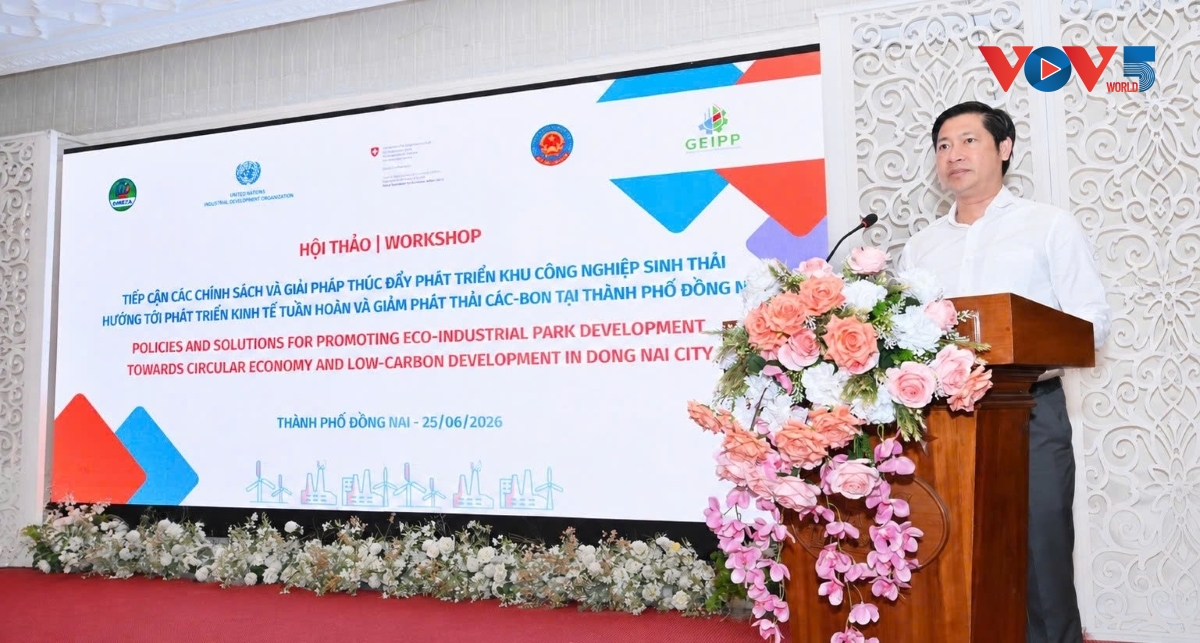
Dong Nai city, one of Vietnam's largest industrial hubs, aims to have at least 2 industrial parks certified as eco-industrial parks by 2030 and have at least 10% of businesses operating in industrial parks adopt cleaner, resource-efficient production.
Dong Nai, home to 44 industrial parks and nearly 2,800 active investment projects, recognizes that emissions reduction, circular economy practices, and Environmental, Social and Governance (ESG) standards have become important requirements in global supply chains.
Pham Viet Phuong, Deputy Head of the Management Board of Dong Nai city's Industrial Parks and Economic Zones, said: "Dong Nai is prioritizing green and sustainable development, transforming existing industrial parks, and developing new eco-industrial, green, high-tech industrial parks. This is an inevitable trend and an urgent requirement as major export markets tighten environmental regulations, carbon reduction targets, and ESG standards. Foreign investors are placing more importance on access to clean energy, green infrastructure, and sustainable industrial ecosystems when selecting investment destinations."
Realizing the objectives of Resolution No. 10 will make Vietnam more appealing to multinational corporations and global investors by demonstrating its commitment to responsible, sustainable development as part of the global green transition.