



Millions of pages of wartime documents are being preserved in the United States, including the Combined Document Exploitation Center (CDEC) archives. These records are being analysed and cross-checked using scientific methods, digital technologies, and artificial intelligence to verify the identities of fallen soldiers, reconnect families, and search for Vietnamese people still missing from the war.
The War Archives comprise documents, diaries, handwritten letters, and personal belongings of Vietnamese soldiers that were seized by the US military and the former Republic of Vietnam armed forces during the war.
They are being preserved on microfilm at the Vietnam Center and Sam Johnson Vietnam Archive at Texas Tech University and will be brought back to Vietnam to assist in the search for the remains of fallen soldiers.
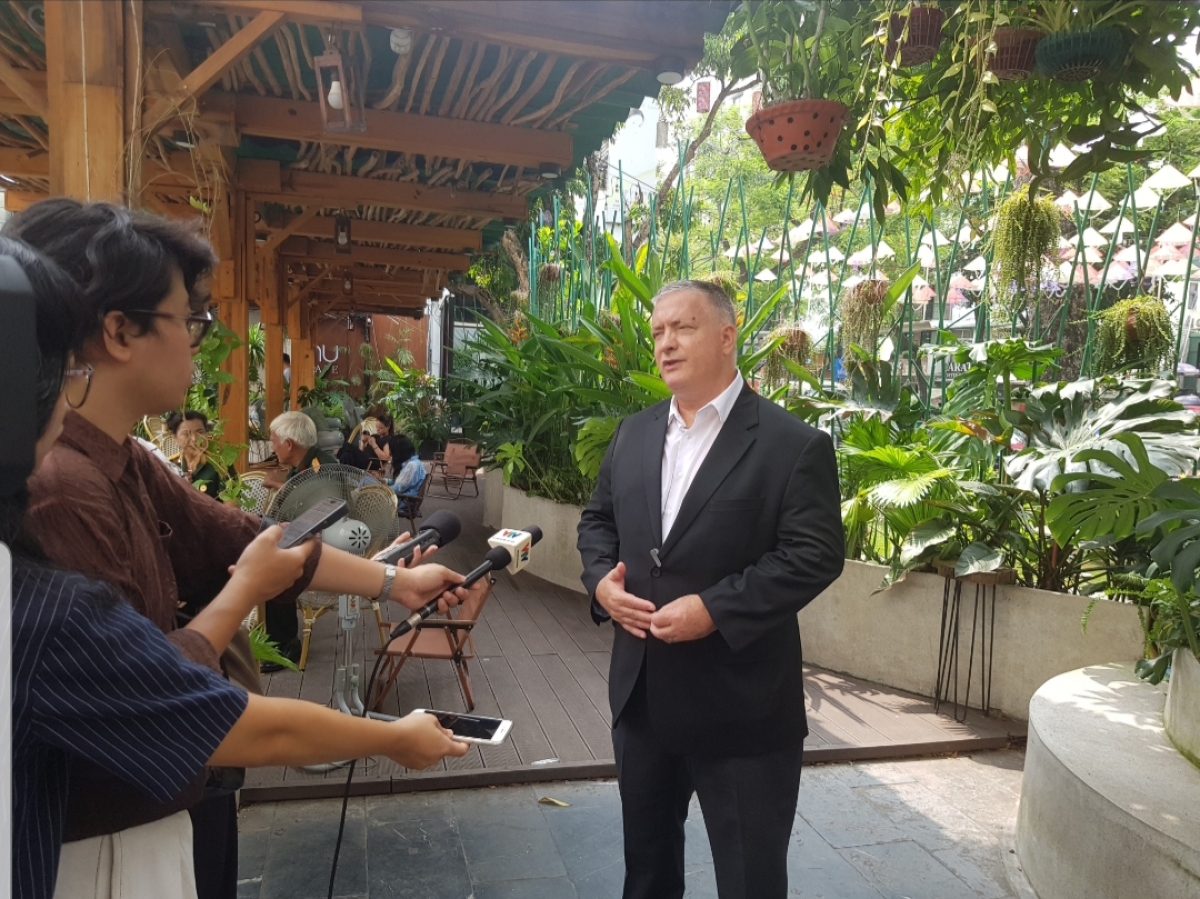
Professor Steve Maxner, Director of the Vietnam Center and Sam Johnson Vietnam Archive at Texas Tech University, said: “What makes this different from previous efforts to find the missing from the war is the way that both countries are coming together to work toward finding the missing for Vietnam. The government of Vietnam was very supportive and helpful in helping Americans to find family members to return back to the United States starting back, 1970s and '80s all the way to the present.”
“In 2018, the United States Congress passed legislation to support the Vietnam Wartime Accounting Initiative. The goal of that is to find American organizations like Texas Tech University who can contribute to Vietnam finding the remains of their soldiers, but also to engaging in other programs to support reconciliation between our two countries," said Maxner.
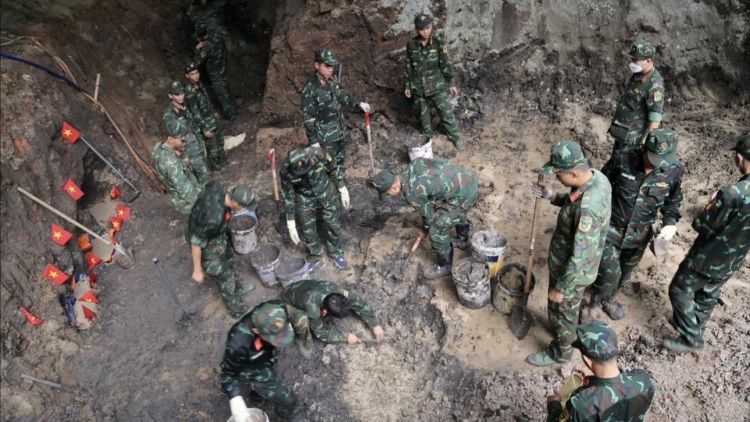
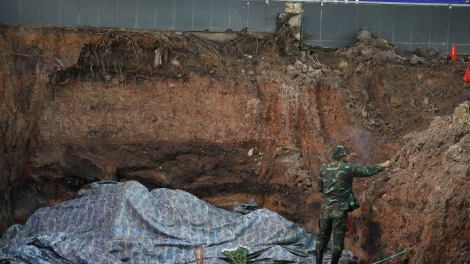
In the first half of 2026, a joint Vietnamese–American research team processed more than 200 war archive files, identifying more than 1,500 Vietnamese servicemen. These data have been transferred to the National Steering Committee for the Search, Recovery, and Identification of Fallen Soldiers' Remains (National Steering Committee 515). The War Archives will also help return items carried by the fallen soldiers to their families.
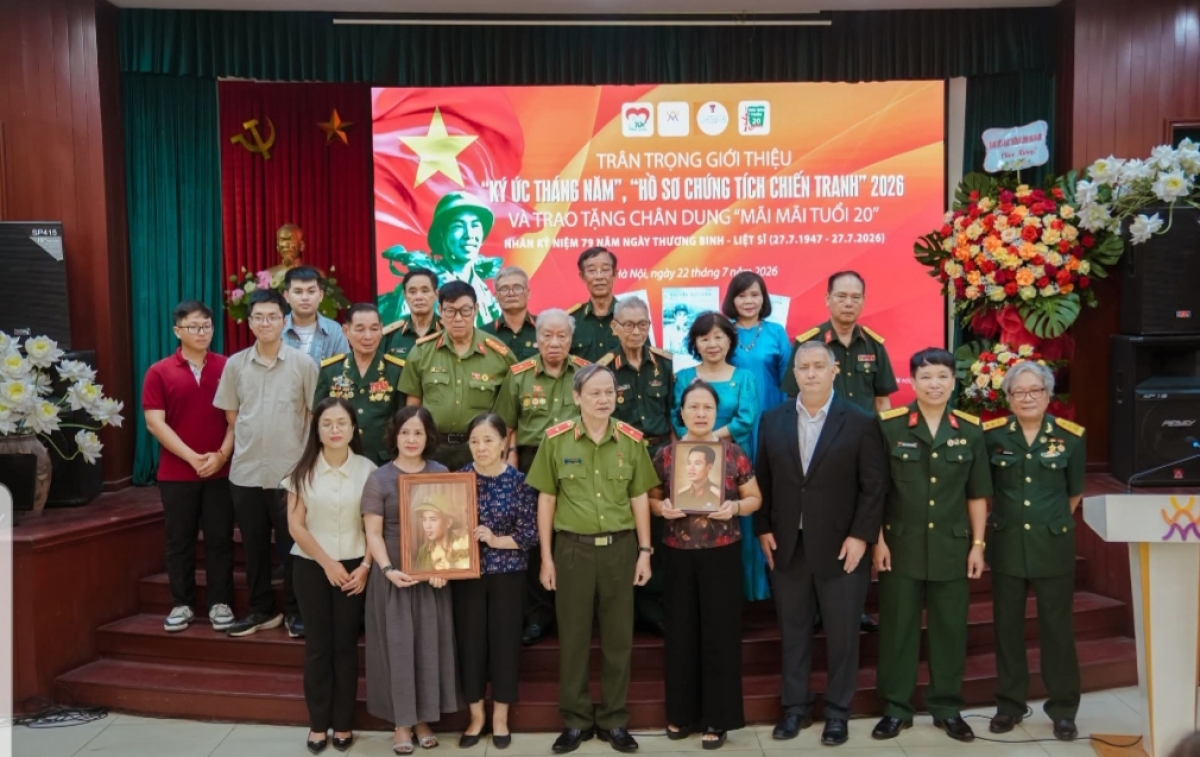
Colonel Dang Vuong Hung, Chairman of the Soldiers' Hearts community organisation, said: "These are enormous archives. If they are fully studied and shared with the public, many families will be able to learn when and where their loved ones were killed. We’re researching these archives to support the work of Steering Committee 515 in provinces and cities nationwide."
The Vietnam Wartime Accounting Initiative, supported by the US Department of War and Texas Tech University, is leading the research of the 2026 War Archives. Each file released is more than just a historical record, it could be the key to helping families of fallen soldiers finally identify and reunite with their loved ones.