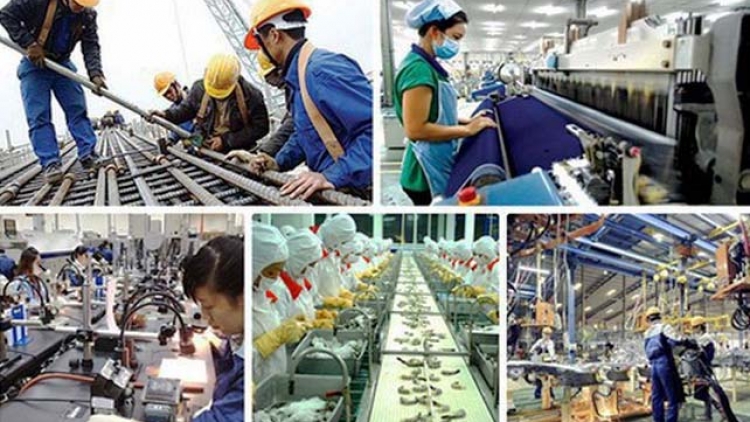





In its 2026–2030 development roadmap, Vietnam aims to become a modern industrialized nation with upper-middle-income status. The target of 6.5% annual labor productivity growth will require changes in the mindset and actions of every employee. Workers’ Month in May 2026 will highlight the role of the working class in the new development phase.
Innovation a driver of labor productivity growth
Improving labor productivity doesn’t require expensive machinery. It can come from small operational improvements. The Vietnam General Confederation of Labor aims for 10% of workers to submit initiatives during this year’s Workers’ Month, with 30% of them implemented in practice. As low-cost labor is no longer an advantage, it’s time for workers to increase their value by acquiring skills and mastering technology.
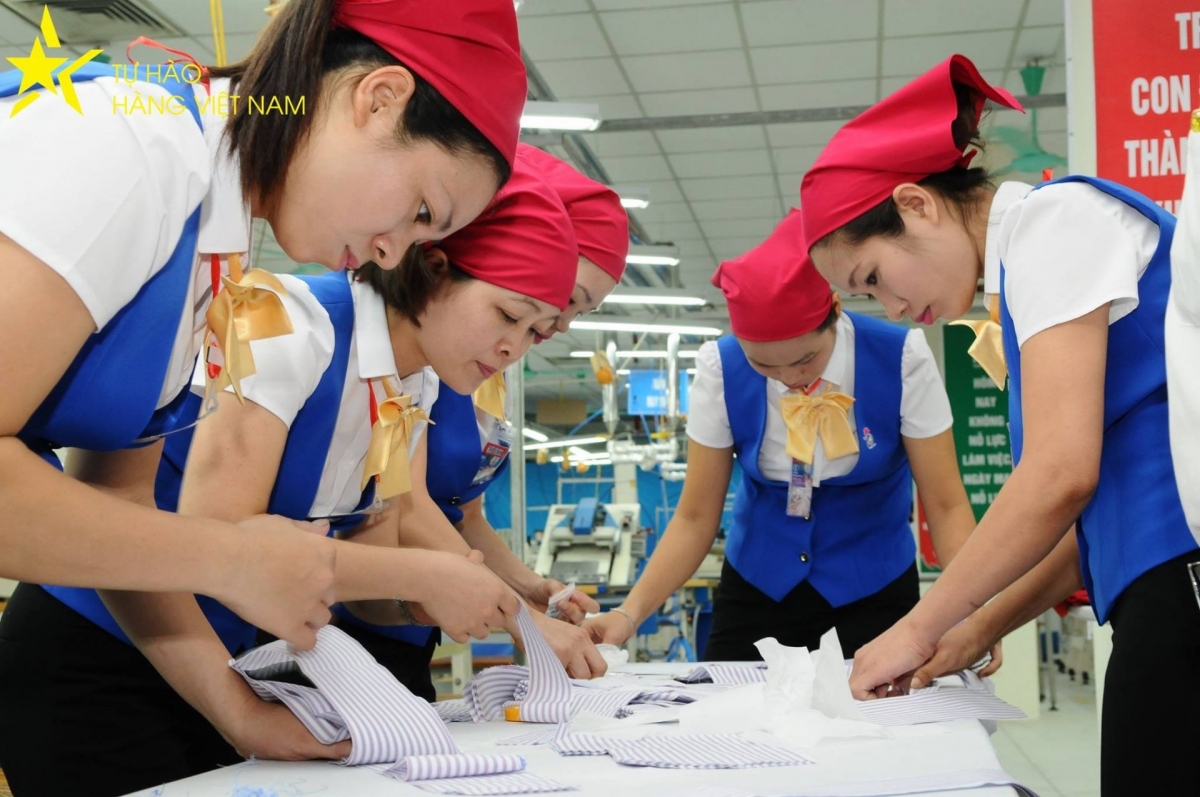
More and more enterprises are starting to honor “innovation champions”. At the May 10 Corporation, for example, technicians are using automation to optimize complex processes that formerly required manual skills.
“We can program this equipment to operate automatically. We select parameters for full automation, and with just one press of a button, it runs the preset program,” Pham Van Thuan of the Mechanical and Electrical Department said.
As May 10 Corporation’s example shows, when workers take the initiative to master technology, labor productivity can make a significant leap. This has become a guiding principle of worker emulation movements.
“The innovation movement among workers and public employees in Hanoi has been in place for years in every sector. The movement encourages employees to take responsibility for their work and their organization, and improve their productivity,” Le Dinh Hung, Vice Chairman of the Hanoi Federation of Labor, said.
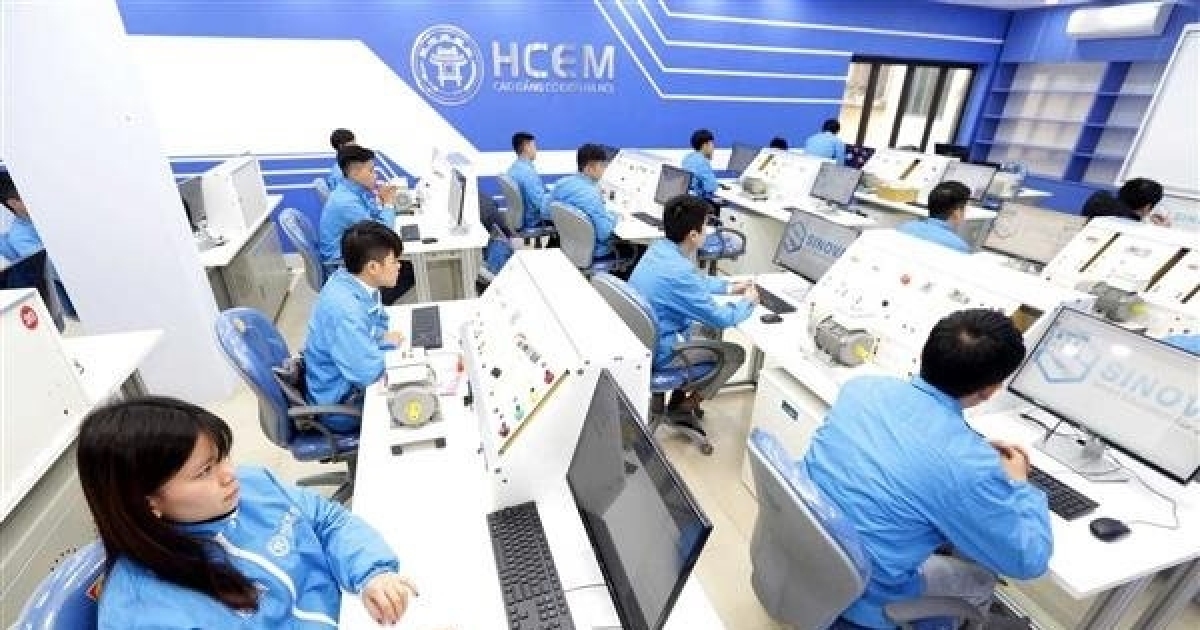
Building a “knowledge-based workforce” to meet new requirements
As Vietnam enters the new era of national rise, it no longer seeks growth based on cheap labor but is shifting strongly to a knowledge-based economy. More than 170,000 enterprises have been using digital tools for production since last year. The workforce now needs to become “knowledge-based” and “highly skilled.”
The 2025 Global Innovation Index released by the World Intellectual Property Organization ranked Vietnam among the countries with the fastest labor productivity growth in the past decade. But to rank among the top three ASEAN countries in productivity by 2030, Vietnamese workers will need to reskill and strengthen their digital capabilities to work in the smart factories of the future.
“In order to raise labor productivity, we’ve invested significantly in training and improving the quality of human resources, including both indirect staff such as technical and technology teams, and direct production workers, as well as investing in digital transformation over the years,” Than Duc Viet, General Director of May 10 Corporation, said.
Improving labor productivity will raise incomes. Innovation will also protect job security in an increasingly competitive labor market, as AI and robots start replacing humans in certain production roles.
“Workers remain at the center of labor-force unity, helping uphold the Party’s leadership and the State’s management. Workers, especially knowledge-based workers, will create innovative products that drive national digital transformation and innovation,” Ngo Duy Hieu, Vice President of the Vietnam General Confederation of Labor, said.
Increasing labor productivity is the quickest way out of the middle-income trap. The initiatives of millions of workers today will become the building blocks of a prosperous and civilized Vietnam tomorrow.