





Quang Ninh currently has 2,260 administrative procedures, including 1,770 at the provincial level and 290 at the commune level, available as online public services.
In Uong Bi ward, digital transformation has been accelerated through investments in digital infrastructure, including transmission systems, computers, terminal devices, and tools that enable officials and civil servants to work in a digital environment.
Dao Ngoc Son, Deputy Secretary of the Uong Bi ward Party Committee, said training and capacity building for officials are essential to ensure the smooth operation of the digital workplace.
“Digital applications and digital transformation have brought about a profound shift from an administrative mindset to a governance mindset. Tasks are now carried out much faster, more directly, and much more effectively,” said Son, adding, “Digital tools also enable us to capture information and monitor implementation results down to the grassroots level, making leadership and direction more practical, coordinated, and seamless.”
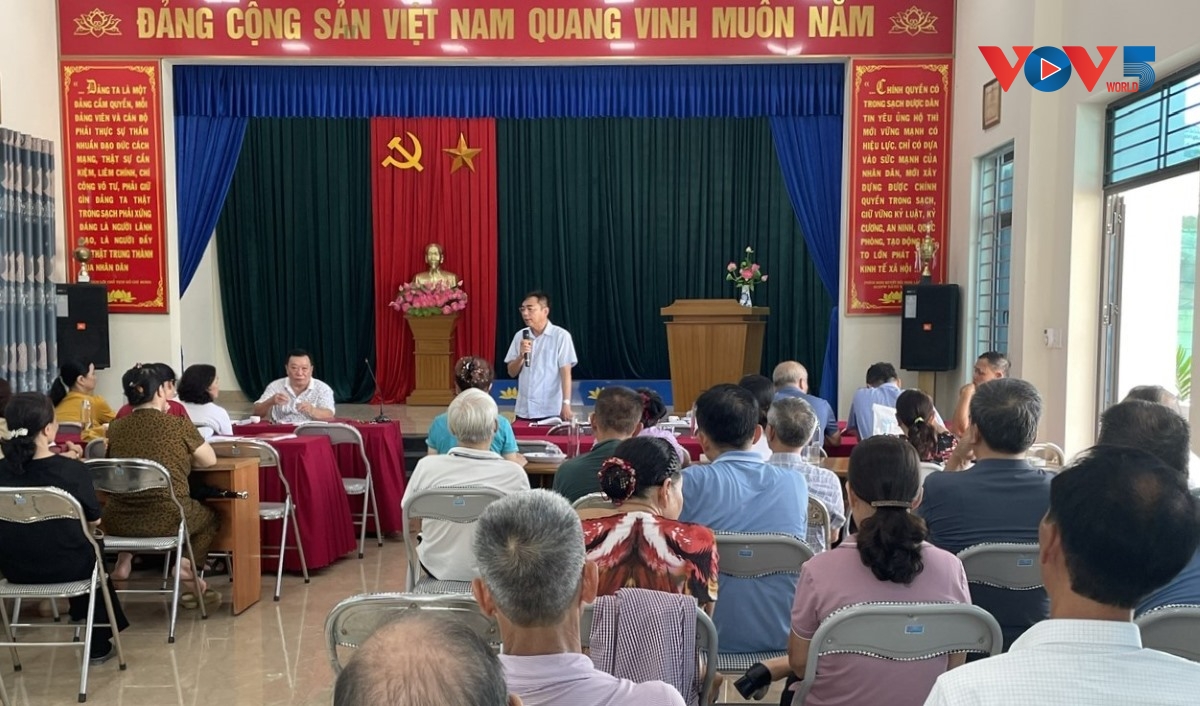
Nguyen Hoang Quy, Secretary of the Bai Chay ward Party Committee, said that for digital technologies to become part of daily life and work, every resident must become a “digital citizen”.
He said he believes a digital government can only be built on the foundation of digital citizens, so Bai Chay implemented the ‘Digital Literacy for All’ movement.
“Today, all residential groups and neighborhoods use digital platforms for meetings and communication. Even elderly residents can make cashless payments, receive pensions, transfer money, and conduct transactions in the digital space,” said Quy.
Digital transformation delivers tangible benefits only when people have the skills needed to access and use online public services so, in addition to investing in digital infrastructure, localities in Quang Ninh are improving digital literacy within communities.
In Yen Tu ward, digital technologies are being applied to tourism promotion, heritage management, and visitor services.
Bui Hoang Giang, Secretary of the Party Committee and Chairman of the Yen Tu ward People’s Council, said, “In tourism and services, we’ve adopted software and 360-degree AI technologies to allow residents and visitors to access information remotely.”
“We’re also developing mobile applications that enable people to access public services, service providers, tourist destinations, and attractions. In administrative reform, the rate of online document processing has reached 98%, while the use of digital signatures for official documents is nearly 100%,” said Giang.
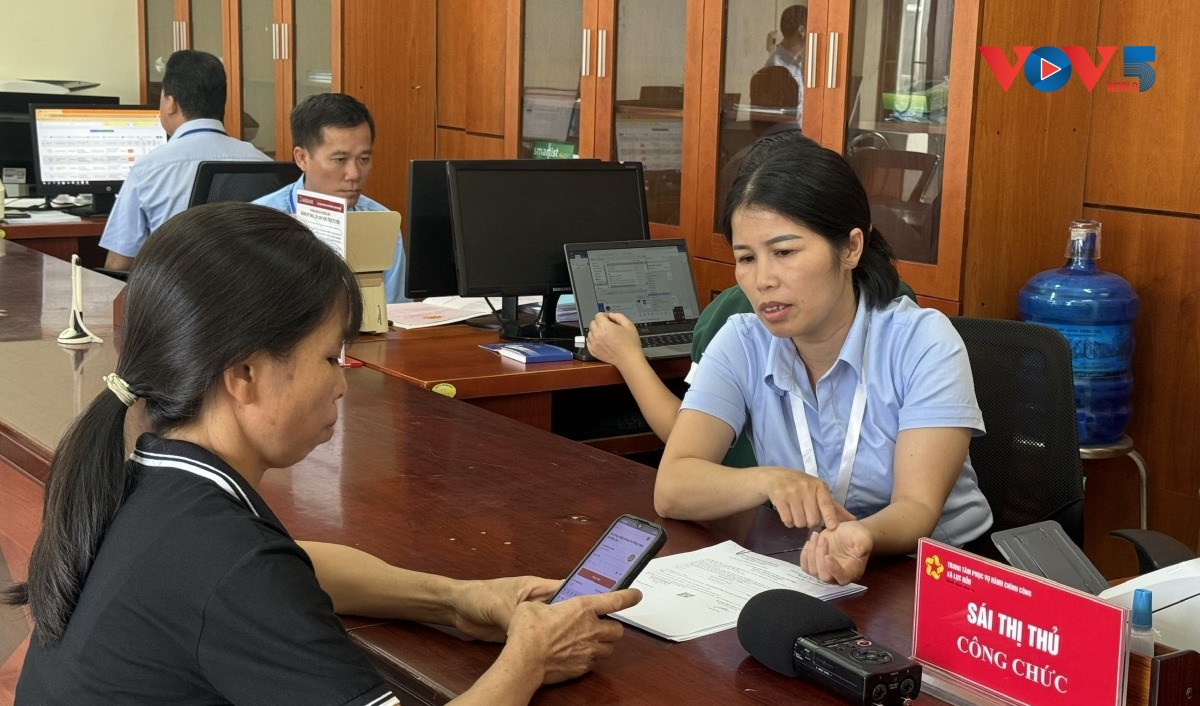
Grassroots models in Quang Ninh show that digital transformation is reshaping the way citizens and businesses are served. To support this process, Quang Ninh has translated Resolution 57 into concrete action plans with clearly defined targets and resources.
According to Nguyen Trung Tien, Deputy Director of the provincial Department of Science and Technology, Quang Ninh has translated Resolution 57 into 68 tasks assigned to departments and sectors, including 32 regular tasks and 36 time-bound missions designed to create breakthroughs.
“This year, Quang Ninh province has earmarked more than 1 million USD for science, technology, innovation, and digital transformation. Four major strategic projects on digital infrastructure are currently being implemented,” Tien noted.
Driven by strong leadership from the provincial administration, tangible improvements are already being seen in the quality of grassroots public services and in citizens’ active participation. When procedures are handled faster, feedback is more convenient, and people can digitally access public services with ease, digital transformation is serving people and businesses better.