



Kinh Thien Palace is the most important remnant of the ancient Thang Long Imperial Citadel, now Hanoi. The Le dynasty constructed its main palace – Kinh Thien Palace – on the foundations of palaces of the previous Ly and Tran dynasties. Kinh Thien Palace was where the emperor held court meetings and presided over the nation's most important events, including coronation ceremonies, grand court audiences, and receptions for foreign envoys. Professor Doctor.
Nguyen Quang Ngoc, Vice President of the Vietnam Association of Sciences, said: “In 1428, King Le Thai To laid siege to the Đông QuanCitadel, persuaded its defenders to surrender, and entered the citadel. He ordered the construction of Kinh Thien Palace on the foundation of the main palaces of his predecessors. Kinh Thien Palace occupies a central position of the cosmos and the nation. It is the prime symbol of Vietnamese history and culture.”
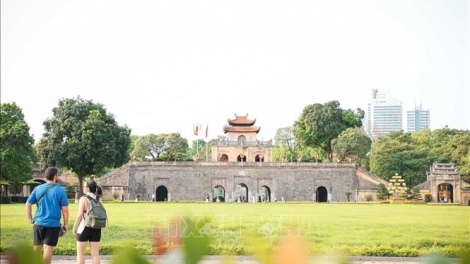
The large forecourt of the palace was where civil and military mandarins queued in rows according to their rank to attend court audiences. A royal pathway leading directly from Đoan Môn Gate to the Palace formed the central axis of the Citadel.
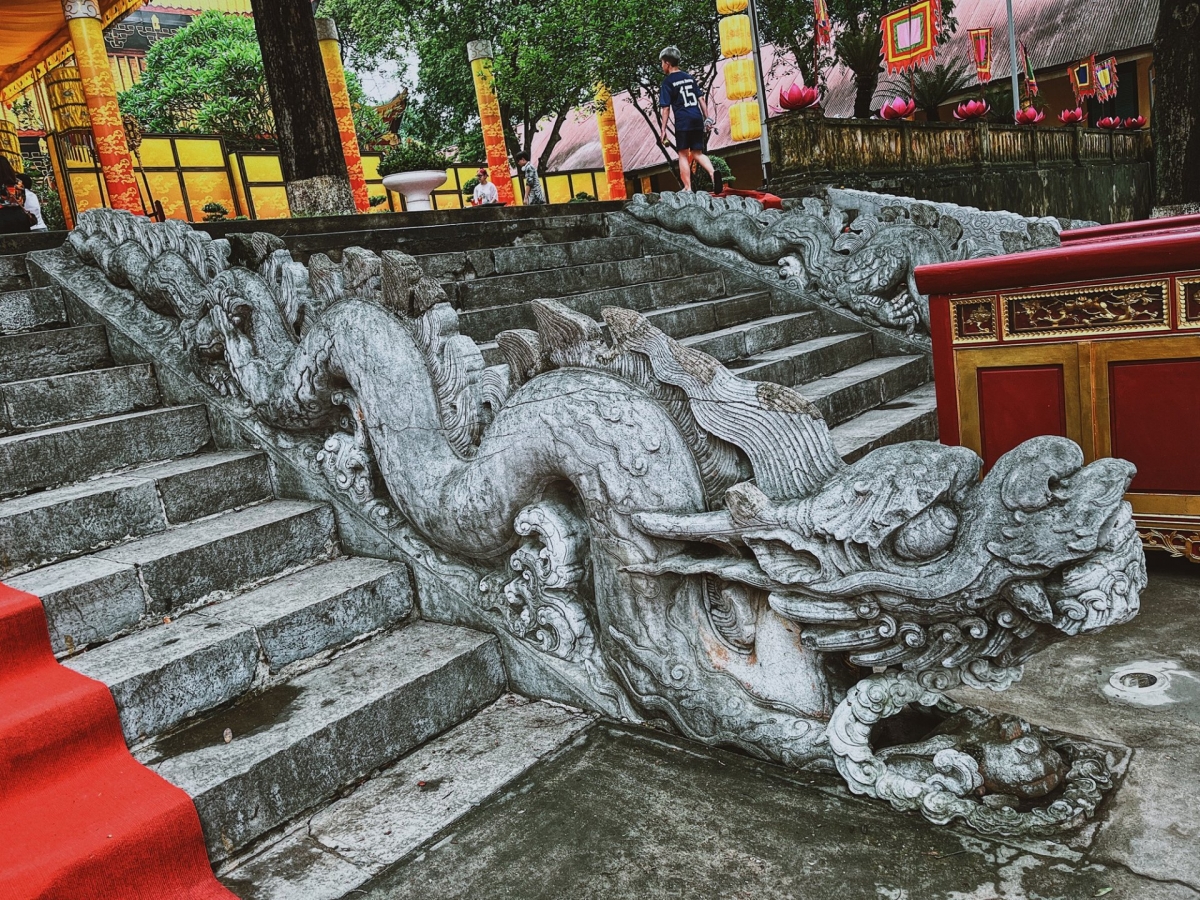
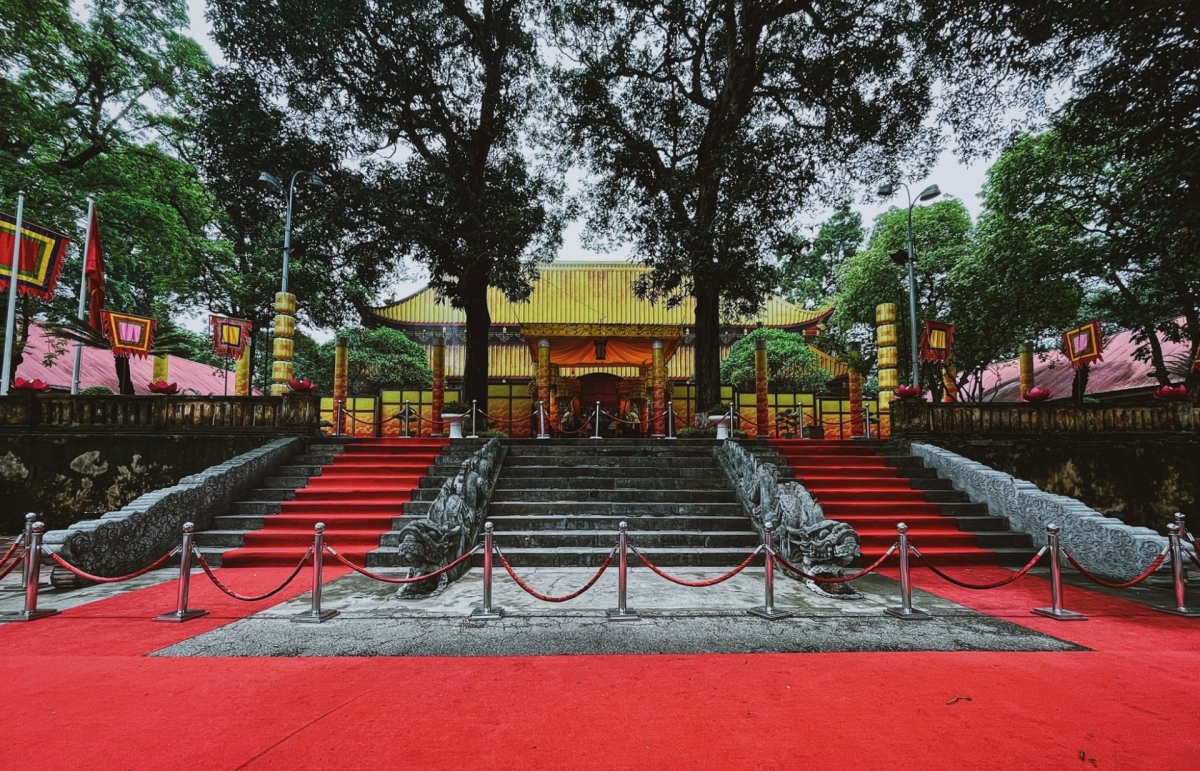
Over the centuries, Kinh Thien Palace fell into ruin, leaving only its nearly three-meter-high foundation and two elaborately carved stone dragon stairways dating from the Le dynasty. The stairways have been officially recognized as National Treasures. Archaeological excavations conducted at the site in 2011, 2023, 2025, and 2026, in line with UNESCO recommendations, uncovered numerous relics and artifacts. Professor Tong Trung Tin, Chairman of the Vietnam Archaeological Association, said: “The foundation of the main hall of Kinh Thien Palace is rectangular. The floor was divided into multiple slots for different structures. The column bases uncovered so far indicate that the hall had nine slots supported by ten rows of structural frames, with each row consisting of six columns. This was the largest structure in the history of Vietnamese architecture.”
The foundation of Kinh Thien Palace demonstrates the principles of traditional Vietnamese royal architecture and reflects the application of Confucian philosophy to architectural design. All the ironwood columns rest on stone bases. The two-tier roof features curved corners covered in yellow glazed dragon tiles, creating a magnificent and imposing appearance.
Associate Professor Bui Minh Tri, former director of the Institute of Imperial Citadel Studies, said: “We have conducted in-depth studies of the different types of roof tiles used in Vietnam during the Early Le dynasty and those used in China during the Early Ming dynasty. We have found compelling evidence confirming their distinctive characteristics. This type of tile is unique to Vietnam and has no equivalent in any other East Asian country. It gives the roof of Kinh Thien Palace a distinctive appearance within the architecture of the Thang Long imperial court during the Early Le dynasty, setting it apart with a level of sophistication all its own.”
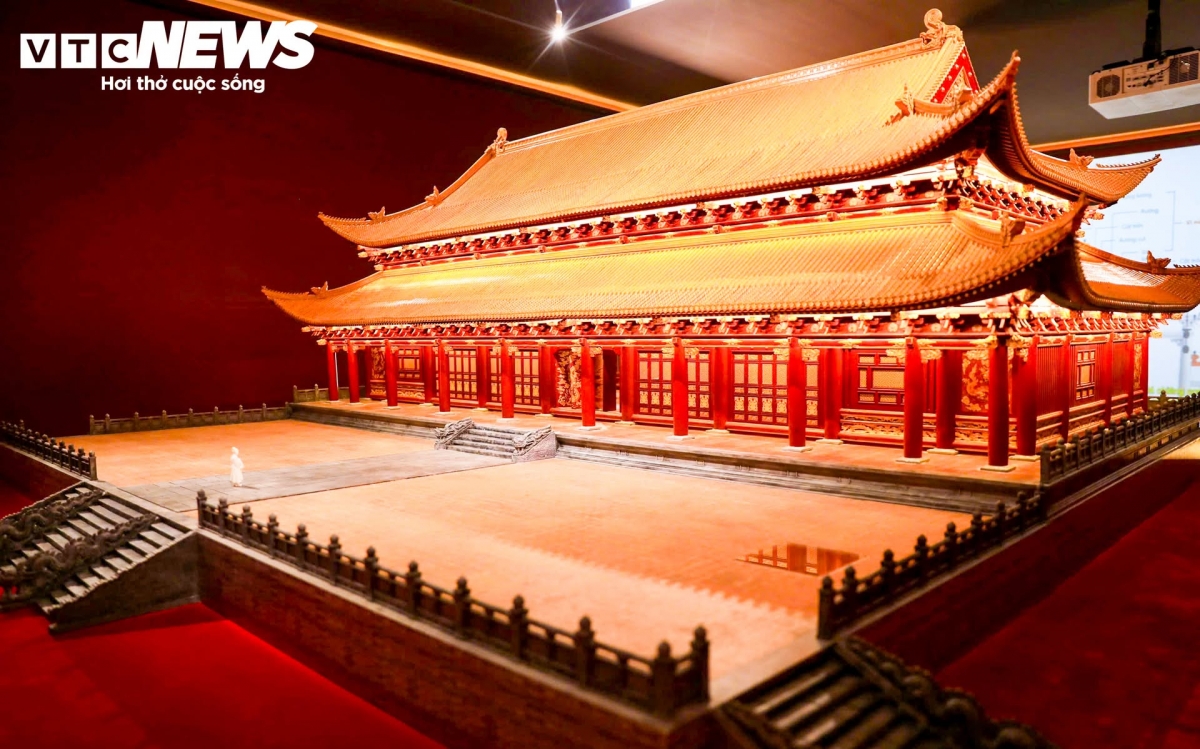
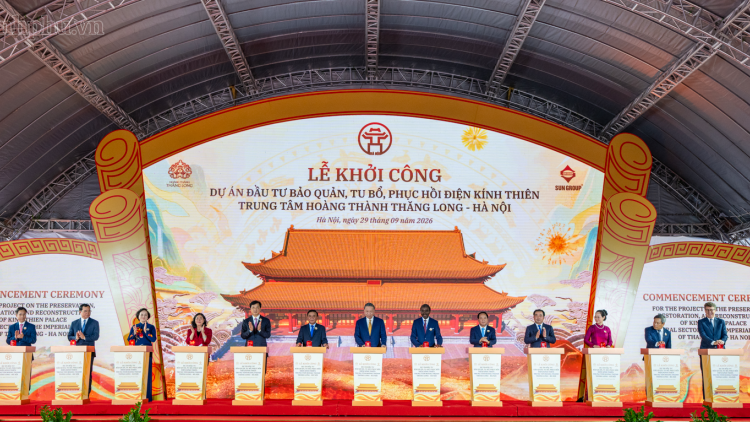
After 15 years of research and efforts to secure UNESCO support, the project to conserve, restore, and rehabilitate Kinh Thien Palace has officially begun. According to the Thang Long–Hanoi Heritage Conservation Center, the restoration of the Kinh Thien Palace has been carefully studied and developed in accordance with domestic scientific requirements, UNESCO recommendations, and the International Council on Monuments and Sites (ICOMOS). The goal is to preserve and enhance the heritage site’s outstanding universal value.
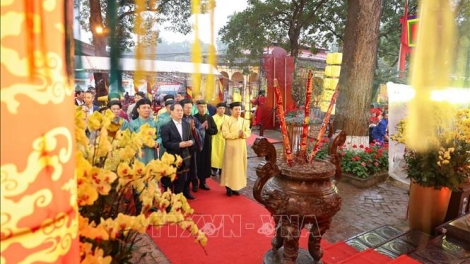
Nguyen Thanh Quang, Director of the Thang Long–Hanoi Heritage Conservation Center, said: “We will proceed step by step toward recreating all the functions of the Long Tri and Dan Tri courtyards, including the organization of traditional ceremonies. We will rebuild the Kinh Thien Palace on its original foundation, with the goal of reestablishing the Palace and its main hall by 2030.”
The restoration of Kinh Thien Palace is the first step toward reestablishing the central axis of the Thang Long Imperial Citadel by 2035, part of Hanoi's 100-year master plan.