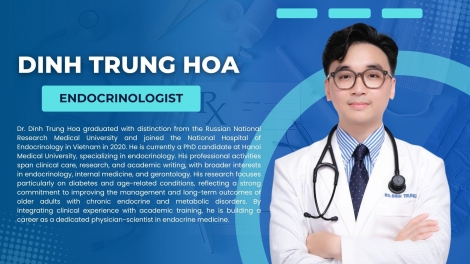




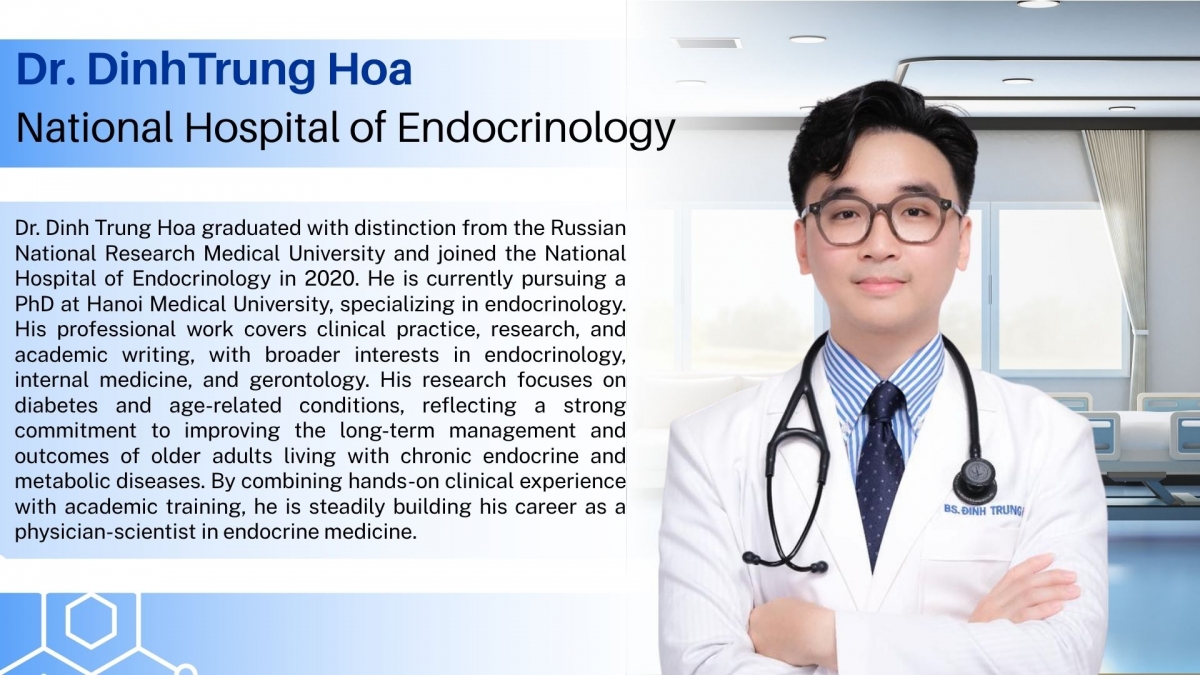
In this edition of Doctor at Home, Dr. DinhTrung Hoa of the National Hospital of Endocrinology explains what thyroid nodules are, how doctors assess their risks, and how patients can approach the condition calmly, safely, and with the right information.
Reporter: Welcome to the show, Doctor. Many people feel worried when they hear they have a thyroid nodule. What exactly is it?
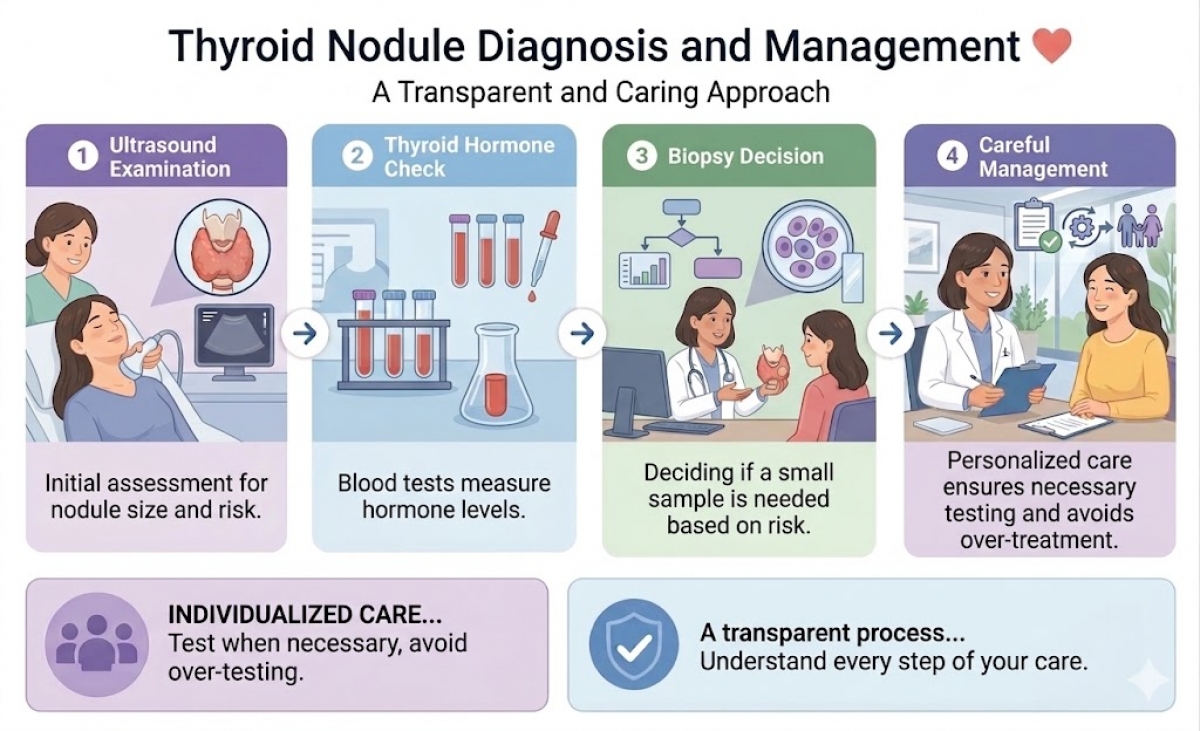
Dr. Trung Hoa: A thyroid nodule is a lump or growth inside the thyroid gland. Some nodules are solid, and some are fluid-filled, like a small cyst. Many nodules are found by chance during an ultrasound or a health check, because they often cause no symptoms. A nodule does not automatically mean something dangerous. It simply means we should evaluate it properly. The evaluation usually includes an ultrasound and sometimes blood tests. The aim is to identify which nodules are low risk and only need monitoring, and which nodules need further testing.
Reporter: Many people feel very worried when they are told they have a thyroid nodule. How common are these nodules, and are they usually serious?
Dr. Trung Hoa: Thyroid nodules are very common, especially in women and as people get older. Many adults will have small nodules that never cause any problem. In most cases, nodules are benign, meaning not cancerous. The seriousness depends on several factors, the nodule’s size, its appearance on ultrasound, whether it is growing, and whether it causes symptoms like difficulty swallowing or voice changes. So, the reassuring message is that the majority of nodules are not serious. The practical message is, don’t ignore them. Follow the evaluation plan so we can be confident about the risk.
Reporter: There is a common fear that having a thyroid nodule means having cancer. How would you respond to this concern?
Dr. Trung Hoa: I would say, I understand the fear, but having a thyroid nodule usually does not mean cancer. Most nodules are benign. Even if cancer is diagnosed, many thyroid cancers, especially common types, are highly treatable with excellent outcomes when managed properly. We do not rely on fear or guessing. We use a step-by-step medical approach, ultrasound to assess features, size measurements, and if needed, a simple needle test to check cells. This approach helps us avoid unnecessary surgery while still catching the small number of nodules that need treatment.
Reporter: Do all thyroid nodules require surgery, or are there cases where monitoring is enough?
Dr. Trung Hoa: Most thyroid nodules do not require surgery. Monitoring is often enough, especially for small nodules with low-risk ultrasound features. Monitoring typically means repeat ultrasound after a certain period to confirm the nodule is stable. Surgery is considered when a nodule is suspicious on testing, grows significantly, causes compressive symptoms (like trouble swallowing or breathing), affects the voice, or in some cases produces too much thyroid hormone. So, many patients can avoid surgery safely. The key is proper assessment and appropriate follow-up.
Reporter: When doctors discover a thyroid nodule, how do they decide whether further tests are needed?
Dr. Trung Hoa: Doctors usually start with an ultrasound. Ultrasound helps us see the nodule’s size and shape and whether it has features that suggest low or higher risk. We may also check thyroid hormone levels with blood tests. If the nodule is above a certain size or has suspicious ultrasound features, the next step may be a fine-needle aspiration biopsy. This is a procedure using a thin needle to collect a small sample of cells. It is usually quick and done without major surgery. The decision is not based on size alone. The ultrasound appearance and the overall situation matter. This approach helps ensure we test when necessary and avoid over-testing when risk is low.
Reporter: If thyroid cancer is diagnosed, how treatable is it in general?
Dr. Trung Hoa: In general, many thyroid cancers, especially the most common forms, are very treatable. Treatment often involves surgery, and in selected cases, additional therapy and careful long-term monitoring. Many patients live normal lives after treatment. It is important to understand that thyroid cancer is not one single disease. There are different types with different behaviors. That’s why treatment is individualized. But for the majority of common cases, early detection and appropriate treatment lead to very good outcomes.
Reporter: Finally, what advice would you give our listeners to help them stay calm and make informed decisions if they are diagnosed with a thyroid nodule?
Dr. Trung Hoa: My advice is, take it step by step. A thyroid nodule is common, and most are not cancer. Avoid making decisions based on internet stories or fear. Ask clear questions, “Is my nodule low-risk or high-risk?” “Do I need a biopsy now, or can we monitor?” “When should I repeat the ultrasound?”
Follow the planned follow-up, because monitoring is part of safe care. Also, report new symptoms such as rapid growth of the neck lump, voice changes, or difficulty swallowing. Staying calm does not mean ignoring the problem. It means using evidence-based steps to reach the right decision.
Reporter:A thyroid nodule diagnosis may sound alarming at first, but as Dr. DinhTrung Hoa explains, most cases can be safely monitored with proper medical guidance and regular follow-up. The key is to not panic, but to seek understanding and timely evaluation. If you have concerns, always seek professional advice rather than relying on speculation, so you can make informed and confident decisions about your health. We would like to thank Dr. DinhTrung Hoa for joining us today. And thank you for listening. You’ve been listening to Doctor at Home. Goodbye for now.