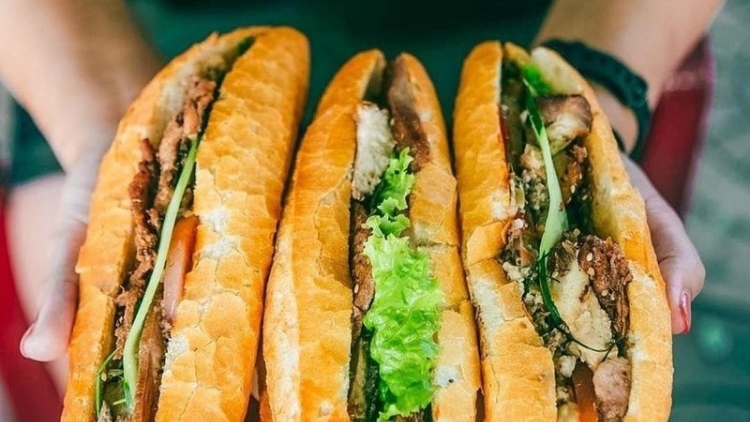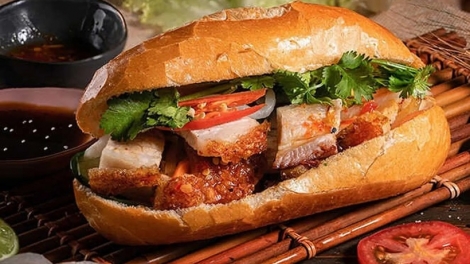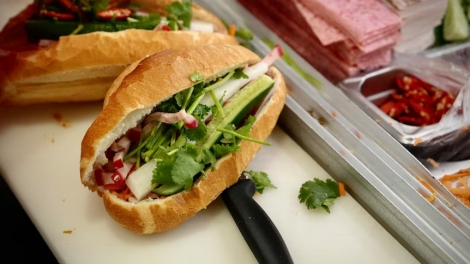




Reporter: Thank you for talking to VOV today. The Banh Mi Society is selling a Vietnamese dish in Singapore in a different setting, with a different style of service, at a different price. From your experience in an international environment, what needs to be preserved to maintain the identity of Vietnamese banh mi, and what needs to be adapted to the international market?
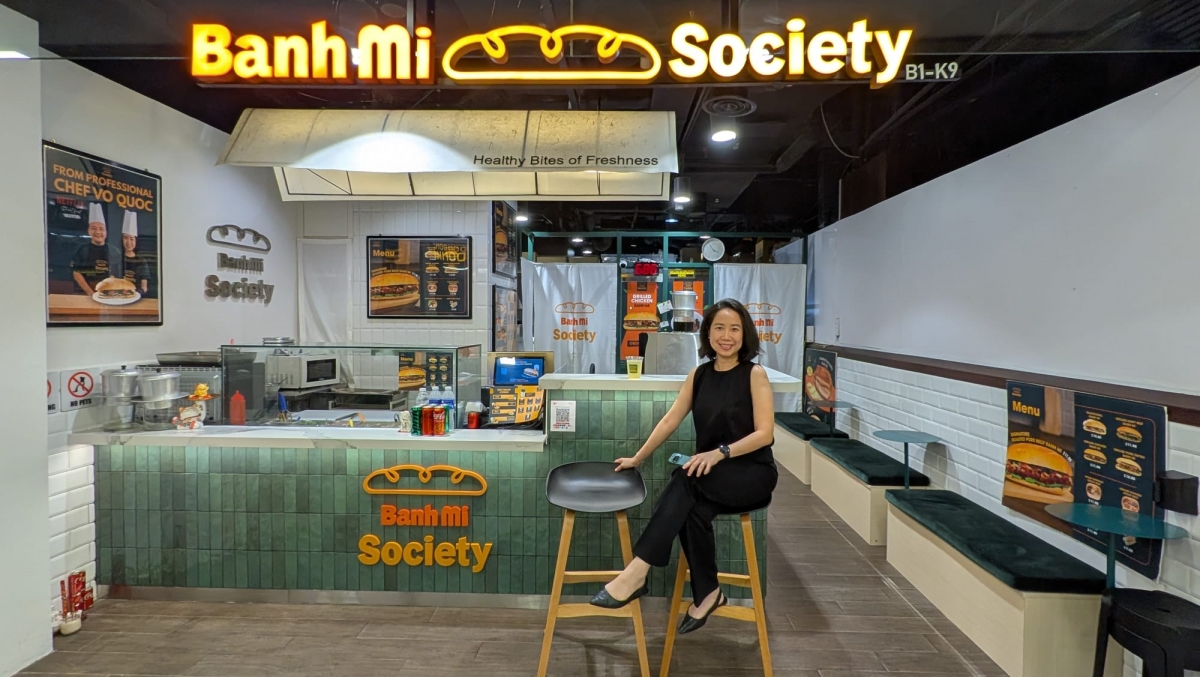
Ha Lam Tu Quynh: Thank you to VOV for giving me and the Banh Mi Society an opportunity to share our story with VOV’s audience. From my understanding and observation, when taking a Vietnamese dish to an international market, the first priority is to preserve its identity and flavor. It should stay as close as possible to the original Vietnamese taste. That’s my top priority. The second thing is customer experience. I don't think it’s necessary to sell a Vietnamese product in a very Vietnamese setting. At the Banh Mi Society, our goal is to develop a chain, so the model needs to work in different circumstances and in any international space. Some compromises may be necessary to make the model easier to replicate, so that a banh mi shop can operate in different settings, and not necessarily be on the pavement or by the roadside.
Reporter: What can Vietnamese businesses learn from your experience as they seek to take their products to international markets?
Ha Lam Tu Quynh: I think the most important thing, especially for those in the food and beverage sector, is food safety and hygiene. This must come first, and businesses must comply with local regulations. The second is easy recognition. How can people recognise the brand at a glance, even from a distance? And the third thing is consistency in the quality of service and the flavor of the food.
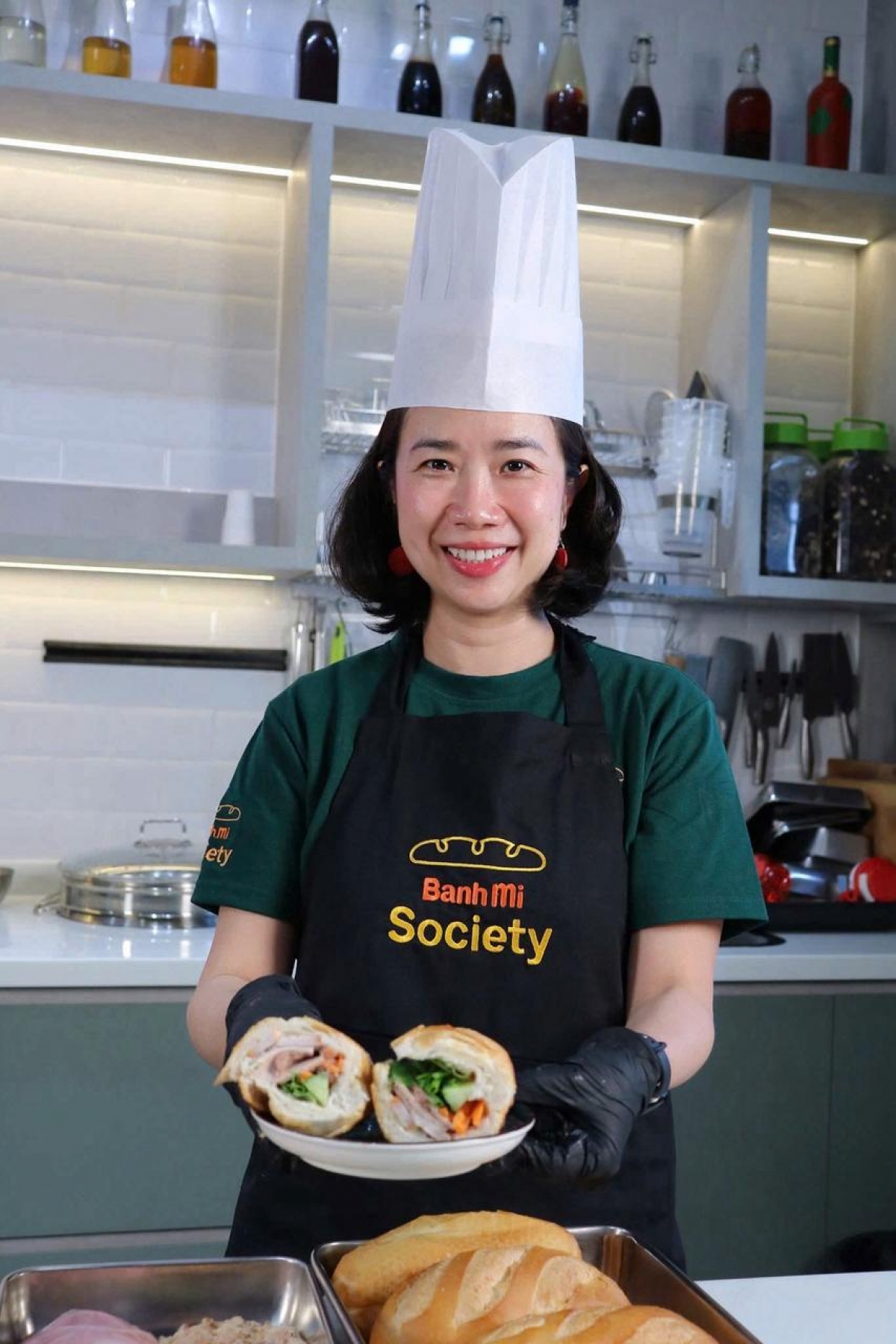
Reporter: Many foreigners are already familiar with Vietnamese pho, banh mi, and coffee. But understanding the Vietnamese culture and people is a different story. Can a banh mi shop in Singapore be a starting point for understanding the culture?
Ha Lam Tu Quynh: Food and the food business play a very important role in the culture of any country. A Vietnamese restaurant can be more than a place where people sell food and make a living, it can be a little space for Vietnamese culture in another country.
A banh mi, a bowl of pho, or a plate of com tam can fulfill a foreign customer’s curiosity about another culture, or reconnect overseas Vietnamese people to familiar flavors and memories of home. People have many choices when they eat out. When they step into a Vietnamese restaurant, there can be an appreciation for a culture different from their own.
Reporter: Looking ahead, what would you like to see happen with Vietnamese banh mi in international markets? Do you think its growing popularity will open the door for other Vietnamese food products?
Ha Lam Tu Quynh: Vietnam has already benefited from banh mi’s international recognition. When foreigners hear the word “banh mi” they already have some idea what it is. We should strengthen the image of pho and banh mi as delicious, healthy, convenient food. That could have a big impact.
Behind banh mi and pho is an entire agricultural sector and food-processing industry. That creates opportunities for processed food producers to produce packaged pho and packaged banh mi. That’s something we hope to see in the future – Vietnamese instant food products on the shelves of stores overseas.
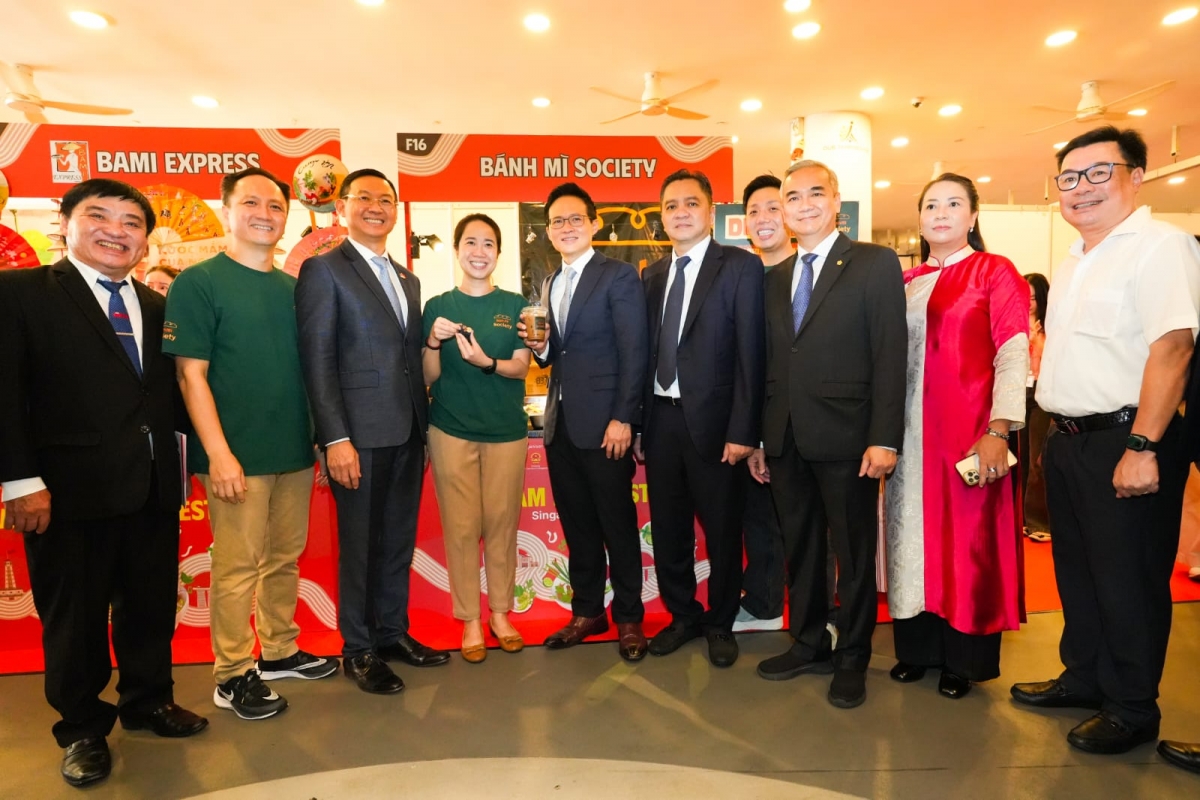
Reporter: There are many overseas Vietnamese who, like you, are running businesses that promote Vietnamese brands. What initiatives could connect these Vietnamese businesses and create a stronger international presence for Vietnam’s food culture?
Ha Lam Tu Quynh: I think such a connection will require a shared commitment and large-scale events. Many overseas Vietnamese businesses are like the Banh Mi Society, but with just a single shop. Their activities are fragmented. I’ve lived in Singapore for more than ten years. It wasn’t until 2025 that Singapore hosted its first Vietnamese Pho Festival, organised by the Vietnamese Embassy in cooperation with a Vietnamese media agency and several domestic businesses. The event attracted 70,000 participants. Events on that scale can have a much greater impact than the efforts of individuals or small businesses. We need to connect people in Vietnam with Vietnamese living overseas and hold more large-scale events. After pho, why don’t we have a Vietnamese Coffee Day or a Vietnamese Banh Mi Day to attract new foreign customers, open new market opportunities, and create a strong image of Vietnam.
Reporter: Thank you, Ms. Tu Quynh, for this interview. We wish you and your family good health and the Banh Mi Society continued success in bringing Vietnamese brands to international consumers.
Ha Lam Tu Quynh, the founder of the Banh Mi Society Singapore, was formerly Communications Director at Google Vietnam/Asia-Pacific.
In September 2024, she left Google and co-founded Bites and Businesses with her husband, soon launching the Banh Mi Society in Singapore.
She obtained a food safety certification from the Singapore Food Agency before opening Banh Mi Society. She made several trips to Vietnam to learn how to make banh mi and refined the recipe to enable Vietnamese banh mi to stop being seen as street food and start penetrating international markets.
The Banh Mi Society became the first independent Vietnamese banh mi brand to join the Guest Privilege Programme of the four-star Park Regis by Prince Singapore.