




One afternoon at a shop on Hang Dao street in Hanoi’s Hoan Kiem ward, Sophia Miller, a tourist from Canada, stopped at a souvenir stall, picked out a few small items and reached for her phone instead of her wallet. Seconds after scanning a QR code, the transaction was complete. She said she no longer needed loose change or currency exchange and did not have to worry about fluctuating exchange rates.
"I've traveled to a couple of other Asian countries, and I feel always carrying a lot of cash has always been a hassle. So, this new option of paying with a QR code really made traveling much easier for me," Miller told VOV.
Emma Jones, a visitor from Australia, shared a similar experience, "To be honest, I usually only use cash. So every time I go anywhere, I have to exchange currency, or find an ATM. But when I came to Vietnam, I was impressed from the very first time I could scan the QR code and it was so easy to pay."
Hoang Thi Luong, a souvenir vendor on Hang Dao street, said the number of international tourists paying by QR code has risen sharply in recent years. She recalled, “In the past, visitors from South Korea, China, Thailand, and Cambodia usually paid in cash or by credit card. Sometimes, when customers used large-denomination foreign currency, they had to wait a long time for change.”
“Now, they simply scan a QR code and the payment is completed in seconds. Cashless transactions are faster and make tourists more comfortable spending because they no longer need to worry about exchanging money. Many customers buy more because they don’t have to keep track of how much cash they have left,” Luong noted.
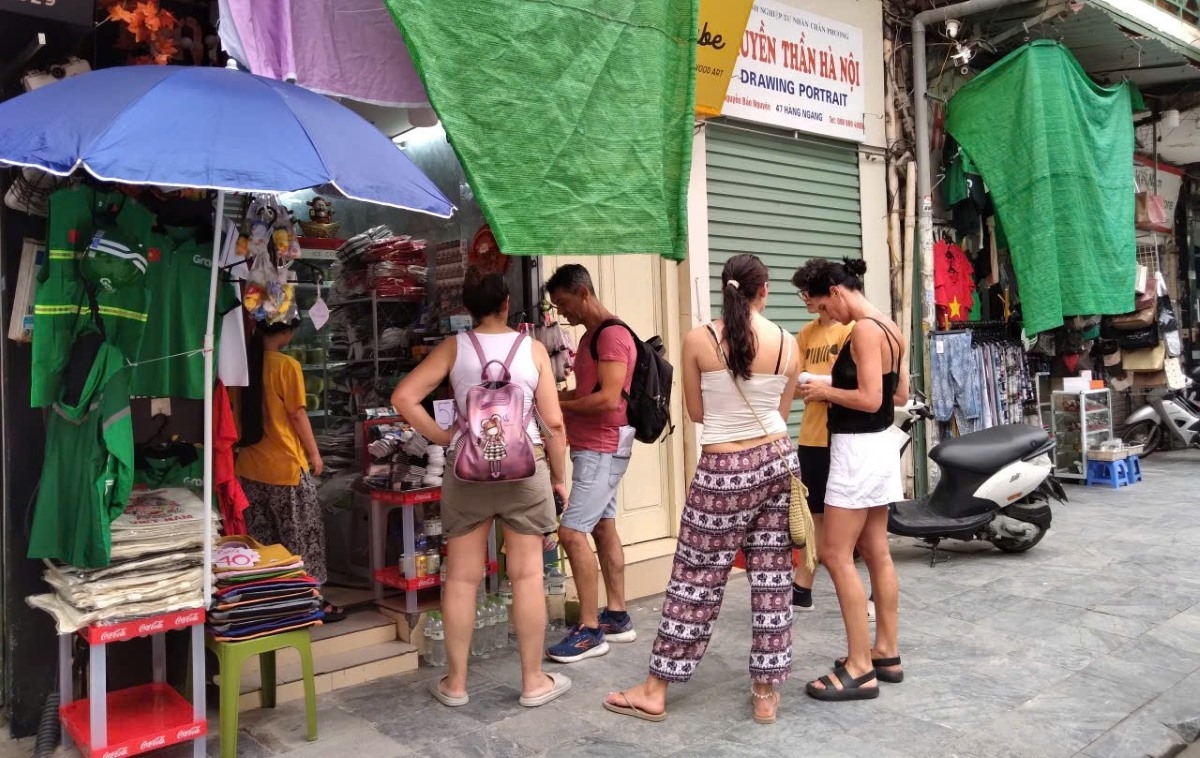
Today, it’s increasingly common to see foreign tourists using banking applications from their home countries to scan QR codes and make payments within seconds, whether at small shops in Hanoi’s Old Quarter or for transportation and accommodations.
According to the e-Conomy SEA 2025 report, the total value of online tourism transactions in Vietnam was an estimated 4 billion USD, up 16% from the previous year, reflecting a clear shift from traditional transactions to digital platforms. Data from payment intermediary Payoo shows that cashless spending by international visitors in Vietnam grew by an average of 10% per month in the final months of 2025.
Nguyen Dang Hung, Deputy Chief Executive Officer of the Vietnam National Payment Corporation (NAPAS), said traditional payment methods had long been an obstacle for foreign travelers. The ability to pay directly from bank accounts or e-wallets has made travel in Vietnam more convenient and encouraged tourists to spend more.
“In many countries, customers use mobile banking apps and e-wallets to pay for daily expenses. When they come to Vietnam, they follow exactly the same process by scanning QR codes. The experience is almost seamless, with virtually no difference between making payments at home and doing so in Vietnam,” according to Hung.
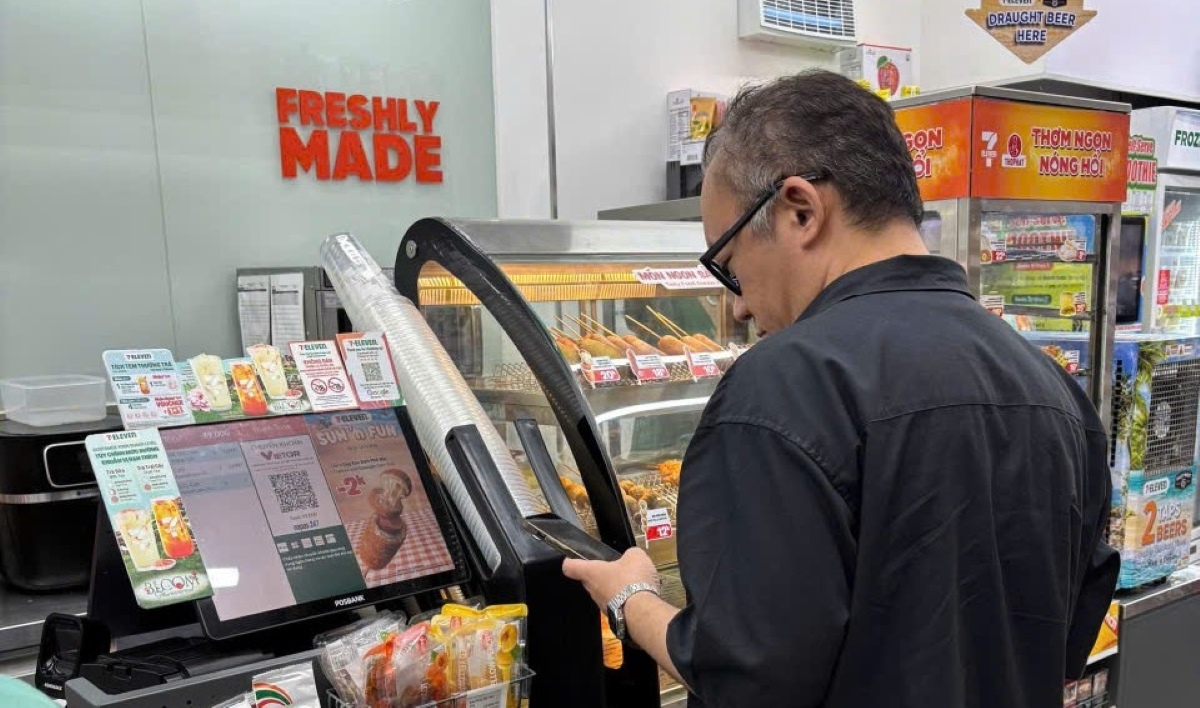
Beyond convenience, cashless payments also increase transparency. Prices are clearly displayed and transaction records are automatically stored, helping strengthen visitors’ trust in local services. The trend is prompting tourism businesses to adapt by introducing QR-code payments for tours and ancillary services, and training staff to guide customers through cross-border payment platforms.
Nguyen Tam An, owner of a hotel chain and tour office, said, “Accepting multiple payment options makes international guests feel more comfortable and secure when booking rooms and tours. It allows us to reach a broader customer base. In addition to over-the-counter payments, we use 9Pay’s payment-link solution to send customers a payment link. Guests who book through email or social media only need to open the link and pay by card or other online methods directly on their phones. It is fast and convenient.”
In the digital age, tourism competitiveness is being affected by how effectively destinations manage cash flows, data, and the customer journey within a seamless ecosystem. For Vietnam, the QR code is becoming an integral part of Vietnam’s vision of smart, modern tourism.