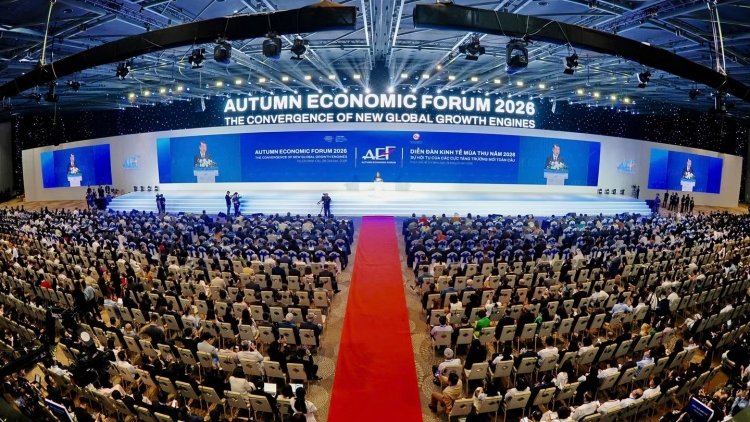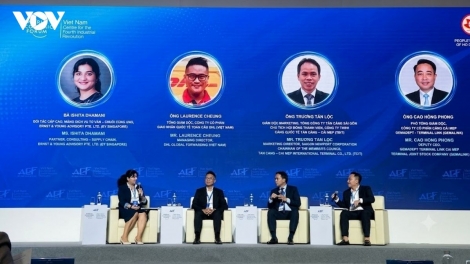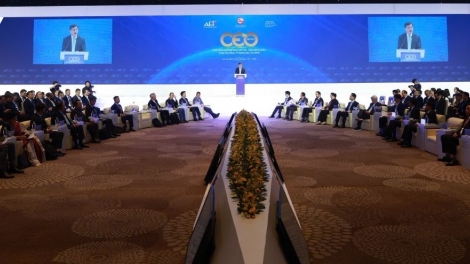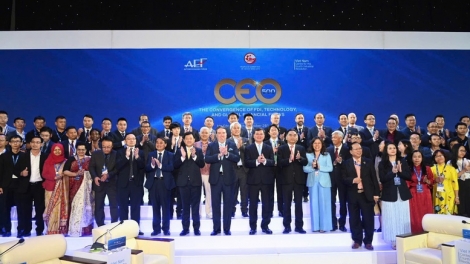



Ho Chi Minh City has strong potential to strengthen economic linkages, attract foreign direct investment, and draw logistics and financial flows through technological innovation. That, in turn, would create greater access to capital, knowledge, and international cooperation.
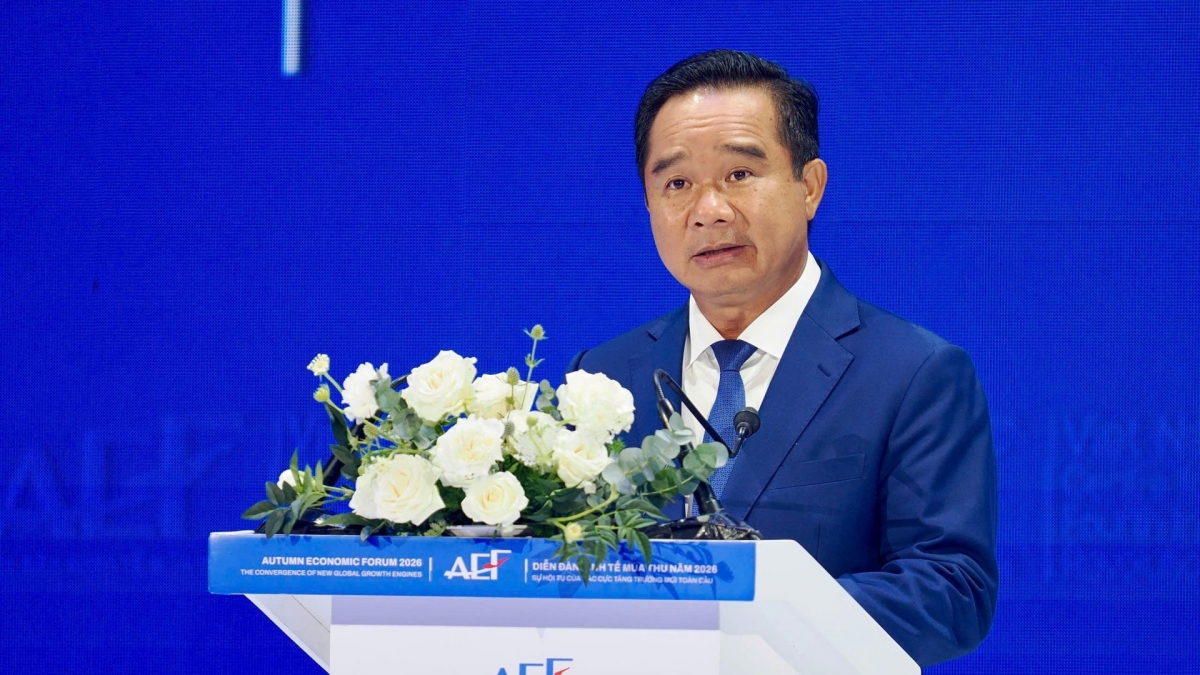
According to Nguyen Van Duoc, Chairman of the Ho Chi Minh City People’s Committee, the city is developing new growth platforms, including an international financial center, a free trade zone, a science, technology, and innovation ecosystem, digital transformation, and high-quality human resources. It is also investing in strategic infrastructure, logistics, seaports, and urban transportation to facilitate international financial flows and strengthen its role as a regional and global connector.
"If 'convergence' is a global trend, it is also becoming a requirement for Ho Chi Minh City as a new development space. The city has a broader development horizon, with increasingly close links between urban areas, industry, seaports, logistics, trade, services, finance, science, technology, and innovation. At the same time, it’s expanding its connections with Vietnam’s Southeast region, the nation, Southeast Asia, and global economic networks," said Duoc.
Stephan Mergenthaler, Managing Director of the World Economic Forum, said Ho Chi Minh City has the potential to connect ideas, capital, and markets. It can serve as a place where innovation ecosystems flourish, businesses and entrepreneurs forge closer partnerships, and global opportunities translate into local economic activity.
The city's dynamic business environment, industrial capacity, and global outlook provide a strong foundation for bringing together Vietnamese enterprises, international investors, and technology partners.
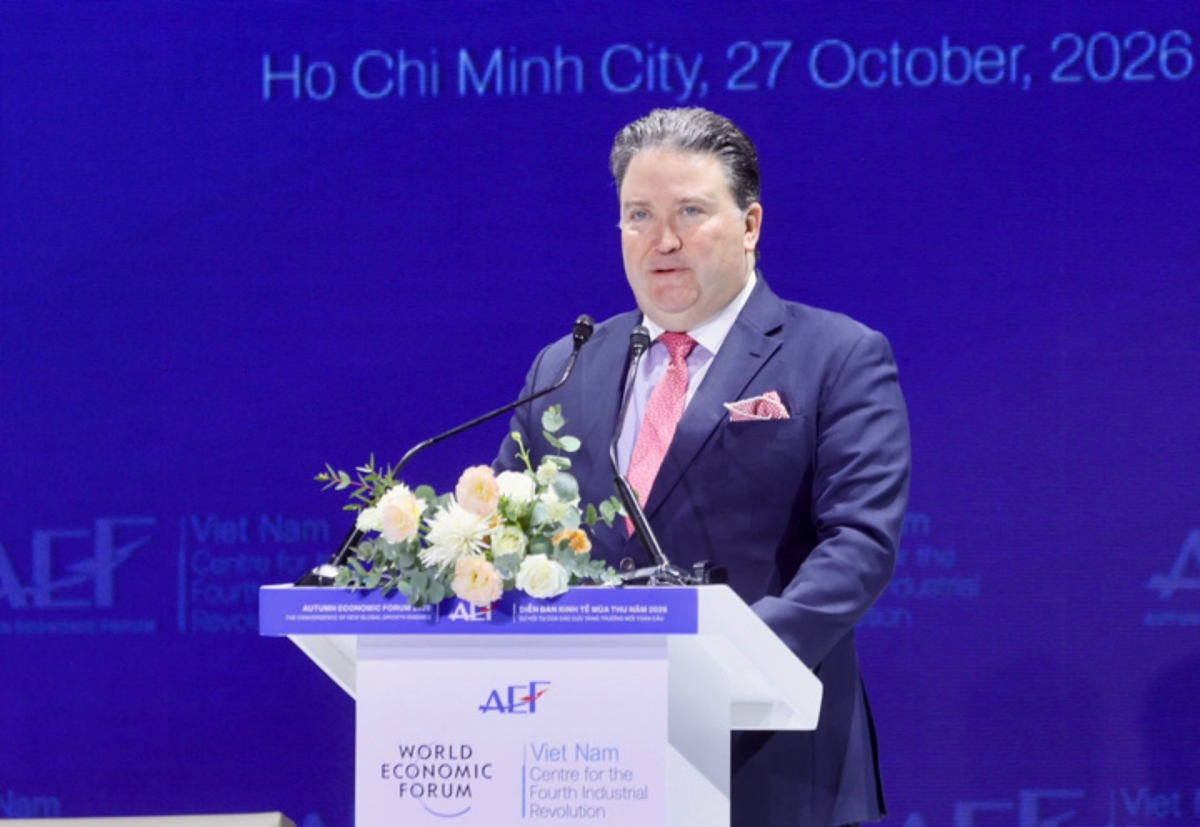
Marc Knapper, Chairman of Knapper Global Advisors and an advisor to the Vietnam International Financial Center in Ho Chi Minh City (VIFC-HCMC), said global investors are no longer debating whether to invest in Vietnam, but are increasingly looking for the fastest, most effective ways to deploy their capital.
International investment is flowing into manufacturing, semiconductors, clean energy, and infrastructure, and interest in the Vietnam International Financial Center is also growing, creating an opportunity for Ho Chi Minh City to strengthen its position as a leading investment destination.
“Global institutions that come here will be pioneers and each one will signal to many others that Vietnam is ready. So I'll close by noting that every great financial center begins as an act of confidence a city making the decision that it wants and can play a greater role in the world. Ho Chi Minh City and Vietnam have made that decision. The legal foundation has been built with remarkable speed. The next chapter is who decides to come through the door,” said Marc Knapper.
Ho Chi Minh City has identified 3 priorities to attract global resources: institutional reform, improving human resource quality, and expanding international cooperation. The city will focus on developing breakthrough mechanisms and policies for science, technology, and innovation and accelerating workforce training, skills development, and mastering of new technologies.
It will also seek to attract investment in high-tech industries, research and development, education, and healthcare; promote public-private partnerships; and strengthen links with international innovation networks. Those efforts will be aimed at building a globally connected, smart, sustainable metropolis, according to Mr. Duoc.
“Ho Chi Minh City aims to promote substantive cooperation, with financial institutions, international investors, and major enterprises taking the lead and actively participating. The goal is to connect capital with strategic economic growth drivers, from smart manufacturing and the green transition to the digital economy,” Duoc added.
In a new era of development, international cooperation is becoming essential to unlocking new growth drivers and achieving breakthroughs.