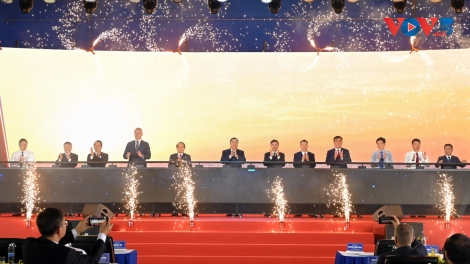




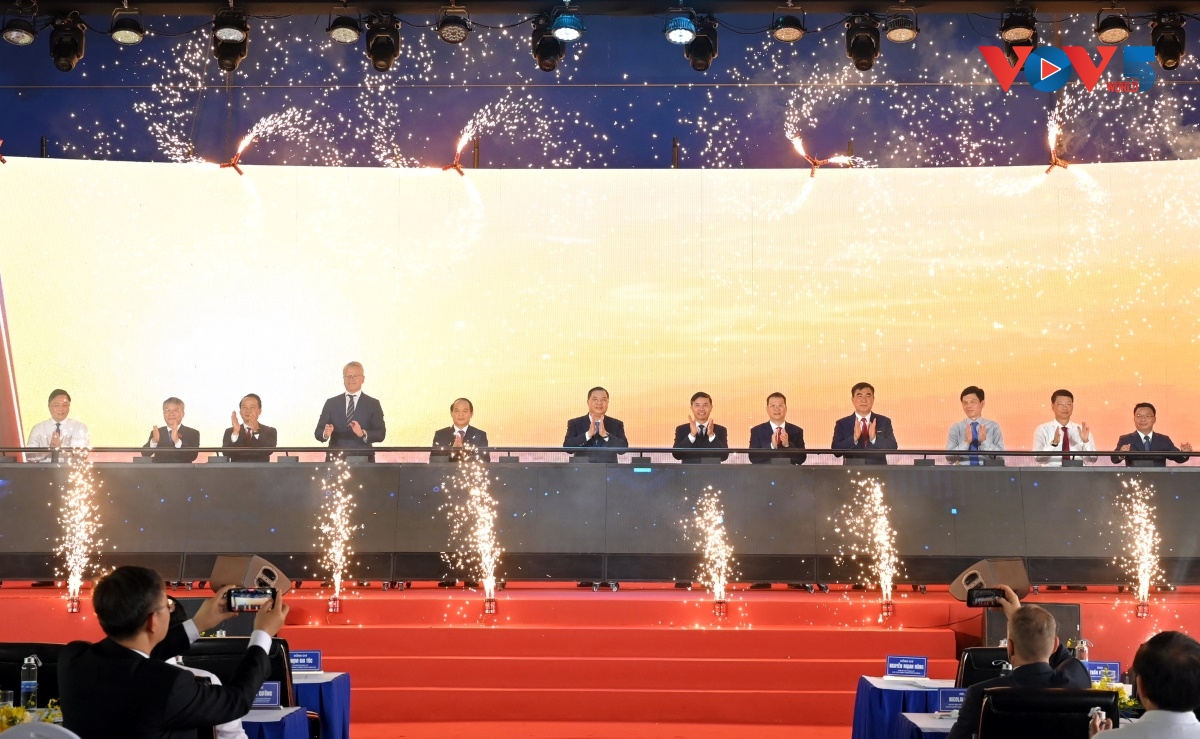
The Lien Chieu Port designed as a network of terminals, storage facilities, and distribution centers will be constructed for more than 10 years. It will be developed as a “green and smart port,” where technological and digital solutions are applied to support emission reduction and environmental protection goals. The first phase project is expected to be put into operation in 2029. Its capacity will be 74 million tons of cargo per year and be able to receive some of the world’s largest container vessels.
Dinh Hai Tuan, Chairman of the Da Nang Automobile Transport Association, said: “Lien Chieu Port, once operational, will form a new logistics ecosystem of container yards and specialized logistics service. This will serve as a driving force for the development of green and digitalized transport.”
The Lien Chieu container port project is being implemented by a consortium of investors including Hateco Group Joint Stock Company, Hateco Seaport Company Limited, and APM Terminals B.V of the Netherlands.
Chairman of Hateco Tran Van Ky said: “For a such a large project as Lien Chieu Port, the requirement is not only investment efficiency but also strict discipline, construction quality, and long-term contributions to the city’s socio-economic development. We are committed to ensure project progress, planning, and overall quality and efficiency.”
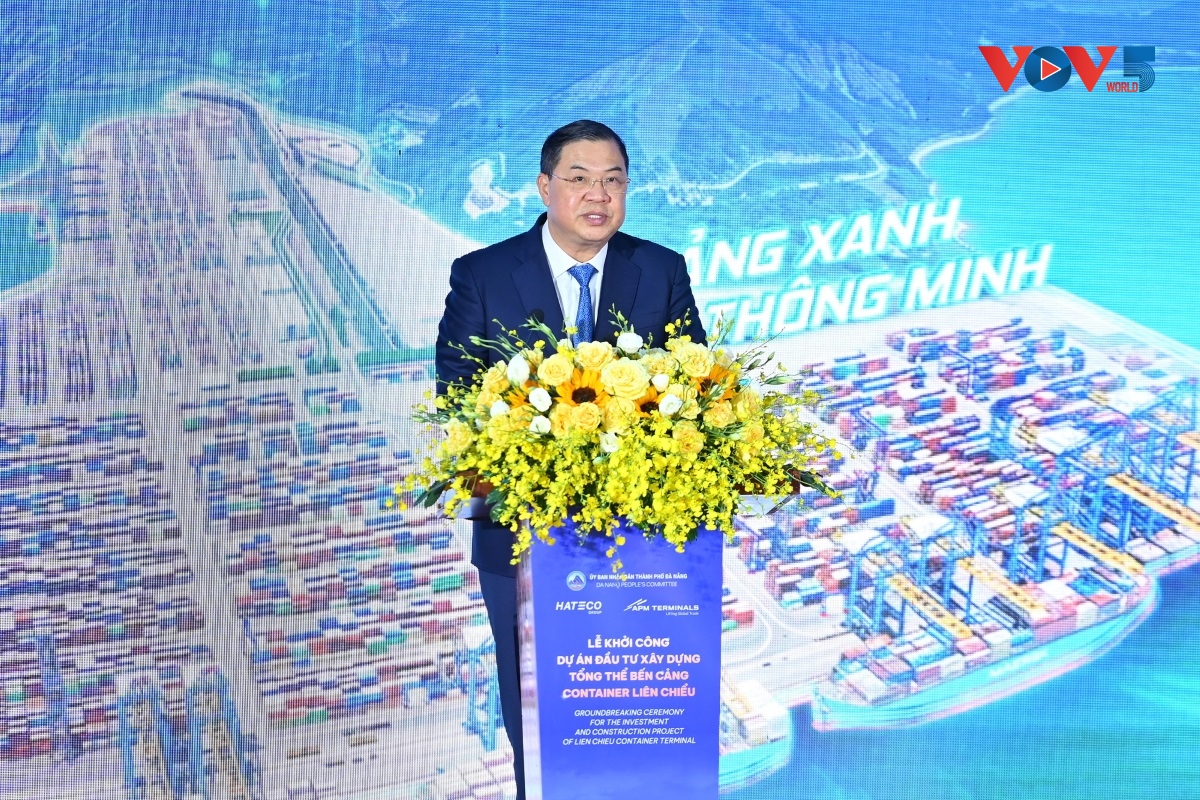
Expected to be among the most modern ports in Vietnam, the Lien Chieu international container port will be part of an ecosystem, including a financial center, industrial parks, export processing zones, and a free trade area with tax and customs incentives.
It will expand connections with global markets and strongly attract international investment flows, according to Deputy Prime Minister Pham Gia Tuc: “The Lien Chieu container port will be a strategic link in national and global supply chains. It will help Da Nang become a prosperous city, contribute, significantly to the country’s overall growth, and position Vietnam in international transport networks.”
For years, the central region’s port system has relied mainly on Tien Sa Port, which, despite its historically favorable location, has revealed structural impediments such as limited space, a constrained capacity to accommodate large vessels, and growing conflicts between logistics activities and urban and tourism development. So, Lien Chieu represents a restructuring solution, which will establish a new seaport model integrating a deep-water port and logistics center.
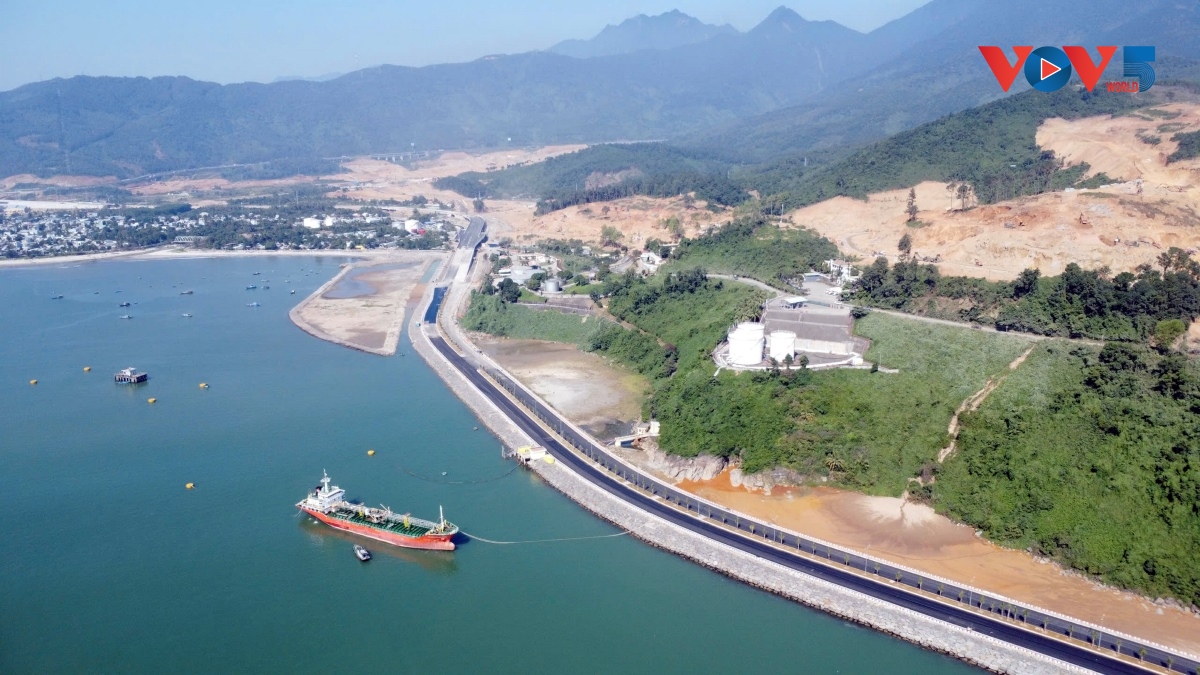
Lien Chieu Port lies in a geo-strategic location at the eastern gateway of the East–West Economic Corridor. It will directly connect Vietnam with Laos, Thailand, and further to Myanmar, thereby becoming a “gateway to the sea” for landlocked economies in the region. The port’s proximity to international maritime routes in the East Sea gives it opportunities for participation in international transshipment networks.
A deep-water port capable of accommodating large vessels and offering direct shipping routes will help Vietnam reduce dependence on foreign transshipment, increase autonomy in cargo routing, and elevate its current position to a regional and global logistics hub.