



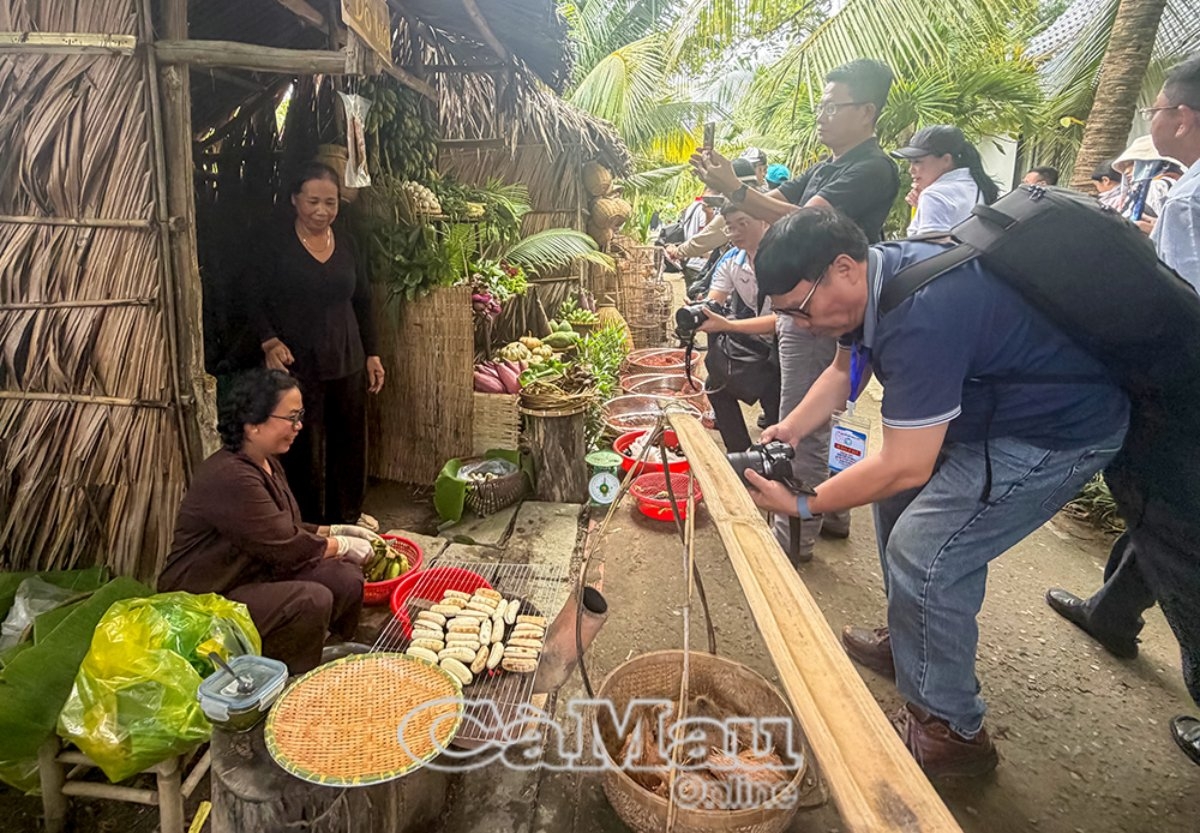
Rustic singing echoes through the U Minh Ha cajuput forest as tourists take part in a tour called "Green Cape Land Day–Legendary U Minh Night", offering a glimpse into the hospitable spirit of Ca Mau, Vietnam’s southernmost province, and its people.
During the 2-day trip, visitors experience trellis beekeeping, freshwater fishing, southern forest cuisine, and the witty tales of Uncle Ba Phi, a legendary real-life folk storyteller and iconic cultural figure from the Mekong Delta.
At the end of the journey, tourists were fascinated by what Ca Mau tourism had to offer:
"I found this tour organized very thoughtfully and professionally, with seamless links between destinations."
"Riding a boat through the cajuput forest, I found the scenery very beautiful. The food was delicious, and the people of Ca Mau were warm and friendly."
"On this tour, I got to spot wildlife at night in U Minh Ha National Park. That activity really stands out as a new attraction in Ca Mau's freshwater ecosystem. On the 'Legendary U Minh Night' tour, guests visits several sites during the day and, after dark, observe nocturnal animals, explore the unique ecosystem of the southern wetlands, and experience the local lifestyle in U Minh."
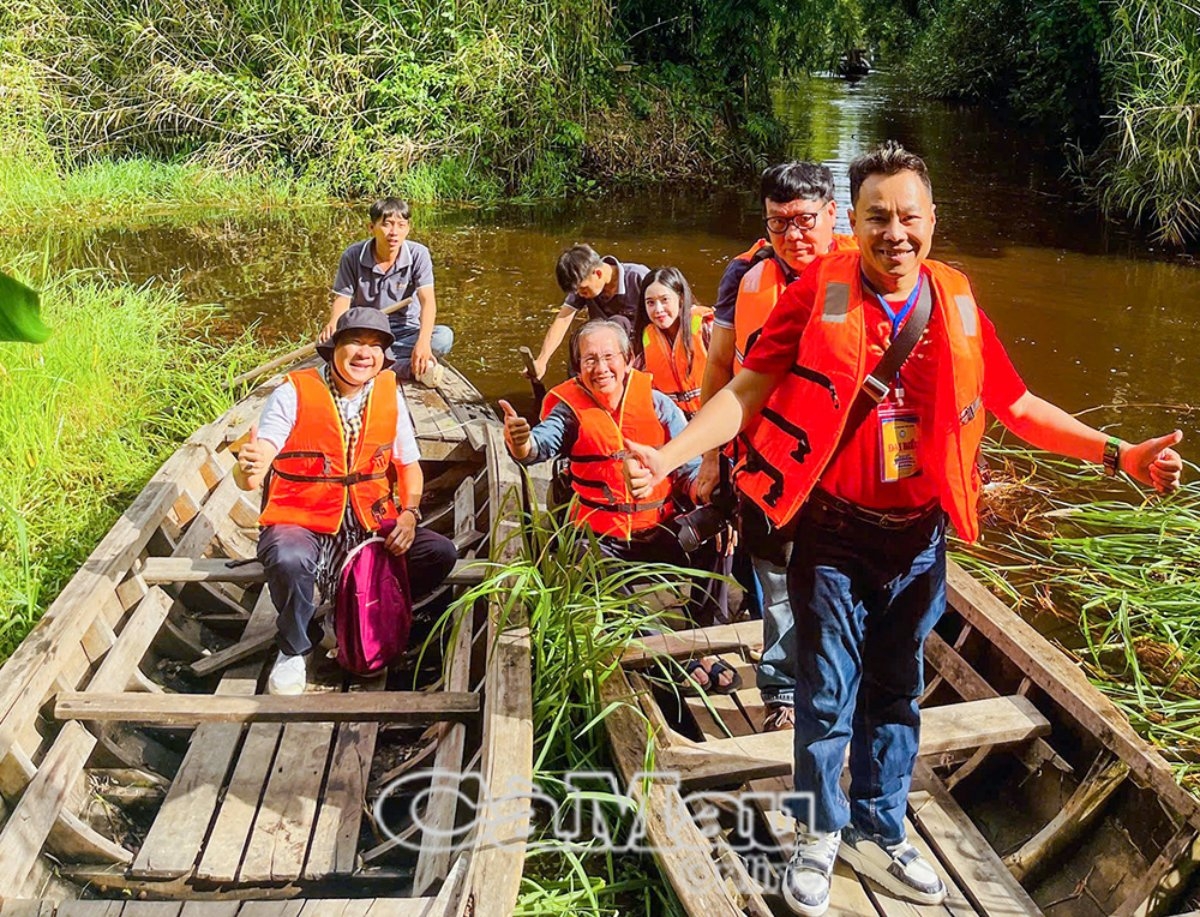
The "Green Cape Land Day–Legendary U Minh Night" tour is one of several initiatives launched by Ca Mau and other Mekong Delta localities to stimulate tourism. During this year's National Day holiday on September 2, the region's tourism sector recorded strong growth compared with the same period last year.
An Giang led the region with 580,000 visitors, followed by Can Tho with 353,000 and Ca Mau with 210,000. Vinh Long and Dong Thap also recorded high growth rates, which is the result of diversifying tourism offerings that go beyond showing off the natural scenery to creating a more experiential tour.
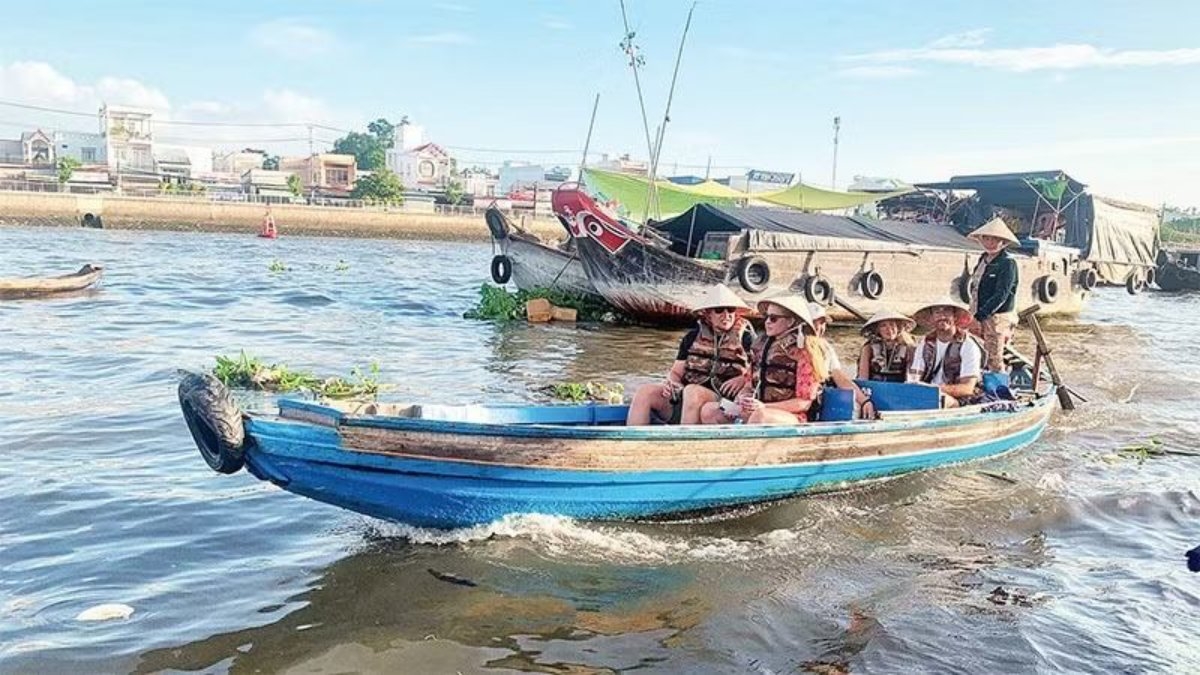
In Can Tho, the Cai Rang Floating Market has been combined with culinary, cultural, and sports festivals to encourage visitors to stay longer. Dong Thap has pioneered a new tourism approach, capitalizing on the floating season to develop more community-based tourism models.
Nguyen Thi Kim Yen, Deputy Chairwoman of the Hong Ngu ward People's Committee, said, "Because domestic and foreign tourists are eager to return to our waterways to experience the floating season and the countryside along the border, we’re incorporating that into our urban planning to turn Hong Ngu into a tourist destination built on riverine culture and local heritage. By connecting with the border zone, we hope to develop green tourism that’s sustainable in the long term."
Vinh Long is also reinventing its tourism offerings with craft village tours, red-pottery brick kiln routes, and island cycling experiences. A new Mekong River cruise route connects tourists coming from Cambodia or Ho Chi Minh City directly to Vinh Long.
Nguyen Thi Ngoc Dung, Deputy Director of the provincial Department of Culture, Sports and Tourism, said, "Vinh Long tourism's slogan is 'Safe, Friendly, Quality Destination'. We’re optimizing river tourism while preserving the environment and landscape and promoting the friendliness and community culture of Vinh Long's people."
To meet changing visitor demand, tourism businesses are promoting short, experience-driven tours tailored to domestic travelers looking for destinations that are close, convenient, and high-quality. These offerings are making the Mekong Delta a more attractive choice for a wider range of travelers.
Tran Huu Hiep, Deputy Chairman of the Mekong Delta Tourism Association, said what’s noteworthy isn't just the growth figures, but the positive shift in the mindset and approach to tourism. “We’re moving from simply exploiting existing resources to designing experiences and creating cultural and sports events,” said Hiep, adding, “Many travel and accommodation businesses have introduced promotional packages that are making overnight stays grow faster than day visits. Tourists are staying longer and spending more, rather than simply stopping by and moving on."
Mekong Delta localities see recent holiday gains as only a starting point. They continue to address bottlenecks in infrastructure, tourism products, and regional branding, and are focused on sustainable, year-round tourism, hoping to transform the region from a stopover into a destination in its own right.