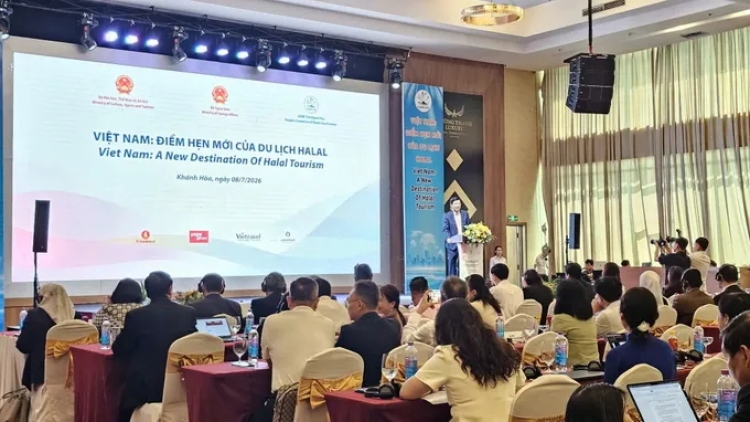




Vietnamese enterprises are seeking opportunities in international markets through specialized trade fairs, which connect domestic producers with global distributors and business partners.
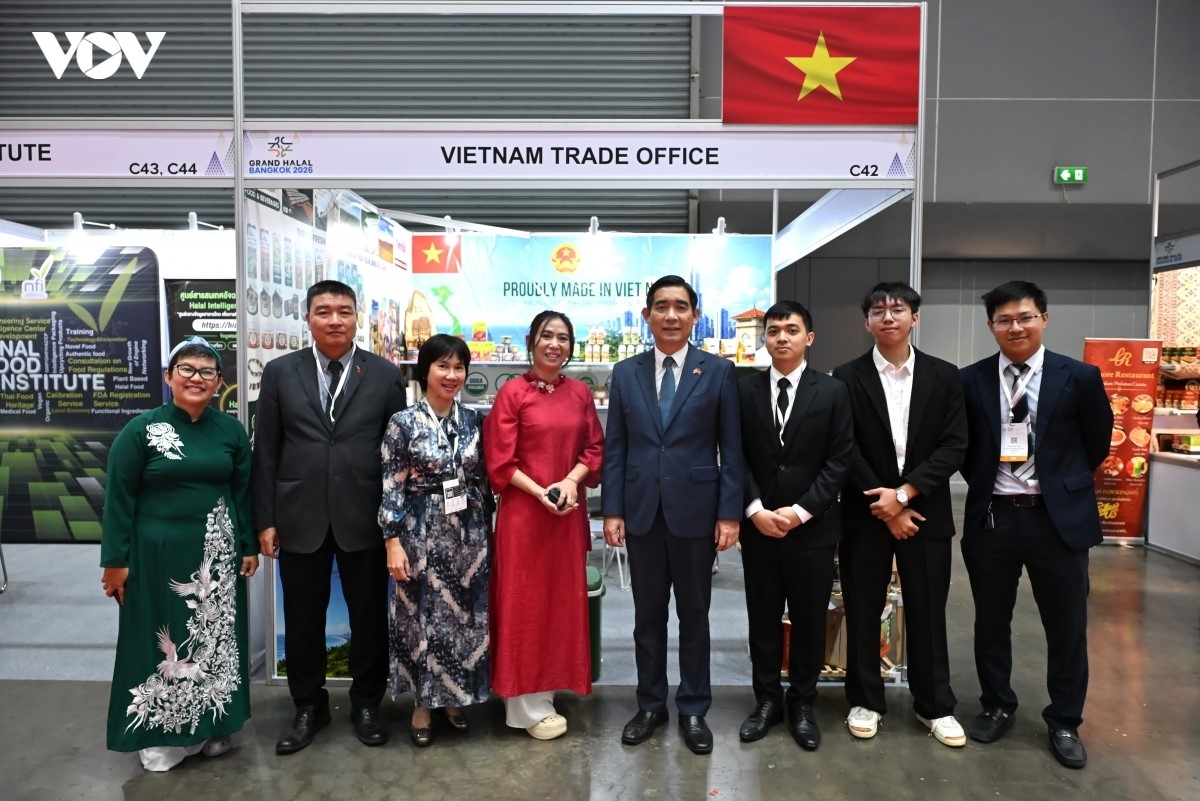
A prime example is Grand Halal Bangkok 2026, an international halal business exhibition recently held in Thailand. Themed “Gateway to the Global Halal Economy”, the event brought together hundreds of international brands in food, cosmetics, fashion, and AI-powered solutions for supply-chain traceability.
Bui Thi Thu Ngan, a representative of the DannyGreen Organic Agriculture Company, said, "The key point of difference and greatest strength our business relies on is our source of raw materials. In Vietnam, we have access to fresh ingredients. In addition, our production process follows Halal standards, backed by strict inspections of input materials."
Insisting that Vietnamese halal products are ready to become reliable partners in global supply chains, Ly Kim Chi, President of the Ho Chi Minh City Food and Foodstuff Association, said Vietnamese enterprises have been thoroughly preparing their standards, certification processes, and market-access strategies:
"It’s not difficult for Vietnamese businesses to produce goods for the Halal market. But to ensure products meet requirements, enterprises must comply with every Halal standard and regulation required. From the outset, they must ensure their factories are capable of producing Halal-compliant products for this market," Chi added.
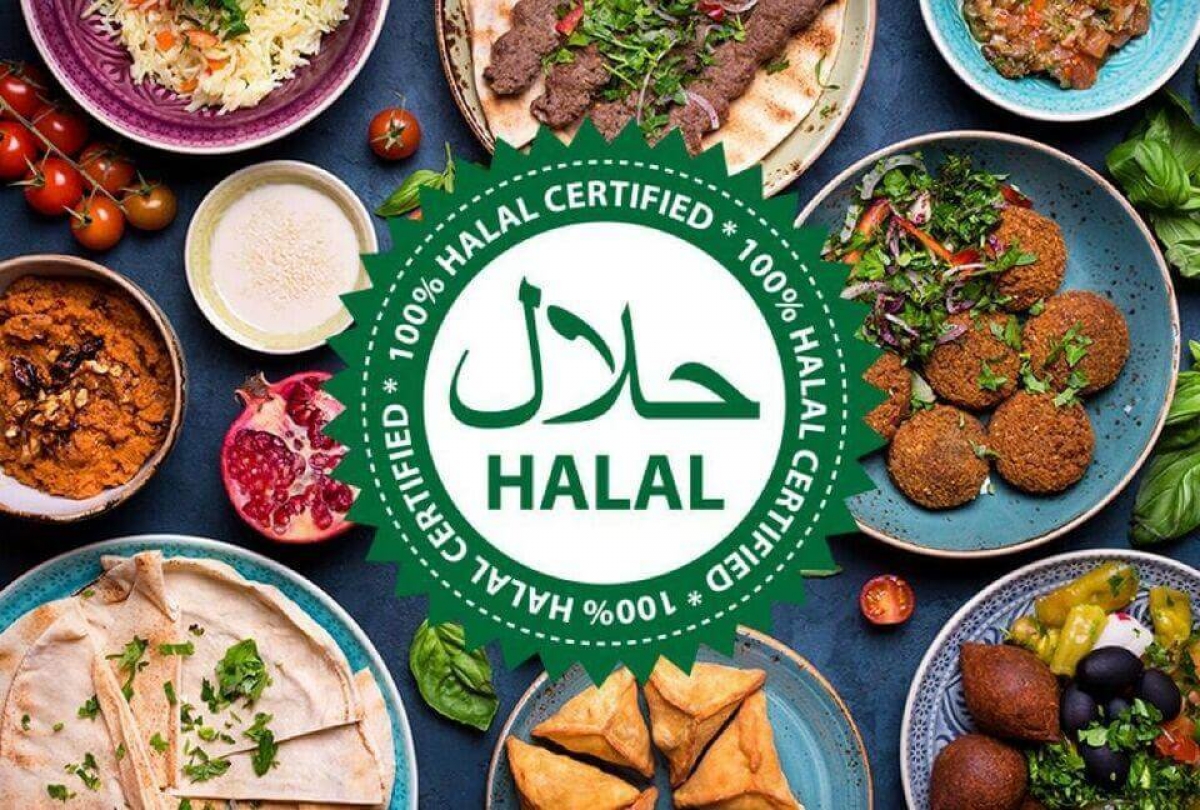
The global halal market is currently valued at around 5 trillion USD and is projected to reach 10 trillion USD by 2028. But to expand in this market, businesses need to do more than meet compliance standards. They must deliver products with differentiated, sustainable value.
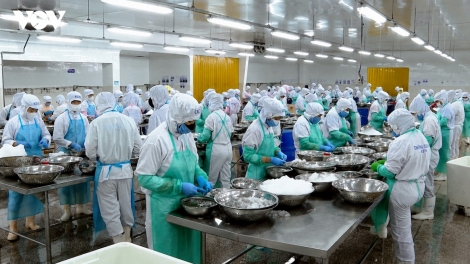
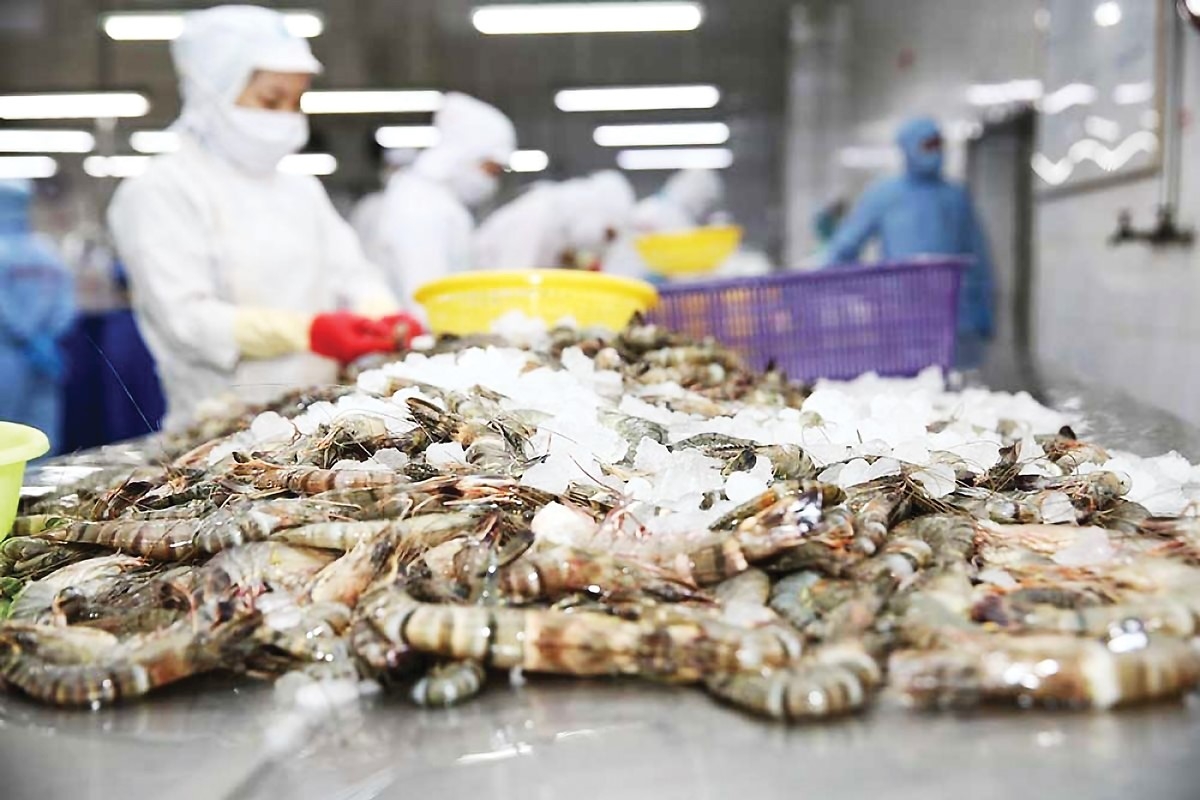
In the first half of this year, Vietnam earned 5.76 billion USD from seafood exports, up 12.7%. It’s the result of businesses’ efforts to improve product quality, upgrade processing technologies, and shift from competing on price to competing on value.
Glen Illing, an expert in sustainable agriculture and aquaculture, said, "International buyers are looking for quality. They're looking for differentiation and they're looking for good prices. They have to push value up rather than just go for commodity pricing. The beauty of Vietnam is it's quite innovative in its processing."
Generating greater value and competitiveness can’t be achieved by businesses acting alone. They need to leverage their cooperation with global partners to gain access to technology, capital, and modern management expertise.
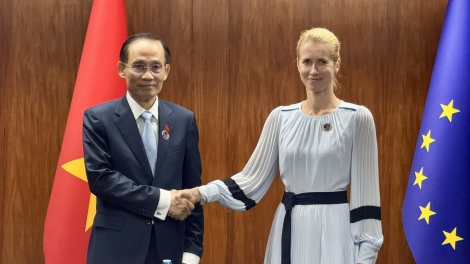
International cooperation is evolving toward more balanced partnerships involving joint investment, technology sharing, and sustainable development goals. Erlend Skutlaberg, Chargé d’Affaires and First Secretary of the Norwegian Embassy in Vietnam, said, "Fishery, aquaculture, and sustainable ocean economy have been pillars in the corporation for decades. So, you know, now we're moving from a traditional cooperation partnership to be more equal partners and work along the line of technology sharing, technology cooperation, investment, and sustainability."
From seafood, agriculture, and food processing to manufacturing and services, a growing number of Vietnamese brands are establishing their presence in foreign markets. VinFast and Green SM continue to expand in Southeast Asia, and Pizza 4P’s and Maison Marou are steadily establishing footholds in big cities. Brands like Biti’s, Masan, and Coolmate are positioning themselves for their next steps on the global stage as Vietnamese brands become more deeply embedded in global value chains.